

Lesson 1225: Treatment Methods for Cyclic Mood Disorder
Duration:75 minutes
Topic Introduction:This course will introduce the treatment options for cyclothymic disorder, including medication, psychotherapy, and lifestyle adjustments. Participants will learn how to effectively manage cyclothymic disorder by combining different treatment options and master techniques for improving mood swings.
○ Treatment of cyclothymic disorder
- Drug treatment:Mood-stabilizing drugs such as lithium, antidepressants, and antimanic drugs are used to help people stabilize their mood swings.
- Psychotherapy:Cognitive behavioral therapy (CBT) and psychodynamic therapy can help patients identify and manage negative emotions and develop healthy coping mechanisms.
- Lifestyle adjustments:Maintaining a regular schedule, a balanced diet, moderate exercise, and establishing a good social support system are important means of managing cyclothymic disorder.
▲ AI Interaction: How to choose the appropriate treatment method
The goal of therapy is to help you learn to manage and live with your mood swings, not to eliminate them.
Please write down three approaches you have tried or would like to try, such as psychotherapy, medication, or lifestyle adjustments.
Throughout your day, record a small act of caregiving you complete, such as getting regular sleep or taking a short walk.
Make a list of three people or resources who support you and whom you can lean on when you're feeling down.
Conclusion: Treatment is a process, not an end. Please write a sentence of encouragement for your persistence today.
Click the button below to discuss with AI how to choose the right treatment plan for patients with cyclothymic disorder and learn how to improve treatment outcomes through lifestyle adjustments.
○ Treatment methods for cyclothymic disorder · Music therapy
Therapy is like finding a steadier metronome for a piece of music, which gradually allows the melody to become smoother.
Please play a piece of music with a regular rhythm and write down three methods you have tried or would like to try.
With the melody playing, record one small act of self-care you completed today.
Include people or resources around you in the score to support the ensemble.
Finally, write down a few words of encouragement for yourself, and let music become a testimony of your long-term companionship.
🍵 Lapsang Souchong
Recommended reasons:Lapsang Souchong, a traditional black tea from Wuyi Mountain, is renowned for its distinctive smoky aroma. Its tea is bright red and rich, with a subtle wood smoke aroma. Rich in antioxidants, Lapsang Souchong can help detoxify the body, improve digestion, and relieve stress and anxiety.
usage:Take 1 teaspoon of Lapsang Souchong tea and steep it in 90°C hot water for 4-5 minutes. Add a small amount of sugar or milk to taste. This is a great morning drink to boost energy and improve mood.
○ Aconite and Cinnamon Porridge
Focused on warming the yang and dispelling cold, this product invigorates the spirit, helping to alleviate chills, fatigue, and cold hands and feet, providing a steady sense of warmth and boosting endurance. Ideal for seasonal changes and those experiencing coldness from prolonged sitting, this small daily supplement can help stabilize mood and focus.
Healing Recipes
/home2/lzxwhemy/public_html/arttao_org/wp-content/uploads/cookbook/fu-zi-rou-gui-zhou.html(Please confirm that the file fu-zi-rou-gui-zhou.html has been uploaded)🎨 Psychological Mandala
Psychological Healing: Psychological Mandala Imagery 17
Your inner critic is always whispering in your ear, "Not enough," "Try harder," never stopping. It's like an overly sharp boundary, blocking out all affirmation. Try adding a softer layer of strength to that boundary, telling yourself: You've already worked hard enough; even today's effort deserves recognition.
Beyond self-discipline, a layer of self-compassion is also needed. Please gaze at this image three times.
○ Chinese calligraphy – Running script
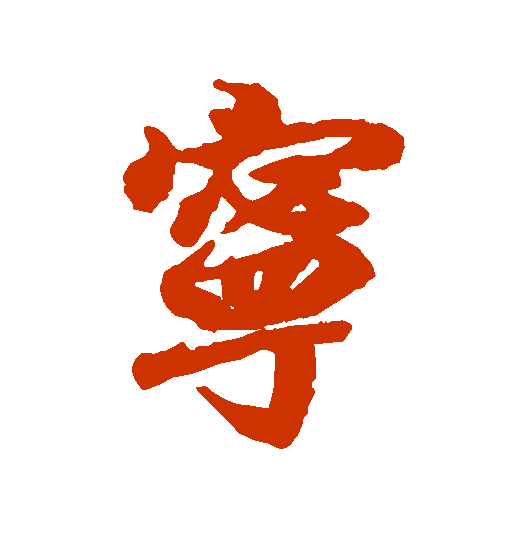
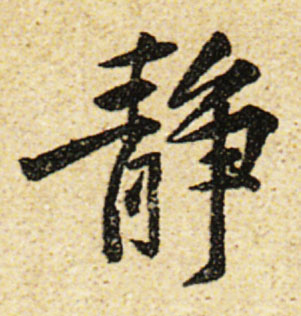
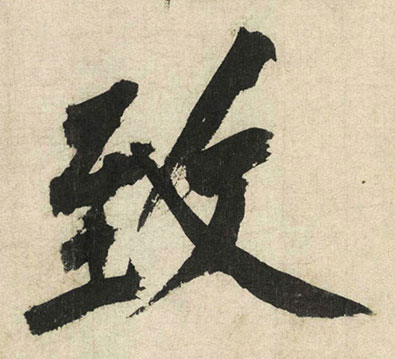
Running script lies somewhere between regular script and cursive script, boasting a fluid and dynamic structure, with continuous yet measured strokes. Its natural and unrestrained strokes, alternating between fast and slow, convey the writer's emotions and are well-suited for expressing inner thoughts. Practicing running script cultivates an inner sense of rhythm and emotional balance, helping the writer find peace of mind amidst the fluidity of the brushstrokes.
- Written words:
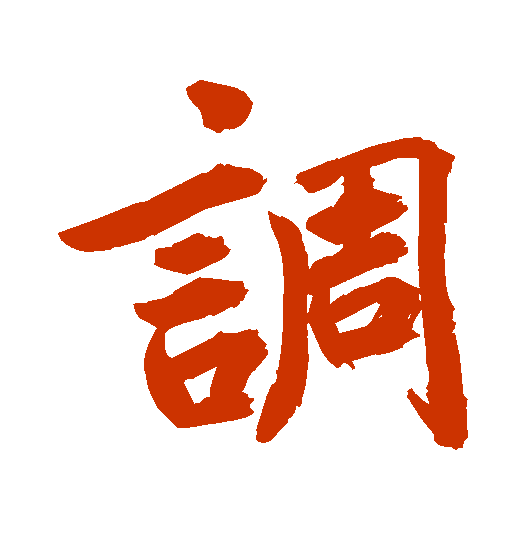
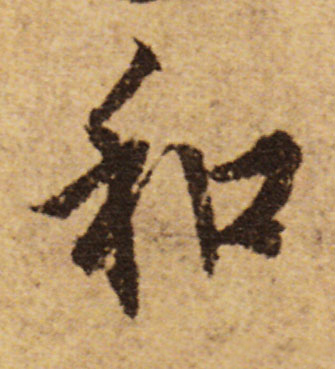
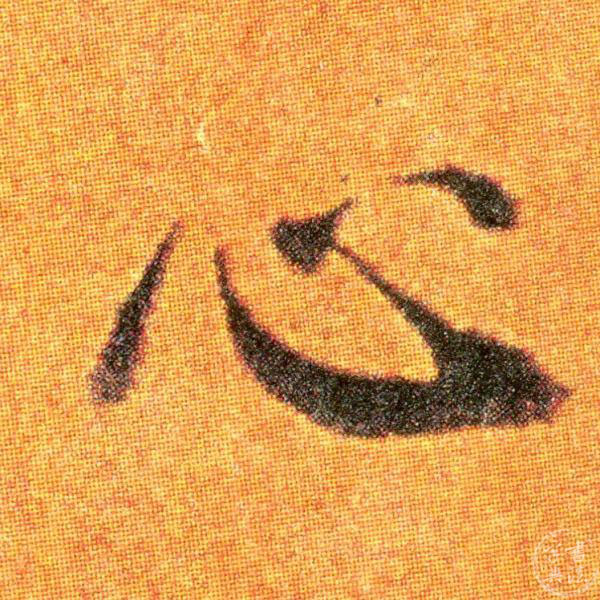
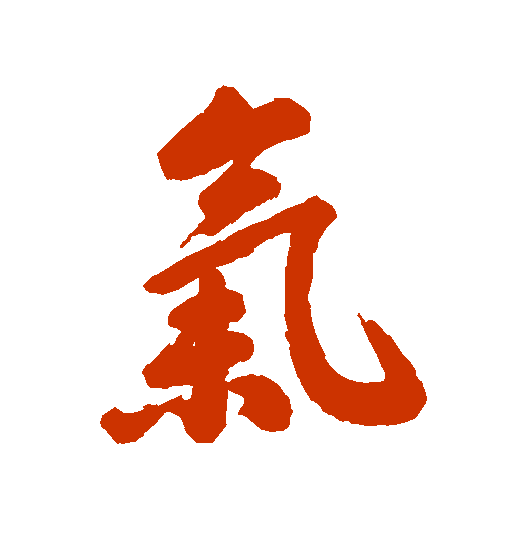
- Harmonize your mind and stay calm
- Harmonize the Mind and Breath, Achieve Lasting Inner Calm
- Writing Tips:
- During treatment, cursive script can assist with emotional balance training. When writing the phrase "Harmonize the Heart and Qi, Serenity Leads to Far-Reaching Pursuit," the rhythm of the brushstrokes should be slow and steady, guiding the mind toward lasting peace and resilience through the brushstrokes.

○ Treatment methods for cyclothymic disorder: Suggestions for guidance on painting therapy
This course transforms the primary treatment for cyclothymic disorder into an intuitive visual practice through the use of drawing therapy.Medical treatment, psychological intervention, and self-careThe combination of these three aspects allows students to build an understanding of the treatment pathway and confidence in self-management through drawing.
1. Therapeutic Triangle
- Draw a triangle and write the following on each side: medication management (follow doctor's orders), psychotherapy (cognitive/supportive), and self-care (regular work and rest schedule).
- Write "Stability and Balance" in the center of the triangle.
- Use color to mark the point you are most committed to.
2. Daily Circadian Clock
- Draw a 24-hour circle and mark the times for waking up, sleeping, eating, activities, and resting.
- Color in the completed time periods to create a "sense of rhythmic stability."
- Write the reminder in the center of the circle: "Regulation = Protection".
3. Support Resource Network Diagram
- Draw a core circle with "I" and expand outward to three layers: family/friends, peer support, and professionals.
- Write down the specific objects or organizations that you can rely on at each layer.
- Write the reminder next to the picture: "Support is part of treatment."
Friendly reminder: Treatment for cyclothymic disorder requires long-term persistence and a multifaceted approach. Art therapy can aid self-reflection and reminders, but it cannot replace medical or psychotherapy. If symptoms become frequent or disruptive, please seek professional help promptly.
Please log in before submitting your drawings and feelings.
○ 1225. Treatment methods for cyclothymic mood disorder: journaling guidance suggestions
① Treatment Path: Record three methods you have tried or want to try (drugs/psychology/life).
② Daily support: Write down the two support resources you rely on most.
③ Adjust your work and rest schedule: Record whether you have regular sleep and fixed rest periods today.
④ Self-care: Write down one small thing you accomplished today, even if it’s just drinking a glass of water.
⑤ Risk plan: When symptoms worsen, you have prepared safe contacts and medical treatment routes.
⑥ Conclusion: Treatment is a long-term companionship. Please write down your persistence today in your diary.
Please log in to use.
By studying this course, you will be able to better understand the treatment methods for cyclothymic disorder and learn how to regulate emotions through Eastern healing methods such as tea drinking, diet therapy, and calligraphy, helping yourself and others to better manage emotional fluctuations.
 EN
EN  ZH
ZH  ES
ES  FR
FR  JA
JA