

Lesson 1208: Weakening Techniques for Deep Rumination and Self-Criticism
Duration:75 minutes
Topic Introduction (Overview):
Deep rumination and excessive self-criticism are two of the most common and psychologically draining difficulties during the depressive phase of bipolar II disorder. Deep rumination causes the brain to repeatedly focus on the same painful point, leading to increasingly deeper and worse thoughts. Self-criticism, on the other hand, acts like another internal knife, cutting into every small detail to amplify feelings of failure, worthlessness, and self-denial. This lesson aims to help you understand that rumination is not thinking, but rather "being trapped in thought"; self-criticism is not driving progress, but rather "attaching blame to yourself." These thought processes are stubborn not because of weak willpower, but because of a combination of factors, including circadian rhythm imbalance, overactivity of brain networks, and sleep and stress triggers.
This course will combine the homeostatic and invigorating effects of black tea, the warming and nourishing energy of Chinese congee, the structured writing training of Roman script, and the stress-reducing rhythm of visual mantras to provide multi-layered attenuation techniques. The goal is not to immediately stop rumination, but to gradually reduce its intensity and frequency, allowing you to regain inner space and restore a clear, realistic, and gentle self-understanding.
▲ AI Interaction: Identifying the Ingress and Exgress of the Rumination Cycle
Deep rumination often has a fixed entry point and a possible exit point, but you just can't see it for the time being.
- ① What is the first trigger for rumination? (Emotion/Scene/A sentence/Physical sensation)
- ② Where does it usually lead you? (Self-blame/Comparison/Expectations of failure...)
- ③ What was the moment in your past when you successfully stopped ruminating? (Distraction? Rest? Being interrupted?)
- ④ Now write down an "exit sentence", for example:
“"I can think about it later, let's pause for now."”
Click below to break down your ruminant structure with AI.
○ Deep Reflection: Relaxation Method Based on Musical Rhythms
Choose a piece of music with a stable rhythm and a simple melody.
Focus your attention on the repetitive beats of the music, rather than on your own repetitive thoughts.
When your thoughts try to "rewind," simply bring your ears back to the beat; there's no need to resist.
Chinese Tea Therapy: Warm and Soothing Black Tea (A gentle and refreshing experience during rumination)
Deep rumination can tire the brain, yet it's unwilling to stop. Black tea is a "mild activating drink" that won't overstimulate the mind; it can slightly brighten the mind from its cloudiness, helping you take a step out of a negative cycle.
Drinking tips:Take small sips, pausing for 3 seconds after each sip, and feel the warmth flowing from your mouth to your chest, inviting your brain to pause its automatic criticism mode.
○ Lotus Seed and Lily Bulb Soothing Porridge
Deep rumination often disrupts sleep and causes mental agitation. Lotus seeds and lily bulbs have a calming effect and regulate nerve excitability. The slow energy input of porridge helps the brain transition from overwork to a relatively stable state, preparing it for thought correction.
Healing Recipes
/home2/lzxwhemy/public_html/arttao_org/wp-content/uploads/cookbook/zhou-lian-zi-bai-he-08(Alternatively, you could try relaxed="1" or use an existing filename.)
Psychological Mandala - Power of Thought 1208 - The Center Point of Pause
Rumination, like going in circles, leads one deeper and deeper. Observe a mandala radiating outward from the center; you don't need to understand it, just observe. You will find that the lines become slower and simpler towards the center. The exit of rumination is not on the outer circle, but in the quietest center. Observation is the starting point for your practice of "stopping."
[spiritual_mandala_v3_456-462]
Ancient Roman script: Alternative text exercises for self-criticism
Roman script, with its rigorous structure and restrained lines, is an excellent tool for training "gentle self-dialogue." Self-criticism during periods of depression is often overly emotional, and writing practice can reorganize these into more resilient and authentic sentences.
- Original sentence:“"It's all my fault."”
- Alternative sentence:“"I am learning, and I am also adjusting."”
- Original sentence:“"I'll never do it right."”
- Alternative sentence:“I am experiencing difficulties now, but I am not incompetent.”
- Writing Tips:Keep the spacing between strokes even, and remind yourself: stability can be practiced, it's not something that comes from emotions.
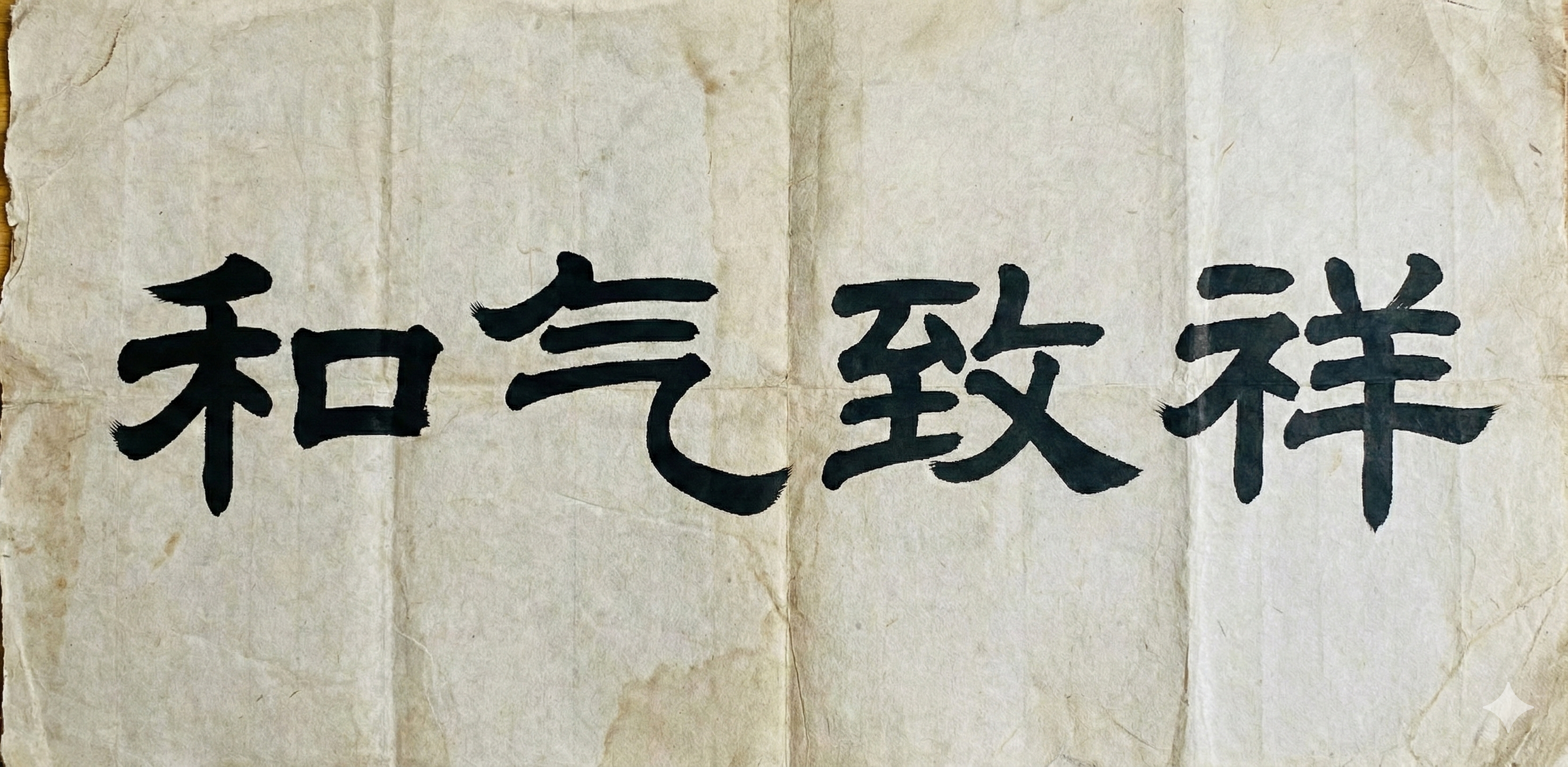
○ Visual drawing exercises for in-depth reflection
Painting visualizes the “repetitiveness” and “oppressiveness” of rumination, helping you to escape from it.
I. Theme: Overlapping Concentric Circles
- Drawing circles and circles represents "repeated ideas".
- Stop when you've drawn the 6th circle and observe how tired your hand feels.
- Realize that rumination is not something you "think about," but rather something you "repeat automatically."
II. Theme: The Mountain of Criticism → The Slope of Gentleness
- Draw a steep mountain on the left and write down the sentence you most often criticize yourself.
- Draw a gentle slope on the right to rewrite the sentence in a more realistic and gentler way.
- This is a visual training exercise to change "inner tone".
III. Theme: Rumination Chain
- Draw your rumination of thoughts as a series of links.
- Find that "smallest link".
- Write next to that step: "This can be disconnected."“
Painting is not about solving the problem of thinking, but about making it visible.
Please log in before submitting your drawings and feelings.
○ 1208. Deep Rumination and Weakening of Self-Criticism: Journaling Exercise
① What was the time of day when you felt the most rumination? (Write down your emotions and physical sensations at that moment)
② What is the core theme of the rumination? (Failure/Regret/Worry about the future)
③ Write down an alternative, more realistic explanation.
④ Write down a "breakpoint", for example: get up to drink water, wash your face, walk for 1 minute.
⑤ Today's reminder: "I am not the problem itself, I am seeing the problem."“
Please log in to use.
Deep rumination and self-criticism will not disappear in a day, but every substitution, every pause, every writing is real evidence of taking a small step away from the darkness.
 EN
EN  ZH
ZH  ES
ES  FR
FR  JA
JA