

Lesson 1209: Training in Emotion Acceptance and Awareness
Duration:75 minutes
Topic Introduction (Overview):
For bipolar II disorder, "emotional acceptance" is not the same as "ignoring it" or passively accepting fate. Rather, it's about learning how to avoid excessive resistance and hasty suppression, allowing emotions to find a real and acceptable place in the body and mind. Hypomanic phases often involve a rejection of awareness, such as "I'm fine, I don't need to stop"; depressive phases often involve a resistant rejection, such as "I can't do this." One of the difficulties of bipolar mood swings is that the reaction to the emotion is more painful than the emotion itself. This course aims to help you understand that mood swings are part of a rhythm, and awareness training can gradually shift you from an "emotional participant" to an "emotional observer."
This course combines the soothing and invigorating properties of black tea, the warming and comforting effects of Chinese congee, the structured writing training of Roman Script, and the rhythmic stability of mandala observation exercises to guide you in developing an inner ability to "allow emotions to exist, but not be dragged down by them." Awareness is not analysis, nor is it denial, but rather a way of allowing space, breathing room, and leeway, enabling you to more clearly see the cycles, triggers, bodily signals, and recovery paths of emotions. Through daily practice, you will gradually develop sustainable self-regulation abilities.
▲ AI Interaction: Practice "I am feeling, not 'I am it'"“
The core of awareness lies in separating "I" from "emotions" themselves, so that you are no longer overwhelmed by them.
- ① What is your most prominent emotion right now? (Just write down the name; no analysis is needed)
- ② Where on your body is this emotion most pronounced? (Chest/Throat/Abdomen/Shoulder)
- ③ If we consider this emotion as weather, which type would it be? (Cloudy/Rain showers/Light breeze/Snowstorm...)
- ④ Write a reminder: "I am me, not the emotion itself."
- For example: "I am experiencing sadness; it comes, and it goes."“
Click below to explore your "emotion map" with AI.
○ Emotional Acceptance & Music Awareness Training
Play a piece of music with a gentle rhythm and focus on the rise and fall of the melody.
Note: The melody is neither hurried nor rushed; it flows, but does not force you. The same applies to emotions.
When emotions are fluctuating, bring your attention back to a steady note in the music.
Chinese Tea Therapy: Gentle and Calming Black Tea (Supporting Emotional Settlement)
When experiencing emotional awareness, the brain is often prone to excessive tension or fatigue. Black tea, with its characteristics of being "warm, stable, and gentle," provides mild, non-stimulating energy, helping to ground the mind and focus, making the awareness process more stable.
Drinking tips:Before the awareness training, brew a cup of black tea, smell the aroma three times, and feel the body's stable landing point from top to bottom.
○ Millet and Pumpkin Porridge: A Solid Foundation for Stable Energy
When emotions fluctuate, blood sugar, energy, and body temperature are all affected. Millet and pumpkin porridge has the properties of "warming the middle, protecting the stomach, and stabilizing emotions," making it particularly suitable for low-energy training during periods of depression and for recovery after periods of hypomania. The natural sweetness of pumpkin can gently soothe emotions and help you enter a state of acceptance and observation more easily.
Healing Recipes
/home2/lzxwhemy/public_html/arttao_org/wp-content/uploads/cookbook/zhou-xiao-mi-nan-gua-15(Alternatively, you could try relaxed="1" or use an existing filename.)
Psychological Mandala - Mi Xiangwen 1209 - "Observe, not intervene"“
Emotions are like a slowly flowing mass of colors, and the training of the Observation Mandala is to not rush in, not push away, not interpret, but simply observe. If you focus on the center of the mandala, you will find that the changes in colors are not dangerous—like your emotions, they have fluctuations, but also a stable center.
[spiritual_mandala_v3_463-470]
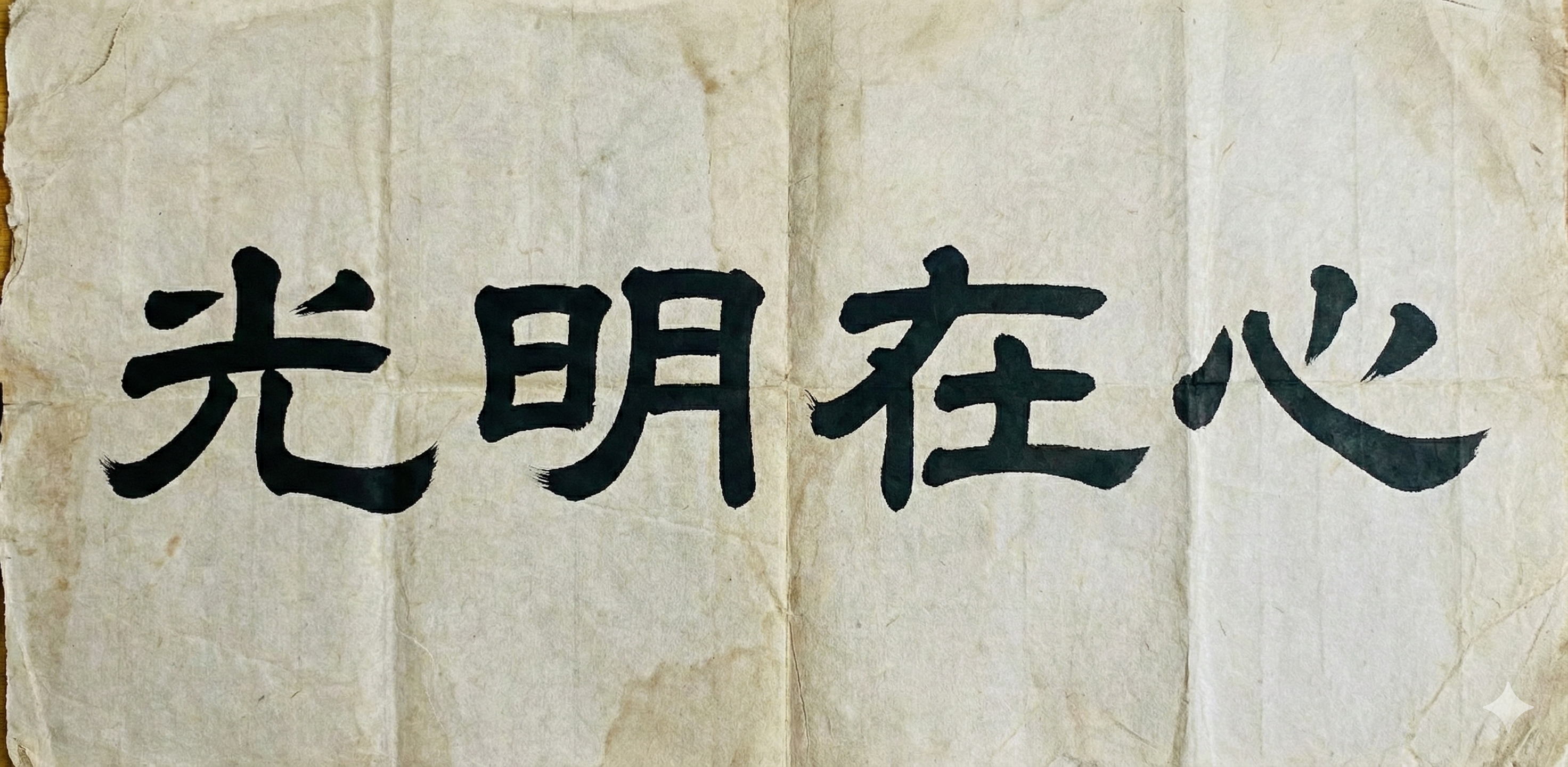
Roman Script · Receptive Writing Exercises
Ancient Roman calligraphy, emphasizing structure, rhythm, and balance, is an excellent tool for cultivating "emotional tolerance." The weight of each stroke trains you: emotions can be written down, but they don't need to be amplified.
- Practice words and phrases:
- “"Emotions flow, and I remain."
- “I can observe without drowning.
- Writing Tips:Keep the letter spacing consistent, and let your heart settle down with the structure.
○ Visual exercises for emotional acceptance
Drawing helps you "see where your emotions are," instead of being pulled away by your feelings.
1. Draw a three-colored cloud.
- Colors represent: light energy/current mood/low mood.
- Uniformity is not required; the only requirement is to "make it present."
- Write down the sentence: "I can accommodate multiple emotions simultaneously."“
II. Draw "Emotional Pause Points"“
- Draw two lines: the emotion fluctuation line and the breathing stability line.
- Write "Pause Here" where the two lines intersect.
III. Diagram of Body Awareness
- Draw a simple human figure and mark the part of your body that is most tense today.
- Apply a dark color to areas that are tight, and a light color to areas that are relaxed.
- Awareness is seeing the body, not guessing.
Painting is not a solution, but rather a way to "see" more clearly.
Please log in before submitting your drawings and feelings.
○ 1209. Emotional Acceptance and Awareness: Journaling Exercise
① What is your most prominent emotion today? Please write the "name" instead of the explanation.
② Where on the body does it first appear? (Chest? Abdomen? Throat? Between the eyebrows?)
③ Did I allow it to exist for 3 minutes?
④ What information did my emotions tell me?
⑤ Today's reminder: "When emotions come, don't make judgments."“
Please log in to use.
Emotional acceptance is not submission, but rather restoring inner space; awareness is not suppression, but returning to oneself. May you find your stable center amidst the fluctuations.
 EN
EN  ZH
ZH  ES
ES  FR
FR  JA
JA