

Lesson 1210: Prevention and Alternative Behaviors for Impulsive Actions
Duration:75 minutes
Topic Introduction (Overview):
In the mood cycle of bipolar II disorder, hypomanic episodes are often accompanied by a marked tendency toward "impulsive tasks," such as making quick decisions, changing plans abruptly, impulsive shopping, speaking impulsively, starting new projects late at night, and even engaging in a series of risky behaviors within a short period. Impulsive behavior itself is not a "personality defect," but rather a temporary weakening of the brain's inhibitory system when the mood rhythm rises, causing the "want to do it—do it" impulse path to be over-amplified. The goal of this course is not to completely eliminate impulsivity, but to use awareness, alternative behaviors, and structured strategies to shift impulsivity from "immediate action" to "pausing first," and from automatic mode to conscious choice.
This course combines the soothing and calming effects of black tea, the gentle energy support of porridge, the rhythmic training of Roman Script, and the centered experience of mandala visualization to help you build an "impulse buffer." You will learn how to identify warning signs of impulses, develop alternative actions (such as ballast breathing and cooling note-taking), train the "ten-minute delay method," and integrate these strategies into your daily rhythms. The goal is not to suppress impulses, but to enable you to guide energy more steadily and intelligently, rather than being driven by it.
▲ AI Interaction: Establish Your "Impulse Pause Point"“
Impulsiveness is not a mistake, but a signal that the brain has too much energy. The key is to "observe, rather than act immediately".
- ① Write down your three most recent impulses that you "want to do right away".
- ② Determine if they belong to: shopping/ emotional expression/ excessive work involvement/ social impulse/ escapism/ other.
- ③ Write down the physical signals that appeared 30 minutes before they appeared (hot palms? rapid breathing? increased rhythm?).
- ④ Write down an alternative action that you can accept.
Click the button to build your security alternative strategy with AI.
○ Impulse Regulation and Music Buffering Exercises
Choose a stable, slow, and highly repetitive piece of music as your "Impulse Pause Song".
When you feel the urge to do something impulsively, play this song and listen for two minutes.
You will find that emotional energy does not need to erupt immediately, but can be gradually subsided.
Chinese Tea Therapy: The "Delayed Effect" of Black Tea“
Black tea has a warming and non-stimulating effect, which is particularly helpful for the "impulsive execution" often seen during periods of low energy. It can help maintain focus without escalating impulses like coffee.
How to use:When the urge arises, first brew a cup of black tea, smell the aroma three times, drink three sips, and take three deep breaths. This process itself is a form of "delayed behavior."
○ Red Date and Millet Porridge: Low-impact support for calming emotions
Red dates can stabilize emotions, and millet can calm the nerves; the combination of the two can reduce the "idle energy" during periods of hypomania. Consuming them often in the morning or evening when impulses are high can help restore the body's rhythm to a more controllable range.
Healing Recipes
/home2/lzxwhemy/public_html/arttao_org/wp-content/uploads/cookbook/zhou-hong-zao-xiao-mi-08(Alternatively, you could try relaxed="1" or use an existing filename.)
Psychological Mandala · Power Thoughts 1210 · "The Distance Between Centralization and Impulsivity"“
Impulses are like flames that suddenly burst forth, making you see only one direction for a fleeting moment. The center of the mandala, however, reminds you: the world is larger than that instant. Gazing at the center of the mandala, you will discover that the impulse is not you, but a small stream of energy. You stand at the center, and it stands around you.
[spiritual_mandala_v3_471-478]
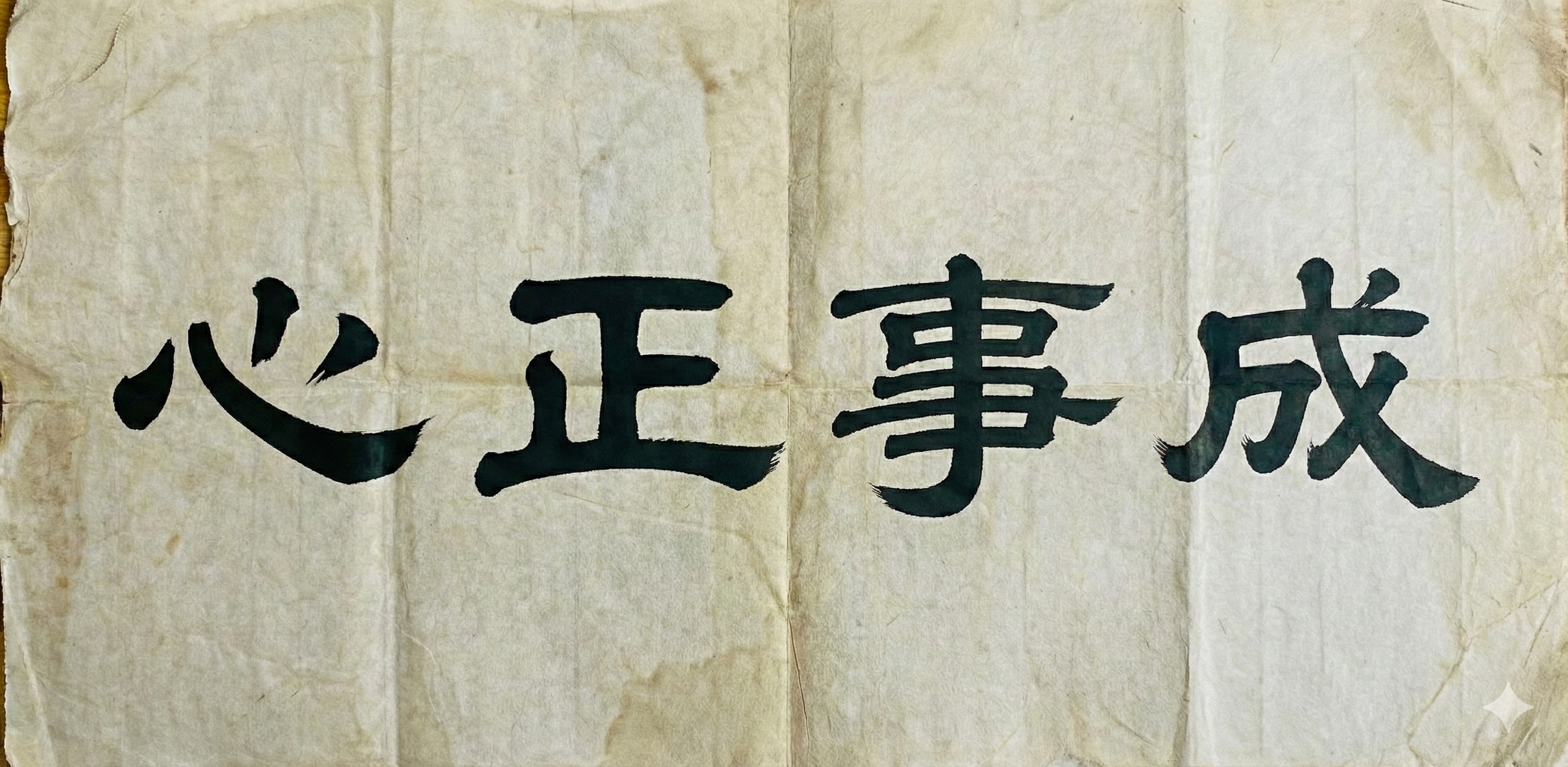
Roman Script: Writing Exercises on "Delay and Choice"
Ancient Roman script emphasized spacing, alignment, and consistent stroke weight. Each pause in a stroke was an exercise in impulse: not writing immediately, but deciding when and how to write.
- Write sentences:
- “"Pause is power."
- “"Choice begins at delay."
- Writing Tips:Maintain consistent letter width and train a "balanced hand rhythm" to counteract impulsive, rapid rhythms.
○ Visual exercises for impulsive assignments
Painting is used to depict the three stages of an impulse: "precursor, climax, and recovery".
1. Draw a "three-segment energy line"“
- Left = Energy Rising Zone (Precursor to Impulse)
- Midpoint = Explosive Moment (The Moment You Most Want to Do Immediately)
- Right = Recovery zone (delayed descent)
- Write down the signals that frequently appear in each of the three sections.
II. Draw an "Impulse Safety Circle"“
- The center reads "I"; the outer circle reads "impulse";
- Draw a "buffer zone" between the two circles.
- Write down your alternative behaviors: drink tea, listen to music, walk, write three lines of text.
III. Visualizing the "10-Minute Delay"“
- Draw an hourglass and write at the funnel: "10 minutes = lifeline".
- Remind yourself: Impulsiveness is the enemy of time, and time is the antidote to impulsiveness.
Painting is not about control, but about clearly defining your "space of action".
Please log in before submitting your drawings and feelings.
○ 1210. Prevention and Substitution of Impulsive Behavior: Journaling Exercise
① What was the first impulse that arose today?
② What signals did your body give you at that time?
③ Did I implement "delayed behavior"? What were the results?
④ What is the most effective alternative action today?
⑤ Today's reminder: "I can pause, I have a choice."
Please log in to use.
Impulsiveness is not the enemy; it is merely a distorted sense of energy. May you regain control of your rhythm and freedom of action through the practice of pausing.
 EN
EN  ZH
ZH  ES
ES  FR
FR  JA
JA