

Lesson 1213: Long-Term Use Instructions for Mood Charts
Duration:75 minutes
Topic Introduction (Overview):
A mood chart is a core tool in the long-term management of bipolar II disorder. Unlike short-term mood diaries, a mood chart emphasizes...Periodic observation、Trend Identification、Rhythm RepairandEarly warningHypomania and depression each have hidden signals, but by recording your daily sleep, energy, focus, speech speed, spending desires, social changes, and eating patterns, you can see patterns within 2–4 weeks. For example: consistently sleeping less on certain days → accelerated thinking in the second week → followed by a period of fatigue. Through Mood Charts, you will understand that "mood fluctuations are not isolated events, but chain reactions."
This course will teach you how to move from "daily rating" to "long-term management": how to mark the onset of hypomania, how to identify early signs of depression, how to share your records with family, and how to help your therapist adjust medication and pacing through a gradual adjustment process. The course incorporates calming black tea, nourishing porridge, and Roman Script structure exercises to help you maintain a stable rhythm during the recording process, making your mood log a daily "structural anchor" rather than a burden.
▲ AI Interaction: Setting Your Personal Mood Chart
Please answer the following four questions, and AI will help you generate a "personalized emotion record template".
- ① What are the most common signs of mood swings you experience? (e.g., speaking quickly/sleeping little/withdrawing from conversation)
- ② What data do you want to record daily? (Sleep, energy, mood, behavior)
- ③ How long would you like to observe? (14 days/30 days)
- ④ What trend do you want the chart to show? (Upward, downward, wave-like, stable zone)
Click to enable Mood Chart configuration:
○ Music - A Stable Method for Recording Rhythm
Playing a specific piece of music before recording your emotions can help your brain enter "observer mode," preventing it from being led by emotions and making your mood chart more authentic and neutral.
Try listening to soft instrumental music and starting to fill in notes after the music ends—this can become a stable daily ritual.
Chinese Tea Therapy: Black Tea (Stable Recording Rhythm)
The warmth and slight invigorating effect of black tea can help you stay focused and calm while taking notes. For those experiencing low motivation during periods of depression, black tea can provide a slight energy boost; for those experiencing hypomania, it can help shift "rapid attention" to "continuous focus."
○ Longan, Red Date, and Millet Porridge: Gentle Support for a Stable Rhythm
Longan nourishes blood and calms the mind, red dates nourish qi and blood, and millet strengthens the spleen and warms the stomach. This porridge is suitable for those experiencing low energy during periods of depression, difficulty recording information, or restlessness and difficulty sitting still during periods of hypomania. It helps you enter a more stable and calm inner rhythm before your daily journaling.
Healing Recipes
/home2/lzxwhemy/public_html/arttao_org/wp-content/uploads/cookbook/zhou-guiyuan-hongzao-xiaomi-09(Alternatively, you could try relaxed="1" or use an existing filename.)
Psychological Mandala · Powerful Thoughts · 1213 · "The Ring of Patterns"“
Please observe this mandala quietly. You will see a recurring rhythm, like a calendar or an emotion log. The outer circle rotates, the inner circle remains still; emotions fluctuate, but you are at the center. The act of recording itself is a practice of "remaining at the center."
Please watch it three times, allowing the "rhythm" to slowly enter your breathing.
[spiritual_mandala_v3_493-500]
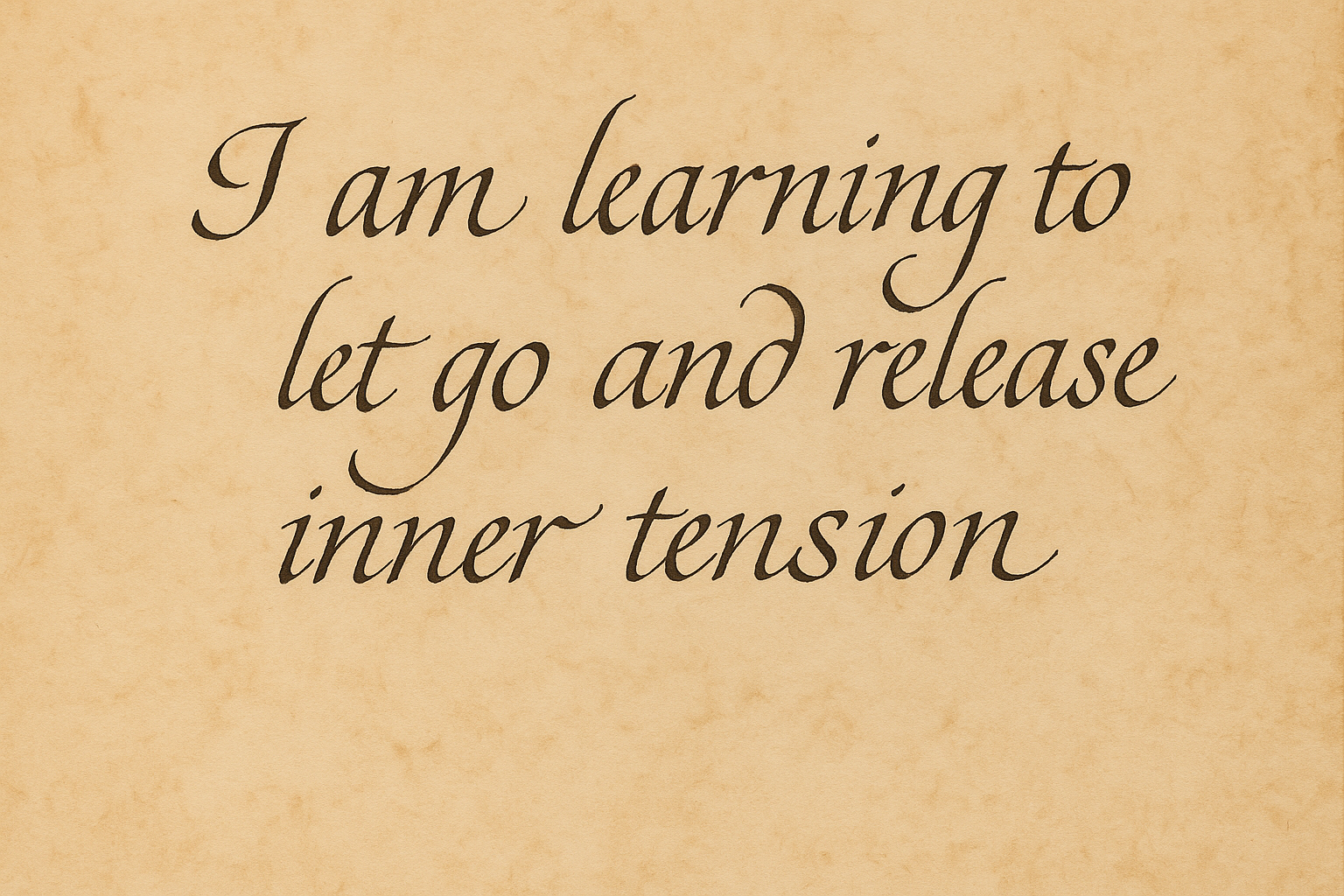
Ancient Roman script: Structural exercises for recording.
The stable structure of Roman script is perfect for reinforcing the impression that "daily journaling is a stable rhythm."
- Write sentences:
- “"One day, one line."
- “"Patterns reveal the truth."
- Writing Tips:Maintaining even spacing between letters symbolizes "the continuity of the record".
○ Guide to Long-Term Mood Chart Drawing
The following three drawing exercises will help you truly master long-term recording techniques.
1. Draw a 30-day "energy curve"“
- Horizontal axis: Dates (1–30).
- Vertical axis: Energy 0–10 points.
- Hypomania is mostly in the range of 7–9; depression is mostly in the range of 0–3; and stability is in the range of 4–6.
- Observe which days the shift begins and how many days it lasts after the shift.
2. Draw an "Emotional Trigger Event Marker Map"“
- Use ▲ to mark stressful events; use ● to mark sleep deprivation; use ◆ to mark agitated or impulsive behavior.
- Observe whether the pattern is concentrated in certain areas.
3. Draw a "circle of time percentage in the stable region".“
- Divide the 30 days into a stable zone, a hypomanic zone, and a depressive zone.
- The three areas are distinguished by color and the number of days is marked.
- If the stable region is less than 40%, the rhythm needs to be adjusted.
These graphs provide a more accurate representation of your circadian rhythm structure than a single day's record.
Please log in before submitting your drawings and feelings.
○ 1213. Emotion Record Sheet · Journal Exercise
① What is my energy score today? (0–10)
② Are there any signs of hypomania or early depression?
③ Did my sleep, diet, and social interactions today affect my mood?
④ Will my curve move upward, downward, or remain flat today?
⑤ Today's reminder: "Recording is not judgment, but understanding."“
Please log in to use.
An emotion log serves as your "rhythm anchor." When you can see your patterns, you can prepare in advance instead of being led by fluctuations.
 EN
EN  ZH
ZH  ES
ES  FR
FR  JA
JA