

Lesson 1218: Warning Signs of Relapse: How to Identify and Act Upon Them
Duration:75 minutes
Topic Introduction (Overview):
Relapses in bipolar II disorder often don't happen suddenly, but rather begin with subtle rhythmic shifts: shallower sleep, slightly faster speech, attention deficit, increased impulse spending, social withdrawal, increased fatigue, and heightened emotional sensitivity. These signals are easily overlooked in the early stages, yet they are precisely the "precursors to hypomania or depressive fluctuations." This lesson will teach you to identify these "yellow light zones" and develop an immediately actionable plan to prevent hypomania from escalating into impulsive behavior and to prevent depression from further deteriorating.
This course uses the calming effect of black tea, the gentle nourishment of porridge, and the structured writing style of Roman Script to help you maintain clarity "at the first sign of a signal." We will systematically explain: how to assess risk levels, how to notify family members, how to adjust sleep rhythms, how to use Mood Charts to capture trends, when to contact a doctor, and when to pause major decisions. The goal of this course is not to eliminate volatility, but to equip you with the ability to "take immediate action before volatility occurs."
▲ AI Interaction: Your Personal Relapse "Yellow Light Signal"“
Answer the following four questions and AI will generate a "personalized early warning plan" for you.
- ① What are the most common warning signs you experience? (Sleep deprivation/Speaking rapidly/Impulsive spending/Retreat)
- ② What signs indicate that your condition will typically worsen within three days?
- ③ What are the three actions you would like to take when the signal appears (sleep/pause decision/contact supporters)?
- ④ Who would you like to be your "first contact"? (Family/Friend/Therapist)
Click to generate your "Relapse Early Warning Action Card":
○ Music and the Ritual of Awareness of Stable Signals
Before checking for relapse signals, listen to a familiar piece of music to put your brain into an observational state, rather than being swayed by emotions. Music helps you "slow down," allowing you to more accurately see your rhythm shifts.
Play music → Take 5 deep breaths → Start checking your signal list.
Chinese Tea Therapy: Black Tea (Enhances Focus and Stabilizes Digestive Rhythm)
Black tea has a dual effect of mildly refreshing and stabilizing attention. For those experiencing hypomania, it helps shift energy from "floating" to "focused"; for those experiencing depression, it slightly elevates attention from a "foggy" state. This cup of black tea is your daily "rhythmic ritual" for early warning checks.
○ Lily bulb, lotus seed, and millet porridge: Regulates breathing, calms the mind, and stabilizes fluctuations.
Lily bulbs soothe the nerves, lotus seeds nourish the spleen, and millet strengthens the stomach—this is a stable formula suitable for both mild agitation and early signs of depression. It's ideal as a light breakfast or bedtime snack when early signs are detected, helping to restore your internal rhythm to a stable center.
Healing Recipes
/home2/lzxwhemy/public_html/arttao_org/wp-content/uploads/cookbook/zhou-baihe-lianzi-xiaomi-15(Alternatively, you could try relaxed="1" or use an existing filename.)
Psychological Mandala · Powerful Thoughts · 1218 · "The Ring of Signals"“
Please observe the rotating layers of the mandala: the outer ring fluctuates constantly, like premonitions of emotions; but the center remains stable, like your truest inner "observer." In the early stages of a relapse, what you need to do is not suppress the fluctuations, but return to the center and see clearly what is changing.
Stare at the mandala three times, transforming yourself from a reactant into an observer.
[spiritual_mandala_v3_493-500]
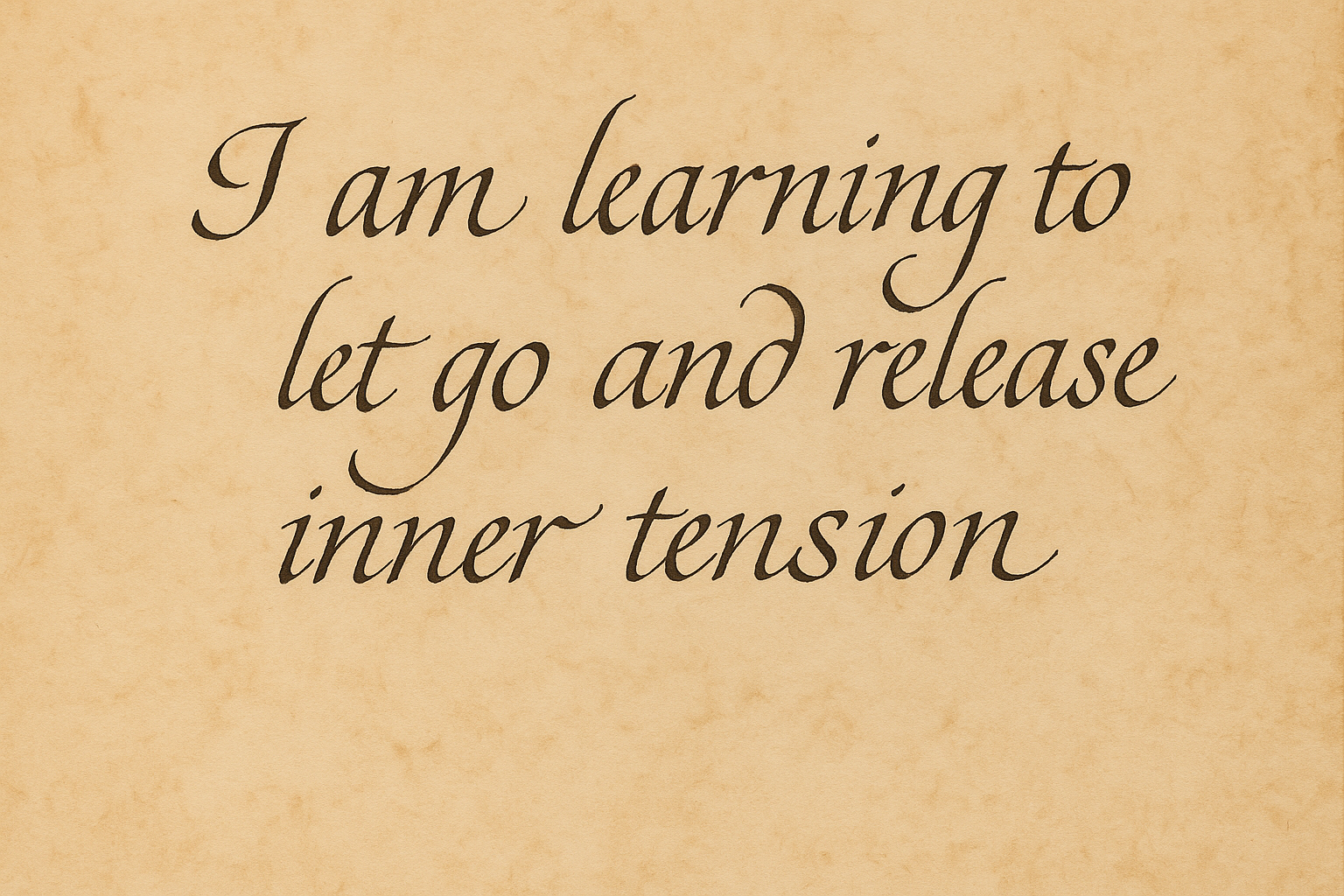
Ancient Roman script: Structural exercises for maintaining a stable rhythm
Roman Script's stable structure helps you "reintegrate your state" when the risk of relapse arises.
- Write sentences:
- “"Signals first, actions next."
- “"Hold the center."
- Writing Tips:Maintaining uprightness and symmetry symbolizes "preserving structure amidst fluctuations".
○ Relapse Risk Mapping Guide: The First Step is to "map" the signals.
Through the following drawing exercises, you can more clearly see the trend before a relapse, instead of regretting it afterward.
1. Draw the "yellow light zone curve".“
- Horizontal axis: Past 14 days.
- Vertical axis: Energy/Sleep/Speech rate score (0–10).
- Color the first 3 days of the "start of offset" yellow to mark the signal.
- The longer the yellow light zone lasts, the more intervention is needed.
2. Draw a "hypochondriac/depressive arrow diagram".“
- → Indicates an upward trend (a tendency towards restlessness).
- ↓ indicates a decline (depressive tendency).
- Three consecutive arrows pointing in the same direction = high risk.
III. Draw the "Action Card Matrix"“
- Four categories: Sleep/Social/Diet/Decision-making.
- Enter one "immediately actionable" action in each cell.
- This will become your portable emergency relapse card.
Please log in before submitting your drawings and feelings.
○ 1218. Relapse Warning Signals - Log Exercise
① Are there any "yellow light signals" today?
② Which signal is the most obvious? (Sleep deprivation/rapid speech/withdrawal/fatigue/impulsivity)
③ What stabilizing behaviors did I take today? (Going to bed earlier/pausing decisions/communicating with others)
④ If I am not taking action, what is holding me back?
⑤ Today's reminder: "Seeing the signal means the first victory."“
Please log in to use.
A relapse is not a failure, but a slight shift in the rhythm. As long as you can detect it and act sooner, you are already ahead of the fluctuation, not under it.
 EN
EN  ZH
ZH  ES
ES  FR
FR  JA
JA