

Lesson 1230: Rapid Fluctuations in Self-Esteem and Ups and Downs in Self-Worth
Duration:75 minutes
Topic Introduction:This course focuses on "rapid fluctuations in self-esteem" within cyclothymic mood disorder. Many people don't constantly negate themselves, but rather frequently oscillate between "I'm doing well" and "I'm worthless" within a day or a week: a small amount of praise instantly excites them, making them feel like they can finally improve, while a little criticism or cold feedback immediately plunges them back into self-blame and shame. This course will help you understand that this fluctuation is not a matter of being overly sensitive, but rather related to long-term mood swings, evaluation methods from your upbringing, stress, and sleep rhythms. You will learn to identify typical triggers and timing patterns for self-esteem fluctuations, understand why you are particularly sensitive to evaluation at certain times, and build a gentler, more sustainable way to support your sense of self-worth through journaling, tea therapy, soup preparations, and calligraphy exercises.
[arttao_Healing_Course_tts_group1230_1234]▲ AI Interaction: Navigating the Rollercoaster Ride of Your Self-Esteem
In this section, we attempt to transform the abstract concept of "fluctuations in self-esteem" into a describable and observable experience, rather than a vague statement like "I am very unstable."
- ① Describe to the AI three scenarios from the past week that made your self-esteem "instantly rise" and three scenarios that made you "suddenly fall to the bottom".
- ② Ask AI to help you extract: What do these scenarios have in common? Are they all related to a certain type of person, a certain evaluation, or a certain theme (such as ability, appearance, or whether one is needed)?
- ③ Distinguish with AI: In these moments, how much of your feelings are based on facts, and how much is an automatic projection from past experiences and old beliefs?
- ④ Discussion: If you stop judging yourself as a "good person/bad person" or "success/failure" and instead describe yourself as "someone who is practicing", how would your story this week be rewritten?
Click the button below to trace your "self-esteem curve" with AI, and try to transform from a self-blaming bystander into a gentle and understanding witness.
○ Fluctuations in self-worth: Music therapy: Prepare a song for yourself that is "not overly judgmental".
When self-esteem fluctuates rapidly, people easily seek resonance in music that evokes either extreme exhilaration or extreme sadness. This exercise invites you to choose a piece that is neither extremely optimistic nor extremely pessimistic, but rather carries a gentle sense of reality, to serve as background music for your practice of "not over-judging yourself."
- When your self-esteem suddenly rises or falls, don't rush to make a decision or draw a conclusion. Instead, play this song and listen to it completely.
- In the music, I gently ask myself: "If today were an episode in a long drama, could my performance in this episode truly define the entire series?"“
- Viewing this song as a "reminder of the balance point" is not about suppressing emotions, but about reminding yourself: I can stop here first, instead of being pulled to the extreme.
○ Chinese Tea Therapy: Green Tea – From “Invigorating Performance” to “Clear Awareness”
Recommended reasons:For people whose self-esteem is easily tied to performance, green tea is not just about "energizing yourself to work harder," but can also be designed as a ritual of "taking a half-step back from performance." When you pick up a cup of light green tea, pause for a few minutes and shift your focus from "Am I performing well enough?" to "What is my true state right now?"
Suggested usage:Before entering a situation where you need to be evaluated (meeting, presentation, exam, interview), take 5 minutes to drink a cup of warm green tea. Don't rehearse the worst possible outcome; simply savor the aroma, the warmth in your throat, and your breath. When you feel your self-esteem plummet due to a setback, you can also brew another cup in the same way, reminding yourself: I can take care of my health first, and then discuss "value."
Mini-exercise:After finishing each cup of green tea, write down a self-description on a piece of paper, deliberately avoiding extreme words such as "good/bad" or "okay/bad," and try to use more neutral and specific sentences, such as: "I am very tired today, but I still managed to accomplish a few things" or "I care about criticism, but I am also learning to extract specific information from it."
Spinach and Tofu Refreshing Soup: Nourishing the Body's Strength Amidst Fluctuations
When self-esteem fluctuates rapidly, people often neglect the most basic physical care: they either eat too fast or eat haphazardly; they either diet excessively or engage in retaliatory overeating. Spinach and tofu calming soup, with its light broth, tofu, and leafy green vegetables, provides the body with gentle protein and mineral support, allowing you to still have a bowl of food you can comfortably eat even when your emotions are turbulent, reminding you that "your body deserves to be treated well."
It is recommended to cook this soup with less oil, less salt, and less seasoning to preserve the fresh taste of the vegetables and tofu. You can choose a day when you are particularly critical of yourself to prepare this soup for yourself. While drinking it, you can practice shifting your attention from "what I am not good enough" back to "the temperature and taste of this sip," making the soup a small bridge for you to temporarily escape from excessive self-blame.
Healing Recipes
/home2/lzxwhemy/public_html/arttao_org/wp-content/uploads/cookbook/tang-bo-cai-dou-fu-qing-xin(Alternatively, you could try relaxed="1" or use an existing filename.)○ Psychological Mandala: Observe the breath of self-worth, rather than judging yourself.
Psychological Healing: Psychological Mandala - Thoughts and Reflections 27
Sometimes, self-esteem is like a breath that fluctuates wildly: a glance from someone and you soar; a single displeasing word and you collapse instantly. Remember, a mandala isn't about drawing something, but about observing. At this moment, don't force yourself to understand the deeper meaning of the pattern, nor try to "see something," simply let your eyes wander among the repetitive yet subtly different lines in quiet contemplation. As you observe, you also see: some parts are stretched large, some are compressed small, yet they still coexist within the same circle. Just like your self-esteem, there are moments of expansion and times of contraction; moments of affirmation and shadows of misunderstanding. Observing a mandala is a reminder to yourself: these changes don't need to be immediately judged as "good" or "bad"; they are simply part of the rhythm of your life, and you can choose the point where you slowly relax while observing.
It is recommended to watch it three times in a row: the first time, just move your eyes slowly without any explanation; the second time, focus on the parts that remind you of "I am good" and "I am not good enough", and acknowledge that they both exist; the third time, bring your attention back to your breathing and gently say to yourself, "Whether my self-esteem is high or low right now, I deserve to be seen quietly."“
Watch Healing Mandala Animations

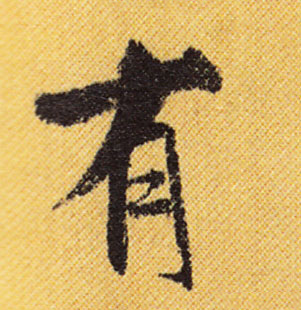



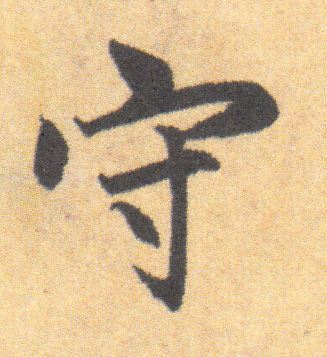
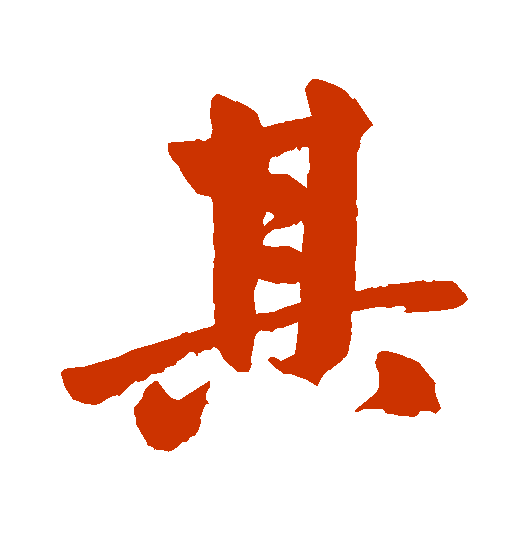

○ Chinese calligraphy, running script: Write down "I am not just good or bad for a moment".“
The flowing lines and turns of running script are well-suited for expressing the complex state of being "neither entirely good nor entirely bad." This calligraphy exercise invites you to write down a sentence in running script that reflects a broader understanding of self-worth, allowing this sentence to become an inner pillar for you when your self-esteem fluctuates.
- Writing words and phrases:
- I am not just good or bad at any given moment.
- I Am More Than One Good or Bad Moment
- Writing Tips:
- When writing "I am not just for a moment", you can make the strokes a little more extended, as if opening up some space for yourself, no longer being defined by a single moment.
- When writing "good or bad", deliberately keep the shape of the characters stable and do not write them in an exaggerated way. This symbolizes that you are practicing viewing "good" and "bad" on the same line, rather than seeing them as extreme opposites.
- When writing English sentences, you can slightly emphasize "More Than" to help your hand remember: Your life is not just a performance test, but a long road that can be constantly corrected and grown.
○ Rapid fluctuations in self-esteem and ups and downs in self-worth: Drawing guidance suggestions
In this drawing exercise, we don't aim for "beautiful drawings," but rather to use the paper as an experimental field to observe fluctuations in self-esteem. Many people only notice their emotions during moments of "extreme highs" and "extreme lows," neglecting the countless small self-evaluations they make every day: an expression, a glance, a word, a mistake—all can quietly add or subtract points in their minds. By drawing these moments as lines, grids, or marks, you can more intuitively see: which scenarios most easily elevate your self-esteem, and which scenarios consistently deplete it; whether your self-esteem is too tightly tied to the evaluations of others; and whether there are "slightly stable ranges" throughout the day. The goal of drawing is to help you see these patterns, not to judge whether you've done well or poorly.
Self-Esteem Curve: From "Complete Denial" to "Seeing Change"“
- Draw a horizontal axis on a piece of paper to represent a day or a week, and a vertical axis to represent the level of self-esteem, ranging from "I despise myself" to "I am overconfident in myself".
- Reflect on recent real-life experiences, draw the highs and lows of your self-esteem at different points in time, and connect them with lines to form a "self-esteem curve".
- Next to each obvious high and low point, mark the triggering event with short keywords (such as "praised", "ignored", "made a small mistake", "rejected").
- Observation: Is this curve always at its lowest point? Are there any slight rebounds that you simply overlooked in the past?
If intense self-blame or shame arises again during the drawing process, put down your pen, stretch your body, or take a few steps to remind yourself: you are practicing "seeing and understanding" at this moment, not "proving yourself not good enough again." When you are ready, return to the paper and continue completing that imperfect, yet truly your own path of self-esteem.
Please log in before submitting your drawings and feelings.
○ 1230. Rapid fluctuations in self-esteem and ups and downs in self-worth: Journaling guidance suggestions
① Reflect on the past week and write down three moments that significantly boosted your self-esteem and three moments that instantly shattered it, being as specific as possible about the context, conversation, or facial expression.
② Describe what you said to yourself at that moment, such as "So I can do this too" or "I'm really worthless." Write down these automatic internal sentences one by one.
③ Choose the statement that makes you feel the most guilty and try to rewrite it in a more neutral and specific way. For example, change "I can't do anything right" to "I made a mistake in this matter, but there are things I can adjust."
④ Write down three small things that are unrelated to your "performance" but still make you feel that you deserve to be cherished, such as "I was very tired today, but I still cared about someone" or "I am willing to learn a skill that I am not good at before."
⑤ Imagine yourself looking back on this moment ten years from now. How would your future self evaluate your current efforts and struggles? Write a short letter of encouragement to your present self in the second person.
⑥ End today's writing with a sentence, such as: "My self-esteem is fluctuating, but I am learning to give myself a more buffering perspective."“
Please log in to use.
Rapid fluctuations in self-esteem do not mean your personality is a mess, but rather a reminder that your emotional rhythms, self-evaluation methods, and living environment are intertwined and at work. May the green tea, light soups, calligraphy practice, mandala viewing, and drawing records in this lesson help you gradually find a broader, more stable, and more authentic position of self-worth between "I am good" and "I am bad."
 EN
EN  ZH
ZH  ES
ES  FR
FR  JA
JA