

Lesson 1232: Risk Analysis of Impulsive and Temporary Decisions
Duration:75 minutes
Topic Introduction:
In the emotional cycle of cyclothymic mood disorders, impulsive and impulsive decisions often subtly rise during hypomanic tendencies, but many people are unaware of the underlying rhythmic source. The surge in energy, accelerated thinking, and increased self-confidence during the hypomanic phase makes it easier to make decisions without fully assessing the consequences, such as impulsive shopping, sudden changes to plans, emotional communication, or hasty commitments. Conversely, the mildly depressed phase may involve compensatory choices, leading to a desperate attempt to escape unpleasant emotions. This lesson will guide you through understanding how mood swings affect risk assessment mechanisms, identifying common impulsive signals (such as accelerated movements, increased speaking speed, skipping plans, and unstable attention), and reducing the long-term impact of risky behaviors on your life through rhythmic awareness, decision buffers, and structured daily strategies. (231 words)
○ Overview of Cyclothymic Disorder
- Symptom characteristics:Cyclothymic mood disorder is characterized by alternating periods of hypomania and mild depression lasting for more than two years, causing individuals to fall into a rhythmic fluctuation that is "never completely stable".
- Rhythm Pattern:Although the mood swings are not as severe as those in bipolar disorder, long-term fluctuations can still affect interpersonal relationships, work, and life structure.
- Risks and delays:Because the symptoms are not "severe" enough, many people go undiagnosed for years, leading to long-term functional impairment and chronic mental fatigue.
▲ AI Interaction: Detecting Impulses and Temporary Decisions
Impulses often masquerade as "inspiration" or "quick action," but rhythmic fluctuations amplify the risks of these behaviors.
Please write down three impulsive decisions you made recently, and recall the physical and emotional characteristics at the time.
Write down another "decision buffer" that you hope to establish in the future.
Awareness is the first step in reducing risky behavior.
Click the button below to analyze your impulse patterns with AI.
○ Impulse and Rhythm Awareness · Music Therapy
Please listen to a piece of slow, steady music, and gradually switch your body from the "rushing forward" mode to "stop-look-then move forward".
Music helps you slow down and restore clarity of judgment.
Maintaining a steady pace is the gentlest yet most effective way to intervene when impulsive.
🍵 Calming and refreshing green tea
Recommended reasons:The theanine in green tea can gently reduce the overactivation during the hypochondriac phase, bringing thinking back to a clearer and more controllable state, and reducing impulsive behavior.
usage:Take 3g of green tea, steep in 80°C hot water for 3 minutes, and drink 1–2 cups daily to help stabilize your circadian rhythm.
○ Poria and Tremella Soup for Brain Health and Calming the Mind
Poria cocos strengthens the spleen and calms the mind, while white fungus moistens the heart and soothes irritability. It can help reduce impulsive emotional drives and make behavior more stable, making it more suitable as a conditioning soup for people with unstable daily rhythms.
Reduce irritability
Stable behavior
Healing Recipes
/home2/lzxwhemy/public_html/arttao_org/wp-content/uploads/cookbook/kao-ji-xiong-rou-quan-mai-mian-bao.html(Please confirm that the following has been uploaded: kao-ji-xiong-rou-quan-mai-mian-bao.html)
🎨 Psychological Mandala
Psychological Healing: Psychological Mandala - Thoughts 07
Impulses are like a force that suddenly contracts and then rapidly expands, causing attention to jump around and rhythm to break down. When viewing a mandala, slowly move your gaze from the outer circle to the center, symbolizing that you are drawing that "outward-rushing force" inward. Observe, do not judge, and you will find that the power of impulse is becoming gentle.
When the impulse strikes, watch it 3 times to bring the center back to life.
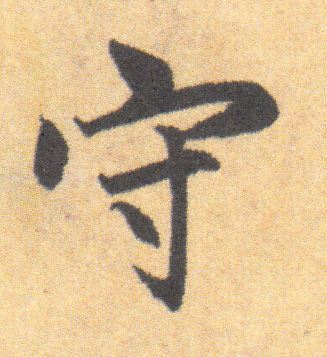
○ Chinese calligraphy – Running script
The speed, pauses, and endings of running script are the safest way to train impulse rhythm. You practice "pausing before moving forward" while writing.
- Written words:
- Calm your mind and slow your pace; maintain your composure.
- Pause the Heart, Move with Measure
- Writing Tips:
- Allow the brushstrokes to naturally transition between contraction and expansion, and experience the difference between "rushing out" and "pulling back"—this is the training of behavioral rhythm.







○ Impulsive Behavior Patterns: Drawing Guidance Suggestions
Impulsiveness is often an internal force that "suddenly surges outward from the center." Therefore, drawing practice can begin with depicting outward-expanding lines of varying intensities: first, draw the outermost, rapidly spreading lines, symbolizing the impulsiveness you feel during periods of restlessness; then draw slower but still outward-moving lines, symbolizing the urgency behind impulsive decisions; finally, use a stable line that gradually converges inward to bring the image back to the center, symbolizing your regaining of judgment and rhythmic control. Please mark the physical sensations you experienced during your most recent impulsive act (such as faster breathing, increased heart rate, accelerated movements) on the drawing, making it visible. The purpose of drawing is not to suppress impulses, but to help you understand where that force comes from and where it is going. (218 words)
Please log in before submitting your drawings and feelings.
○ 1232. Impulsive Behavior: Journaling Guidance Suggestions
① Write down your most recent "impulsive act that you regret the most".
② Was your mood at the time mildly agitated? Irritable? Depressed? Or was it driven by stress?
③ Identify the three triggers that lead to the impulse.
④ Write a sentence to support yourself: "I am learning to extend my behavioral buffer."
⑤ Tomorrow, practice a 30-second "stop and do it again" exercise.
Please log in to use.
Through this course, you will be able to more accurately identify impulsive behavior and protect your ability to make choices and maintain stability in your life amidst rhythmic fluctuations.
 EN
EN  ZH
ZH  ES
ES  FR
FR  JA
JA