

Lesson 1235: The Neutral Period Between Hysteria and Depression: How to Stabilize and Maintain It
Duration:75 minutes
Topic Introduction:
In cyclothymic disorder, the "neutral phase" is the most stable period of mood, falling between hypomania and depression, yet it is often overlooked. Many people feel "finally normal" during this phase, but due to a lack of awareness and maintenance, they are quickly swept away by the next fluctuation. This course will help you understand the psychological, behavioral, and physical characteristics of the neutral phase, including: a decrease in mood intensity, a return to stable focus, more regular sleep rhythms, decreased sensitivity to interpersonal relationships, and greater control over plan execution. We will also explore why the neutral phase is easily overlooked (e.g., taking stability for granted), and how the neutral phase can become the most crucial "stabilization window." Through strategies such as establishing rhythms, sleep, stress management, and self-observation, we can prolong the neutral phase, reduce fluctuations, and gradually restore a sense of control over life. (243 words)
○ Overview of Cyclothymic Disorder
- Symptom characteristics:Cyclothymic mood disorder is characterized by alternating periods of hypomania and mild depression lasting for more than two years, causing individuals to fall into a rhythmic fluctuation that is "never completely stable".
- Rhythm Pattern:Although the mood swings are not as severe as those in bipolar disorder, long-term fluctuations can still affect interpersonal relationships, work, and life structure.
- Risks and delays:Because the symptoms are not "severe" enough, many people go undiagnosed for years, leading to long-term functional impairment and chronic mental fatigue.
▲ AI Interaction: Recording Your "Stable Window"“
Please write down the last three days in which you felt “neutral and stable”: what was the rhythm of your sleep, mood intensity, and energy?
Write down three actions that help you maintain stability (such as your sleep schedule, taking walks, and reducing stimulation).
Write down another instance where you "almost got taken away from stability" and record the signal at that time.
The more aware you are, the easier it is to maintain the neutral period.
○ Strengthening the rhythm of the neutral period: Music therapy
Choose a slow-paced, not heavy, piece of music to help you find your breath and rhythm in a "steady state".
Music helps you build a sustainable and resilient structure during neutral periods, so that stability no longer depends on luck.
Let the melody remind you: stability is not accidental, but a rhythm that can be practiced.
🍵 Green Tea - Calming and Stabilizing
Recommended reasons:The theanine in green tea can balance excitement during periods of restlessness with fatigue during periods of low mood, helping to stabilize focus and making it easier to maintain a neutral state.
usage:Brew 3g of green tea with water at 80°C. It is best consumed before noon.
○ Lotus Seed and Lily Bulb Soup
Lotus seeds invigorate the spleen and calm the mind, while lily bulbs nourish the heart and soothe irritability, making them suitable as a gentle tonic soup to maintain circadian rhythms. They can help stabilize energy, reduce fluctuations, and promote sleep quality.
steady rhythm
Mild balance
Healing Recipes
/home2/lzxwhemy/public_html/arttao_org/wp-content/uploads/cookbook/kao-ji-xiong-rou-quan-mai-mian-bao.html(Please confirm that the following has been uploaded: kao-ji-xiong-rou-quan-mai-mian-bao.html)
🎨 Psychological Mandala
Psychological Healing: Psychological Mandala - Thoughts 07
The neutral phase is like the most stable circle at the center of a mandala, neither expanding outwards nor contracting inwards. When viewing the mandala, synchronize your breathing with the center, symbolizing that you are aligning yourself with a "stable rhythm." You don't need to explain; simply view it three times and feel yourself returning from the edge of fluctuation to the center.
Watching it three times gently awakens a stable rhythm.
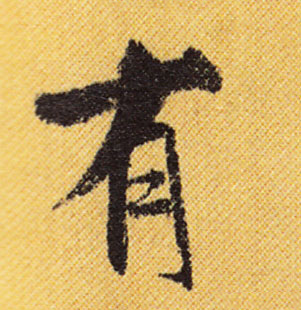
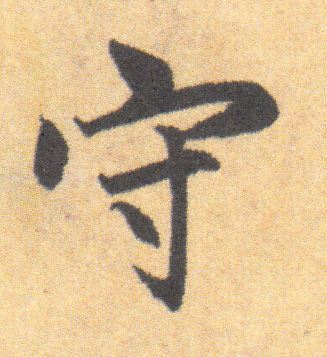
○ Chinese calligraphy – Running script
Running script has a rhythm of "stillness within movement and flow within stillness," making it ideal for solid practice during the neutral period.
- Written words:
- Stability is the foundation of stability; stability is the means to maintain balance.
- Centered to Steady, Steady to Hold
- Writing Tips:
- Maintain a steady pace when writing; don't rush, but don't be too slow either. Let the strokes exhibit a "natural and stable flow."






○ Maintaining the Neutral Period: Drawing Guidance Suggestions
To better understand the "neutral period," draw three progressively larger circles on a piece of paper: the outermost circle represents the expansive feeling during periods of restlessness, the middle circle represents the contracting feeling during periods of low mood, and the innermost circle represents your ideal neutral period. While observing, mark three of your most common signals between the three circles, such as: stable sleep, reduced emotional intensity, less impulsive actions, and sustained attention. You can also mark daily habits that help maintain stability next to the circles, such as maintaining a consistent sleep schedule, reducing social stimulation, drinking tea regularly, and using a schedule. Through this observation exercise, you will more easily identify when you are deviating from your neutral period and more quickly bring your rhythm back to its core, transforming stability from an "occasional state" into a "practiceable ability." (228 words)
Please log in before submitting your drawings and feelings.
○ 1235. Neutral Period · Log Guidance Suggestions
① Write down the details of your most recent "three stable days".
② Mark three habits that help you maintain stability.
③ Write down a reminder: "Stability is not luck; I can create the conditions for it."“
Please log in to use.
The neutral period is a window for you to realign with your rhythm; the better you maintain it, the more likely it will become your new normal.
 EN
EN  ZH
ZH  ES
ES  FR
FR  JA
JA