

Lesson 1243: Application of Behavioral Activation Methods in Periods of Depression
Duration:75 minutes
Topic Introduction:
In the rhythms of cyclothymic mood disorder, the low periods often don't lead to complete functional loss, but they are enough to bring life to its lowest possible level: a lack of interest in things, slower pace of action, decreased social engagement, and postponement of previously important goals. Behavioral activation isn't about "cheering up," but rather about using small, concrete actions to gradually pull life back from being passively driven by emotions to being guided by values and rhythm. This course will help you learn how to create a "concise action list" during low periods, starting with the smallest, easiest actions—such as washing a dish, going to the window, replying to a message, or having a warm drink—gradually restoring a sense of engagement in life. The key isn't immediate mood improvement, but rather that even before your emotions change, you've begun performing gentle, stable little actions to lay the foundation for a return to normalcy.
○ Overview of Cyclothymic Disorder
- Core features:Alternating periods of hypotension and depression keep the mood in a state of fluctuation for a long time, but it does not always reach the standard of a severe attack.
- Impact on the action:Over-planning and commitment during peak periods, followed by a significant reduction in action during downturns, create an "over-stagnation" cycle.
- Key intervention areas:By taking small, stable, and sustainable actions, we can move away from being entirely controlled by our emotions and gradually build a reliable daily routine.
▲ AI Interaction: Design Your "Hot List"“
Think back to the three most common states you experience during periods of low mood: feeling lazy, wanting to hide away, and having no interest in anything.
Write down a "minimum action" for each state, such as: wash only the cup you have used, open the window for only three minutes, or reply to only the most important message.
Let these actions be small acts of care you can do for yourself before your emotions change.
○ Rhythmic guidance for behavioral activation · Music therapy
Choose a piece of music with a gentle rhythm and a slight push, and while listening, do just one small thing: fold a piece of clothing, tidy up a corner, or make a drink.
Let the music be the "background" for getting up, rather than demanding that you complete all the tasks at once.
Warm Milk & Golden Milk: Healing
Recommended reasons:During periods of low mood, the body often feels cold, weak, or empty. Warm milk or golden milk soothes the nervous system with its gentle warmth, helping you reconnect to your body through a slowly sipped drink and providing gentle physiological support for behavioral activation.
How to drink:Slowly heat warm milk, adding turmeric and a little black pepper if desired. Sip it before bed, feeling your body warmed from the inside out, while mentally planning one or two minimum actionable tasks for tomorrow.
○ Kosher Food: Simple Nourishing Root and Vegetable Soup
Choose carrots, potatoes, celery, and onions that conform to kosher principles, and simmer them in water with a little olive oil to make a simple vegetable soup. The process of making it is itself a low-intensity behavioral activation: washing and chopping the vegetables, waiting for the soup to simmer slowly, allows you to still participate in "taking care of yourself" even when you're feeling down, and provides your body with a stable and non-overstimulating energy source.
Low-load operation
Rhythm Repair
Healing Recipes
/home2/lzxwhemy/public_html/arttao_org/wp-content/uploads/cookbook/kao-ji-xiong-rou-quan-mai-mian-bao.html(Please confirm that the following has been uploaded: kao-ji-xiong-rou-quan-mai-mian-bao.html)
🎨 Psychological Mandala
Psychological Healing: Psychological Mandala - Thoughts 07
When you're feeling down, it's easy to feel like "nothing matters." But when you quietly observe a mandala, you'll discover that it's not made up of a single stroke, but of many subtle lines forming the whole. Imagine your actions as these lines: one stroke won't immediately change the whole, but it can gradually fill in the blanks. You don't need to force yourself to cheer up; just tell yourself while observing: adding just one more stroke today is enough.
Please quietly observe the mandala three times, deeply engraving the permission to "do only one small thing" in your heart.
○ Medieval Gothic Script
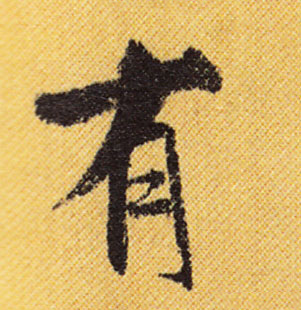
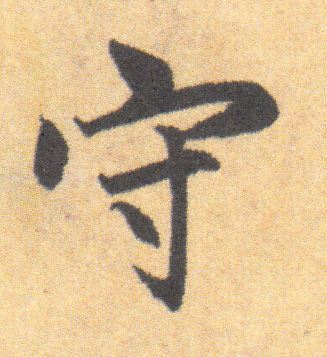
Practicing Gothic calligraphy during a low period is like supporting yourself with sturdy beams in soft mud: every stroke has weight, and every turn requires you to maintain focus and rhythm.
- Written words:One Small Step Today
- Writing Tips:Break each character down into several stable strokes, and deliberately slow down while writing, letting your hand mark "just one small step for today" on the paper.






○ Activating behaviors during periods of low spirits: Art-based guidance suggestions
Please draw a thin line that rises slowly from left to right. Write "Today's Low State" on the left and "A Small Step Forward" on the right. Mark three to five small dots on the line, each representing a minimal action you can take when feeling down, such as: getting up to drink water, opening a window, washing your face, replying to a message, or writing a sentence. After drawing the line, don't blame yourself for not doing enough; instead, quietly observe it. You'll find that even the slightest rise changes the direction of the entire line—this is the significance of behavioral activation within rhythm.
Please log in before submitting your drawings and feelings.
○ 1243. Behavioral Activation · Log Guidance Suggestions
① Write down the type of low mood you experience most often right now.
② Design a "minimum action" for this state.
③ Record whether you completed this step today, and how you felt when you did.
Please log in to use.
Emotions can gradually recover, and actions can begin in small steps; every step you take for yourself paves the way for future rhythms.
 EN
EN  ZH
ZH  ES
ES  FR
FR  JA
JA