

Lesson 1246: The Relationship Between Cyclic Mood Disorder and Daily Rhythm Instability
Duration:75 minutes
Topic Introduction:
One of the most prominent intrinsic characteristics of cyclothymia is the long-term imbalance between mood and circadian rhythms: slight changes in sleep can trigger mood peaks or troughs the next day; slight delays in mealtimes immediately reduce focus and endurance; and more social activities can easily lead to hyperactive thoughts at night. Many clients wonder, "Why does a little late night or a busy weekend, which is normal for others, have such a big impact on me?" This course will help you understand the chain reaction between the circadian rhythm system (sleep, energy, stress response, lifestyle) and mood fluctuations, helping you see that you are not "too sensitive," but rather that the circadian rhythm mechanism itself is more easily disturbed. We will practice how to break down daily life into several "stable anchor points," allowing emotions to gradually stabilize within a more reliable framework rather than relying entirely on occasional fluctuations in bodily rhythms.
○ The linkage mechanism between cyclic mood disorders and rhythm imbalance
- Amplification effect of sleep micro-perturbations:Falling asleep a little later or having a light sleep overnight can lead to mild excitement or significant depression the next day, causing the circadian rhythm to disrupt the emotional system.
- The cyclical feedback of stress and rhythm:Stress disrupts circadian rhythms, which in turn exacerbate mood swings, creating a vicious cycle.
- The chain reaction after the loosening of the lifestyle structure:Skipping meals, lack of rest, and excessive social activities can all amplify cyclical fluctuations, making it difficult to maintain emotional balance.
▲ AI Interaction: Find Your Three Rhythm "Vulnerabilities"“
Please write down the three rhythms that are most easily disrupted for you, such as: sleep, diet, exercise, social frequency, and work rhythm.
Record: What are some early signs of mood changes once these rhythms shift? What physical reactions will your body exhibit?
Finally, choose the one of the three rhythms that is easiest to adjust this week and write down a small action you can take.
○ Rhythm Stabilization · Music Therapy
Choose a slow-paced, repetitive piece of music and play it in the morning or at night to help your body "get back into place."
When listening, do not make plans or take notes; simply align your breathing with the melody and let your body perceive a stable rhythm through repetition.
Let music become your simplest and gentlest rhythmic anchor every day.
Warm Milk & Golden Milk: Healing
Recommended reasons:Warm drinks can slightly raise body temperature, relax the vagus nerve, and gradually calm down rhythms of anxiety, excitement, depression, or physical tension, creating a "stability = safety" experience for the brain.
How to drink:Drink a small cup slowly an hour before bed, adding turmeric, cinnamon, and a little black pepper. Slow down your movements while drinking, allowing the temperature and aroma of the beverage to become a fixed ritual in your sleep rhythm.
○ Kosher Food: A Simple and Orderly Daily Meal Rhythm
This meal combines three simple elements based on kosher principles: protein (fish/eggs), quality carbohydrates (whole-wheat bread), and fiber-rich vegetables. Make this your regular "Rhythm Recovery Day" menu to provide a sense of order during chaotic times.
By making eating predictable, the brain can rebuild a stable rhythm, reducing the tendency for mood to be constantly affected by external fluctuations.
Predictability
Stable energy
Healing Recipes
/home2/lzxwhemy/public_html/arttao_org/wp-content/uploads/cookbook/kao-ji-xiong-rou-quan-mai-mian-bao.html(Please confirm that the following has been uploaded: kao-ji-xiong-rou-quan-mai-mian-bao.html)
Psychological Mandala
Psychological Healing: Psychological Mandala - Thoughts 07
When disrupted rhythms send you tumbling between highs and lows, gaze upon the concentric structure of a mandala: each circle expands outward at a steady distance, unhurried yet never ceasing. You will discover that stability is not about suppressing fluctuations, but about maintaining a slowly extending line while allowing for undulations. Observing a mandala is practicing finding order amidst chaos, and rhythm within the ebb and flow.
Please look at the mandala three times, allowing your eyes and breathing to become more calm in sync with the rhythm of the image.
○ Medieval Gothic Script
Gothic script is stable, solid, and rhythmic, making it an excellent font for practicing "slowing down and calming down." Each letter is like a small building, requiring patience and order.
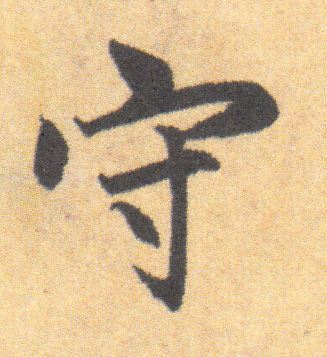
- Written words:Hold My Rhythm
- Writing Tips:When writing, intentionally slow down and maintain a uniform distance between strokes, so that the shape of the characters themselves becomes a visual and motor exercise for practicing a stable rhythm.







○ Rhythm Fluctuation Chart - Drawing Guidance Suggestions
Please draw a timeline that runs the entire page, dividing it into several segments to represent key rhythmic points in your day: waking up, first meal, start of work, lunch break, wrapping up, and settling in at night. Above each point, use color to depict your most common emotional state (bright colors indicate higher, dark colors indicate lower).
Once completed, you will see the correspondence between rhythmic disturbances and mood swings. Finally, circle the two times when you are most easily disturbed on the graph, and write down one small thing you can do to protect these two rhythmic anchors.
This diagram is not about "controlling fluctuations," but rather about helping you understand your own rhythm map so that you will never get lost in emotional ups and downs again.
Please log in before submitting your drawings and feelings.
○ 1246. Rhythm Awareness: Journaling Guidance Suggestions
① Write down the rhythm of your day that is most easily disrupted, and the emotional changes it usually brings.
② Record a rhythmic anchor point that you want to strengthen, and a simple ritual that you can set for it.
③ Write yourself a rhythm reminder so that you can return to the rhythm center when the next fluctuation comes.
Please log in to use.
Emotional fluctuations are not your fault; rhythm is the foundation you can rebuild. You are learning to let the structure of your life support your emotions, rather than being pushed around by them.
 EN
EN  ZH
ZH  ES
ES  FR
FR  JA
JA