

Lesson 1266: Treatment and Management of Borderline Personality Disorder
Duration:75 minutes
Topic Introduction:This course will explore the treatment and management of borderline personality disorder, focusing on psychotherapy, medication, and self-management techniques. Participants will learn how to design personalized treatment plans based on clinical presentations and help patients improve their symptoms through effective management strategies.
○ Treatment and management of borderline personality disorder
- Psychotherapy:The treatment of borderline personality disorder is mainly based on dialectical behavior therapy (DBT), which helps patients manage emotions, improve interpersonal relationships, and reduce self-harm behaviors.
- Drug treatment:Drug therapy can be used to relieve symptoms such as anxiety and depression. Commonly used drugs include antidepressants, mood stabilizers, etc.
- Self-management:Self-management techniques include emotion regulation, mindfulness meditation, and psychological education, which help patients improve their self-cognition, enhance their self-regulation ability, and reduce the occurrence of symptoms.
▲ AI Interaction: How to Treat and Manage Borderline Personality Disorder
The goal of treatment and management is to enable you to live with your emotions and gradually find balance.
Please write down three approaches you would like to try, such as therapy, a support group, or a routine.
Record one small act of self-care you accomplished today, like taking a break or drinking water.
Write down three people or resources who can provide support and whom you can contact when you need it.
Conclusion: Treatment is a journey, and every little record of each day is a footprint forward.
Click the button below to discuss the treatment and management of borderline personality disorder with AI, and learn how to help patients improve symptoms and enhance their quality of life through personalized treatment plans.
○ Treatment and management of borderline personality disorder · Music therapy
Treatment is like an ensemble, which requires the collaboration of different instruments to gradually make the melody complete.
Please play a light but steady piece of music and write down three ways of support you would like to try.
Record in the melody a small act of self-care you did today.
Write down three people or resources around you who can provide support.
Finally, write a sentence of encouragement for yourself, like a warm note at the end.
🍵 Chrysanthemum and wolfberry tea
Recommended reasons:Chrysanthemum and wolfberry tea is a traditional Chinese herbal beverage known for its heat-clearing and detoxifying properties, relieving eye fatigue, and calming the mind. Chrysanthemum effectively relieves headaches and dry eyes caused by emotional stress, while wolfberry nourishes the liver and kidneys and strengthens the immune system. Together, they help clear heat and toxins from the body and alleviate discomfort caused by anxiety and stress.
usage:Take 1 tablespoon each of chrysanthemum and wolfberry, place in a teapot, add hot water, and steep for 5-10 minutes. Drink 1-2 cups daily. This tea is especially suitable for those who spend a lot of time using their eyes or are under a lot of pressure, as it helps relax the eye and head muscles.
Black Sesame Beef Bone Soup
Collagen and minerals provide essential support for bones and muscles, while the unsaturated fats in black sesame nourish hair and skin and promote satiety and overall well-being. Ideal for those recovering from prolonged sitting, this meal helps gradually restore both physical and mental energy.
Healing Recipes
/home2/lzxwhemy/public_html/arttao_org/wp-content/uploads/cookbook/hei-zhi-ma-niu-gu-tang.html(Please confirm that the following has been uploaded: hei-zhi-ma-niu-gu-tang.html)🎨 Psychological Mandala
Psychological Healing: Psychological Mandala - Thoughts 23
Sometimes you're suddenly swept away by the past; a familiar word, a similar expression, and your heart is instantly transported back to old scenes. It's like ripples of memory spreading outwards within your heart. Try adding an extra layer of stable presence to the outer circle, reminding yourself: those things have already happened, and you are no longer the person you were then.
The trauma that is seen will slowly recede from the "present tense" back into the "past tense." Please gaze at this image three times.
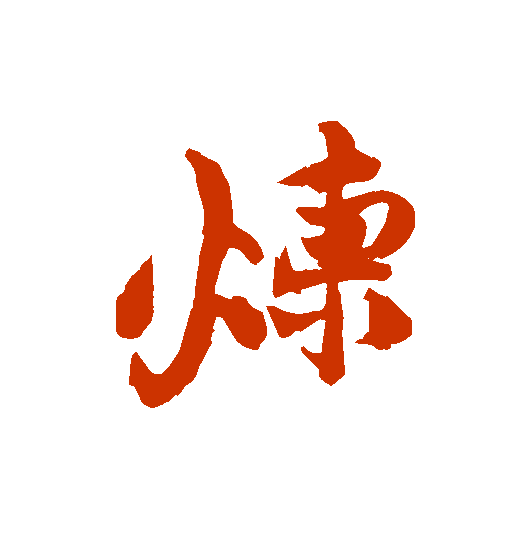
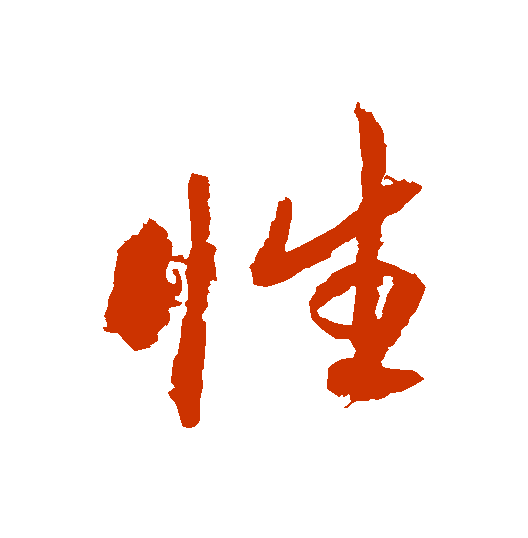
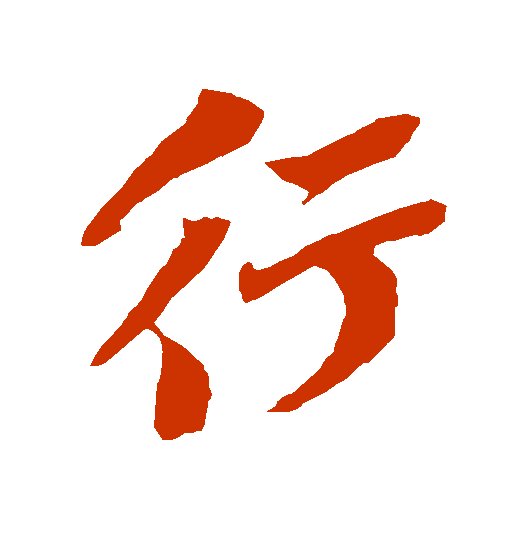
○ Chinese calligraphy – Running script
Running script lies somewhere between regular script and cursive script, boasting a fluid and dynamic structure, with continuous yet measured strokes. Its natural and unrestrained strokes, alternating between fast and slow, convey the writer's emotions and are well-suited for expressing inner thoughts. Practicing running script cultivates an inner sense of rhythm and emotional balance, helping the writer find peace of mind amidst the fluidity of the brushstrokes.
- Written words:
- Adjust your mind and temper your character to achieve long-term success
- Cultivate the Mind and Refine Character, Walk Steadily and Far
- Writing Tips:
- During treatment and management, practicing running script can help strengthen inner stability. When writing the phrase "Tune the Heart, Refine the Nature, and Walk Steadily for Far-Reaching Purpose," the strokes should be deep, steady, and forceful, fostering a lasting and peaceful state of mind.





○ Treatment and management of borderline personality disorder: guidance and suggestions for painting therapy
This course makes the long-term treatment and daily management of BPD into a visual tool: draw out "professional treatment - skill practice - crisis plan" to facilitate collaboration with your family/therapist. The goal is toReduce emotional storms, enhance stable connections, and increase self-compassion.
1. Collaborative Treatment Pathway (Doctor | Psychology | Self-Care)
- Draw three parallel paths: ① Psychiatry/psychiatric medicine (assessment, medication as prescribed) ② Psychotherapy (DBT/supportive/group) ③ Self-care (sleep/exercise/nutrition).
- Under each paragraph, write "My current schedule/frequency" (e.g., weekly group/monthly follow-up).
- Mark the "step that needs to be completed" with color and write a self-commitment next to it (such as "follow the doctor's instructions and do not stop taking the medicine on your own").
2. DBT Skills Quadrant Board (Mindfulness | Emotion Regulation | Interpersonal Effectiveness | Distress Tolerance)
- Draw a four-quadrant matrix: "Mindfulness" on the upper left (observe-describe-non-judgment), "Emotion Regulation" on the upper right (identify emotions, PLEASE physiological self-protection), "Interpersonal Effectiveness" on the lower left (DEAR MAN request/rejection), and "Pain Tolerance" on the lower right (STOP pause, ice/cold water, five senses grounding).
- In each box, write down two tricks that you would like to practice most, and draw corresponding small icons (eyes = mindfulness, heart = emotions, dialog box = interpersonal relationships, shield = tolerance).
- Write "Select 1 grid x 10 minutes every day" under the picture, and tick ✓ to form a "Skill Check-in".
3. Storm Plan and Boundary Contract (Trigger → Warning → Reduction → Request for Help)
- Draw four columns of cards: trigger point (being ignored/tone) | warning signal (heartbeat↑, impulsiveness) | reduction action (STOP, 4-2-6 breathing, leave for 2 minutes, express in writing or drawing) | help list (name/phone number/medical treatment point).
- Draw a small box next to the card for "boundary words": If-Then sentence (e.g.ifThe dispute escalated.SoI say "pause for 10 minutes").
- Mark the "red flag" box in the lower right corner: persistent despair/self-harm and other-harm thoughts/substance out of control/severe dissociation → write"Contact family and professional/emergency immediately".
Friendly reminder: Art therapy is an aid to self-observation and communication, and is not a substitute for professional diagnosis and treatment. If red flags appear or distress worsens, please immediately seek support from family, therapists, or local emergency resources; you deserve to be seen and supported.
Please log in before submitting your drawings and feelings.
○ 1266. Treatment and Management of Borderline Personality Disorder: Journal-Based Guidance Suggestions
① Write down three types of treatment (medication, psychology, group therapy) that you have tried or would like to try.
② Daily habits: Record whether you have maintained regular sleep and diet today.
③ Support system: List three resources or relationships that make you feel safe.
④ Self-practice: Write down a small healing action you are willing to complete today.
⑤ Risk plan: When your emotions get out of control, you can activate the channels for seeking help.
⑥ Conclusion: Treatment is a process, not an end. Please write down your affirmation for your persistence today.
Please log in to use.
By studying this course, you will be able to better understand the treatment and management of borderline personality disorder, and learn how to regulate emotions through Eastern healing methods such as tea drinking, diet therapy, and calligraphy to help yourself manage emotional fluctuations.
 EN
EN  ZH
ZH  ES
ES  FR
FR  JA
JA