

Lesson 1249: Life Structure Training: Establishing a Predictable Daily Rhythm
Duration:75 minutes
Topic Introduction:
In cyclothymic mood disorders, hypomania and depression are often closely related to an unstable daily rhythm. Disorganized daily routines, irregular sleep and eating habits, and tasks driven by emotions can all disrupt the psychological rhythm, amplifying mood swings. This course will guide you in establishing a reliable, predictable, and repeatable life framework—not to make life rigid, but to provide a stable "anchor" for your body and mind. Structured training is not about forcing yourself, but about reducing the control of emotions over behavior through an orderly daily routine (fixed wake-up time, stable task blocks, emotionally friendly transitions, and gentle closing rituals), allowing you to regain control of your rhythm. Within this structure, you will discover faster than you imagine: as your daily rhythm stabilizes, the high-low-high-low mood swings smooth out, and life begins to feel more directional, orderly, and reliable.
○ Key elements of structured training
- Fixed block system:Divide the day into three main blocks (morning start, daytime progress, and evening finish).
- Emotional transition exercises:A 3–5 minute “rhythmic stabilization action” is scheduled between each block.
- Task priority synchronization:Reduce the number of tasks to a "realistic, achievable amount" to avoid over-committing during the euphoric phase.
- Life Anchor Points:Establish one or two consistent activities each day (such as morning sunlight, warm water, and light exercise) as the central axis of your circadian rhythm.
▲ AI Interaction: Design Your "Structured Day"“
Divide your day into three blocks and write down the most important thing to do in each block.
Write down a rhythmic anchor point that you are willing to stick to (diet, sleep, morning walk).
Write down the "unstable behavior" you fear most, and record an alternative.
○ Rhythm Stabilization · Music Therapy
Choose a piece of music with a gentle rhythm and clear structure, and play it during the day's block transitions.
Let your ears establish the rhythm first, then let your body follow the rhythm, and finally let your mind return to the rhythm.
Music is the gentlest "transitional ritual".
Warm Milk & Golden Milk: Healing
Recommended reasons:Drinking golden milk at the end of the day can help the body return to a stable rhythm from a chaotic day, reduce the lingering excitement of the hypochondriac phase, and soothe the heaviness of the depressive phase.
How to drink:Simmer turmeric, cinnamon, and warm milk together as a gentle way to end a structured day.
○ Kosher Cleansing Energy Soup - Rhythm Stabilizing Support
Soups made with clean ingredients according to Kosher guidelines (such as carrots, chicken breast, onions, and whole grains) provide steady energy without being stimulating or causing sudden spikes.
Suitable for both "morning start" and "evening finish" sessions, allowing your sense of rhythm to be gently rebuilt starting with your diet.
Clean food
Long-term adherence
Healing Recipes
/home2/lzxwhemy/public_html/arttao_org/wp-content/uploads/cookbook/kao-ji-xiong-rou-quan-mai-mian-bao.html(Please confirm that the following has been uploaded: kao-ji-xiong-rou-quan-mai-mian-bao.html)
Psychological Mandala
Psychological Healing: Psychological Mandala - Thoughts 07
When observing a mandala, you'll notice the contrast between the complexity of the outer circle and the order of the center. Life is similar: the more chaotic the outer circle, the more you need the stability of the center; the more the external world pushes you out of control, the more you need to return to your own axis. Simply observe, simply breathe, without interpreting any meaning. The act of observing itself is a structured form of rhythmic training.
View the mandala three times to realign your inner rhythm.
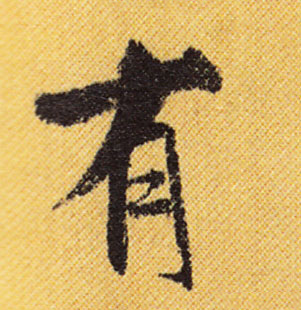
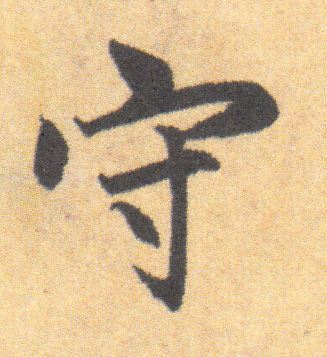
○ Medieval Gothic Script
The Gothic structure is compact and has a stable center of gravity, much like a well-organized day.
- Written words:My Day Has a Rhythm
- Writing Tips:Keeping the strokes thick but even symbolizes that you are establishing a stable and predictable life structure.






○ Drawing Guide: Your "Structured Day" Map
Draw a circle on a piece of paper and divide it into three equal parts, representing the three blocks of a day.
Write down the rhythmic anchors you consider most important in each block (e.g., drinking warm water upon waking, taking a midday walk, and a nighttime slowing-down ritual).
Paint the outermost ring with color to represent your ideal sense of rhythm: gentle, even, and sustainable.
This circular diagram will serve as a visual guide for your "rhythm reconstruction," allowing you to return to order and stability every day.
Please log in before submitting your drawings and feelings.
○ 1249. Suggestions for Structured Rhythm and Log Guidance
① Write down the most chaotic time of your day.
② Write down one rhythmic behavior that you are willing to consistently maintain.
③ Imagine what changes would occur once your day settles down?
Please log in to use.
When life has structure, emotions can gradually return to a stable track. May your rhythm become reliable, and may you find peace of mind in order.
 EN
EN  ZH
ZH  ES
ES  FR
FR  JA
JA