

Lesson 1277: Core Schemas: Shame, Rejection, and Feelings of Worthlessness
Duration:75 minutes
Topic Introduction:
In the fluctuations of cyclothymic mood disorder, many emotions don't originate from the "present event," but are triggered by deeper core schemas: any fluctuation automatically leads to the old trap of "I'm terrible," "I'll definitely be hated," and "I don't deserve to be loved." This course focuses on three common negative core schemas—shame, rejection, and feelings of worthlessness—to help you see why you feel utterly humiliated by even minor setbacks during hypomania, and why even the slightest indifference during depression feels like complete rejection; why a casual remark from someone can become evidence that they will leave you sooner or later. Through concrete examples and exercises, we will guide you to identify your core sentences, learn to rewrite old schemas with more realistic language, and gradually dismantle the internal judgment of "I'm inherently flawed" in relationships, work, and self-dialogue.
What is a "core schema"?
- Early-formed "underlying beliefs":These feelings often stem from childhood experiences of being judged, disciplined, or ignored, which over time become the default conclusions one makes about oneself.
- Automatic startup:When faced with similar situations (such as being rejected, misunderstood, or compared), old schemas quickly resurface and influence emotional interpretation.
- Impact on self-worth:It makes it hard for you to see a failure as an event, but rather as proof that "I am useless".
○ The manifestations of shame, rejection, and worthlessness in cycloplegic mood
- Hypo-hysterical phase:Beneath their outward confidence lies a deep-seated shame of "not being able to make mistakes," leading to extreme embarrassment and intense emotional reactions when a problem is pointed out.
- Low period:They easily interpret any coldness as "the other person hates me" or "I have no value," which exacerbates depression, self-blame, and withdrawal.
- Relationship fluctuations:Swinging between being cared for and being ignored, every setback is interpreted as reinforcing evidence that "I am not worthy".
○ Three steps to loosen the core schema
- Awareness of the core sentence:Write down those recurring self-evaluations, such as "It's all my fault" or "I'm destined to be abandoned."
- Real-world testing:Ask yourself: Is this statement a fact, or just a habitual interpretation? Is there any evidence to the contrary?
- Rewritten in a milder version:For example, change "I am utterly useless" to "I am still learning in some areas, but that does not mean I am utterly useless."
▲ AI Interaction: Find your "core sentence" and try rewriting it.
Tell the AI: When you have an emotional breakdown or feel guilty, what is the one or two sentences that most often pop into your head to describe yourself or others?
You can simply write:
- Typical self-evaluation sentences (e.g., "I'm a nuisance" or "Everyone will leave me");
- The most recent specific situation that triggered these thoughts.
AI will assist you:
- It helps you identify whether this is a core schema of "shame, rejection, or worthlessness";
- Together, we can write one or two more realistic, yet gentler versions for you.
- Compile these rewritten sentences into a "mini support card" for your use during periods of volatility.
○ Soothing core shame: Music therapy
When feelings of shame and worthlessness are triggered, many people instinctively want to "hide," and their bodies may react with sensations such as wanting to curl up, chest tightness, and flushed face. At this time, it is advisable to choose music with a gentle range, not too high-pitched, and simple, repetitive melodies to gradually calm the tense nerves.
Suggested practice method:
- Find a place where you can lean back slightly, play some music, and gently place your hands on your chest or abdomen.
- With each exhale, silently repeat in your mind, "I am not just left with mistakes."“
Music doesn't demand that you forgive yourself immediately; it simply helps you retreat from "complete denial" to "allowing yourself to live in the present moment."
○ Eastern Healing Tea: Rose and Red Date Warming Tea
Recommended reasons:Roses soothe depression and harmonize emotions, while red dates replenish qi and blood. The combination of the two can bring a soft, warm sense of comfort after intense shame and self-blame. It's perfect for brewing yourself a cup when you feel like disappearing or afraid to see anyone.
usage:Steep 3-5 dried rosebuds and 2-3 pitted red dates in hot water for about 8 minutes. Before drinking, smell the aroma three times, reminding yourself: "At this moment, I am caring for a wounded self, not judging myself." Each small sip is a gentle practice of "I am valuable."
○ Pumpkin and Millet Soup
Pumpkin is sweet and rich in fiber, millet strengthens the spleen and stomach and calms the nerves. With a small amount of red dates and lilies, it can provide the body with a warm, delicate and non-overburdening source of energy after a long period of self-blame and emotional depletion.
When the thought of "I am worthless" makes you lose all interest, this kind of soup is like a gentle reminder: even if you feel unworthy right now, your body still deserves to be fed and cared for.
Strengthen the spleen and calm the mind
Soup therapy
Healing Recipes
/home2/lzxwhemy/public_html/arttao_org/wp-content/uploads/cookbook/hei-dou-shu-cai-tang.html(Please confirm that hei-dou-shu-cai-tang.html has been uploaded)
Psychological Mandala
Psychological Healing: Psychological Mandala Imagery 17
A mandala is not about drawing something, but about observing it.
Imagine a mandala: the outer circle has some darker colored blocks with words like "shame," "rejection," and "worthless" written on them; as you move towards the inner circle, the colors gradually soften, and the words blur into lines, until finally only a small dot of light remains in the center.
Please observe this image quietly, following your gaze from the darker colors on the outer edge to the light spot in the center.
I whispered to myself, "Those words hurt me, but they don't define me as a whole."“
There's no need to defend yourself; you just need to allow yourself that beneath these labels, there's still a self that's breathing and moving forward.
It is recommended to watch Mi Xiangwen 2-3 times when you feel the most ashamed, so that your eyes can first bring you back from the "label" to the "light".
○ Chinese Calligraphy - Running Script
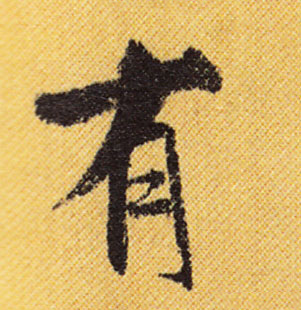
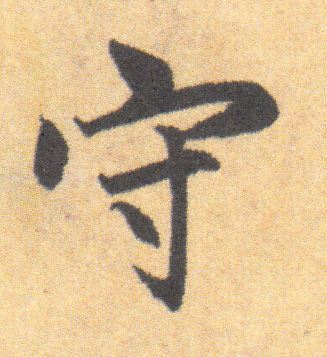
The lines of running script are imperfect yet full of life, making it a great exercise to counter the "perfect or worthless" paradigm. The weight, speed, and trembling of each stroke are allowed to exist and are not considered failures.
In writing, you are practicing allowing yourself to be imperfect, yet still a complete person.
- Written words:“"Still valuable", "More than just mistakes", "Allow imperfections".
- Writing Tips:Intentionally retain some minor jitters or irregularities, and instead of modifying them, focus your attention on the overall flow of the line.
- Practice method:When feelings of self-blame and shame are at their peak, write down "still has value," letting your hand make a different choice for your brain.






“`
○ Drawing Guide: Labels and the Real Me
Draw a long, vertical rectangle on the left side of the paper, like a bulletin board, and write down the negative labels you often attach to yourself: such as "trouble," "failure," "redundant," "not good enough," etc.
Draw a rectangle of the same size on the right side of the paper, leaving it blank without writing anything. First, draw only soft colors or simple lines to symbolize "me who is still being recognized".
Then, please look only at these two areas: on the left are the old labels that have been repeatedly attached, and on the right is yourself, which has not yet been fully named but truly exists.
If you wish, you can gradually add one or two qualities that you want to be seen on the right, such as "hard-working," "sensitive," or "empathetic."
After finishing the drawing, do not judge whether it is right or wrong, just look at the whole picture yourself, and allow "old labels" and "new perspectives" to coexist.
Please log in before submitting your drawings and feelings.
“`
○ 1277. Core Schemas: Shame, Rejection, and Feelings of Worthlessness · Journaling Guidance Suggestions
① Write down the three negative things you most often say to yourself.
② For each sentence, find at least one true example that is the opposite of or does not completely match it.
③ Write a new, milder version of one of the sentences that you can accept, and read it silently three times at the end of your diary.
Please log in to use.
As you gradually see and rewrite these core schemas, you are also building a new, gentler yet more powerful self-narrative for yourself.
 EN
EN  ZH
ZH  ES
ES  FR
FR  JA
JA