

Lesson 1281: An Overview of Disruptive Mood Disorders
Duration:75 minutes
Topic Introduction:This course will introduce the basic concepts, symptoms, and diagnostic criteria of Disruptive Mood Dysregulation Disorder (DMDD). Participants will understand the clinical manifestations, causes, and risk factors of this disorder, and learn how to assess and manage it.
○ Overview of disruptive mood disorders
- Symptoms:Disruptive mood dysregulation disorder is characterized by persistent irritability and emotional outbursts, typically beginning during childhood or adolescence. Symptoms include frequent emotional outbursts, marked irritability, and excessive reactions to everyday stimuli.
- Diagnostic criteria:According to the Diagnostic and Statistical Manual of Mental Disorders, Fifth Edition (DSM-5), a diagnosis of DMDD requires persistent symptoms of mood swings and extreme irritability, typically occurring in children under the age of 12.
- Evaluation Methodology:Assessment of disruptive mood dysregulation disorders is typically done through clinical interviews, parent or teacher reports, and psychological assessment tools.
▲ AI Interaction: How to Identify Symptoms of Disruptive Mood Disorders
Disruptive mood disorders often develop in childhood, characterized by frequent and severe emotional outbursts. These aren't the child's fault; they're simply not yet learned how to regulate themselves. Understanding this is the beginning of healing.
Please record your child's three most obvious mood swings in the recent past, including the triggering scenes. Observing them like a map can help you find patterns more quickly.
Write down the feelings you fear most during an outburst and a sentence to comfort yourself. This is a gentle exercise in protecting yourself.
Conclusion: Understanding this disorder is not about labeling, but about learning to grow with your child.
Click the button below to discuss with AI how to accurately identify disruptive mood disorders through clinical manifestations and symptom assessments, and learn how to manage and cope with the disease.
○ Overview of disruptive mood disorders and music therapy
These emotional outbursts are like sudden drumbeats, coming on quickly and receding just as quickly. Play a gentle, steady melody, letting the beat become a safe boundary, reminding us to slowly let go of our tension.
As I listened, I wrote down the beginning and end of the most recent outbreak: when, where, and why it occurred. Like recording a musical phrase, it gave the chaos a visible shape.
Prepare transition sounds for your child: three small things that can quickly calm them down, such as drinking warm water, getting a hug, or quietly counting beats. Use music as the foundation and movement as the anchor.
Write a comforting message to yourself: "I am learning to become better together." Repeat it with a melody to help you remember this kindness.
Record today's small progress in the music, even if it's just being ten seconds faster and quieter. Healing is like practicing the piano, it accumulates over time.
🍵 Red Date and Longan Tea
Recommended reasons:Red date and longan tea is a popular Chinese herbal beverage known for its nourishing effects on blood and qi, calming the mind and promoting sleep. The combination of red dates and longan can help alleviate symptoms such as insomnia and loss of appetite caused by anxiety and depression, while also improving blood circulation and boosting immunity. This drink is ideal for those experiencing physical weakness or depression.
usage:Place 10 red dates and 5 longans in a pot, add an appropriate amount of water, and boil for 20 minutes. Drink this once a day, especially at night, to help soothe your mood and promote sleep.
○ Ginkgo and Lily Duck Soup
It moisturizes the lungs and soothes the mind, is nourishing but not greasy, and is suitable for people with dry mouth, nose and throat and tired voice. It gently replenishes water and inputs energy at the same time. Drinking it at night is more conducive to relaxation and refreshment the next day.
Healing Recipes
/home2/lzxwhemy/public_html/arttao_org/wp-content/uploads/cookbook/yin-xing-bai-he-lao-ya-tang.html(Please confirm that the file has been uploaded: yin-xing-bai-he-lao-ya-tang.html)🎨 Psychological Mandala
Psychological Healing: Psychological Mandala Imagery 24
Perfectionism is like a fine ruler, constantly measuring every detail in your mind, magnifying even the slightest deviation into a failure. You're pulled so tight by this ruler that you almost forget to breathe. Now, place a soft buffer zone next to this precise ruler, so that even "imperfections" can be gently supported and no longer fall.
Perfection isn't a prerequisite; sincerity is. Please watch this 3 times.
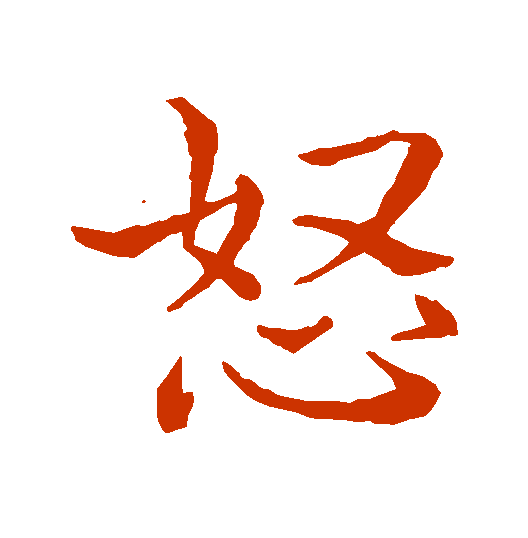
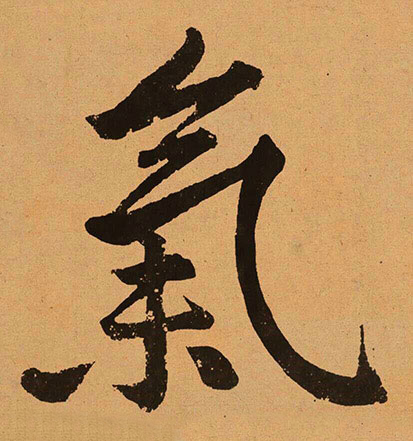
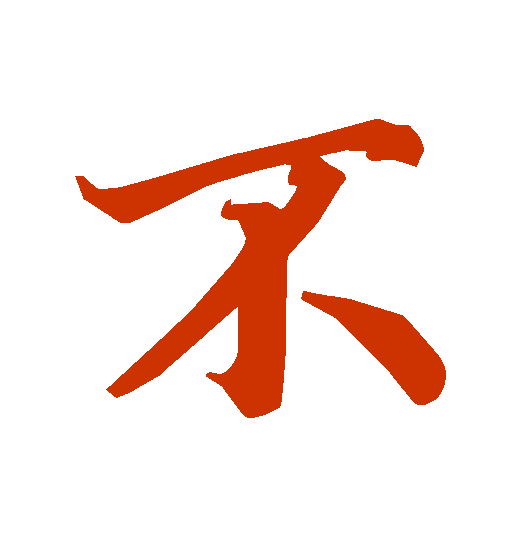
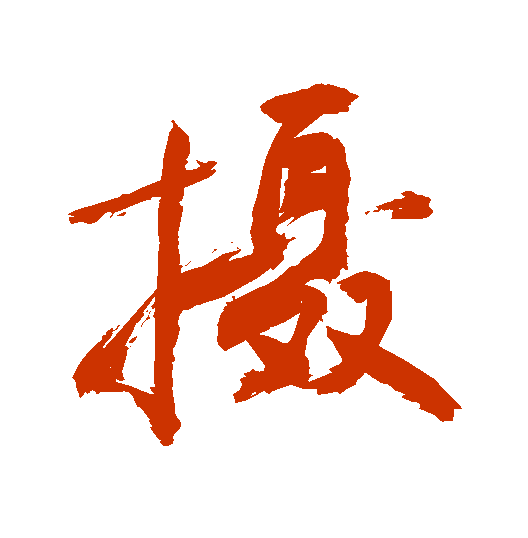
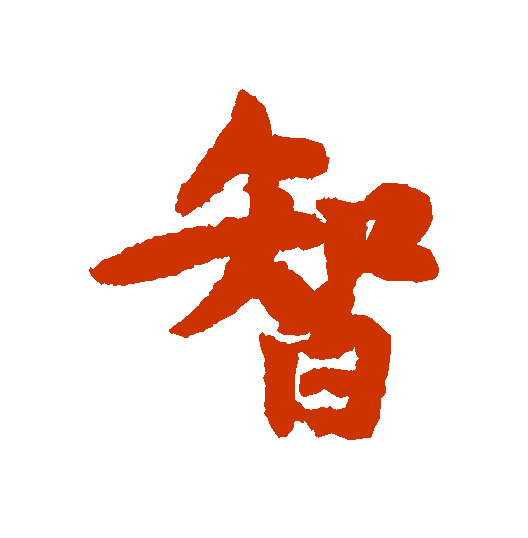
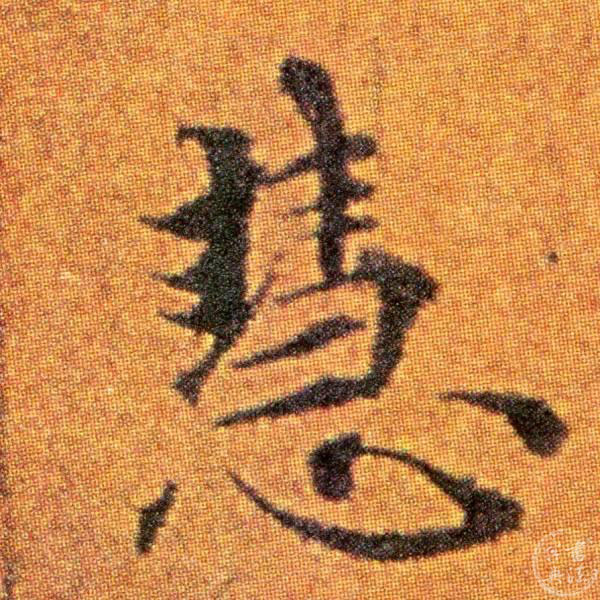
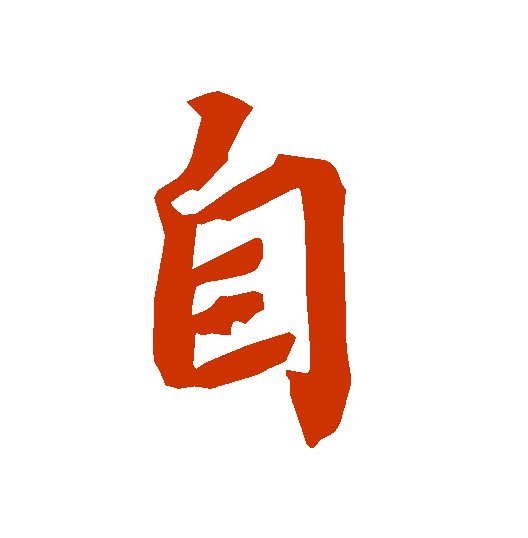
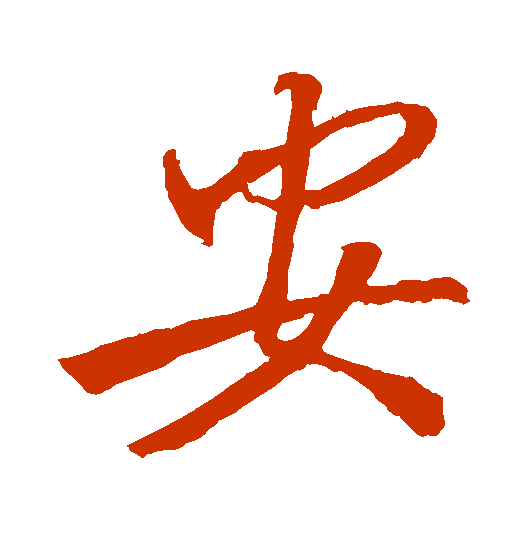
○ Chinese calligraphy – Running script
Running script lies somewhere between regular script and cursive script, boasting a fluid and dynamic structure, with continuous yet measured strokes. Its natural and unrestrained strokes, alternating between fast and slow, convey the writer's emotions and are well-suited for expressing inner thoughts. Practicing running script cultivates an inner sense of rhythm and emotional balance, helping the writer find peace of mind amidst the fluidity of the brushstrokes.
- Written words:
- Don’t control your anger, be at peace with wisdom
- Unchecked Anger Yields to Inner Wisdom and Peace
- Writing Tips:
- Disruptive mood disorders often manifest as uncontrolled anger. When writing the phrase "Anger is not controlled, wisdom is at peace," use a slow, steady, and gentle brushstroke. This practice can help calm anger and cultivate a calm mindset.
○ Overview of disruptive mood disorders: Suggestions for guiding painting therapy
This course helps students understand the basic characteristics of disruptive mood disorder (DMDD) through the method of drawing therapy. This disorder is more common in children and adolescents, and its main manifestations areChronic and severe irritability and frequent outbursts of angerDrawing exercises can help visualize these symptom patterns and aid observation and communication.
1. Emotional Volcano Chart
- Draw a volcano: crater = angry eruption; mountain body = gradually accumulated irritability and sensitivity; foot of the mountain = triggered by small daily events.
- Write down “common accumulation factors” on the mountain (e.g., academic pressure, neglect).
- Write a reminder next to the volcano: "Eruptions often come from long-term accumulation."
2. Anger Thermometer
- Draw a 0–10 thermometer: 0 = calm, 10 = outburst.
- Write down typical behaviors on different scales (e.g., 3 = impatient, 6 = talking back, 9 = yelling/throwing things).
- Draw small icons next to the scale to mark possible intervention methods (deep breathing, leaving the scene, expressing with a brush).
3. Situation-Response Map
- Draw a flowchart: triggering situation → internal feeling (tension/anger) → behavioral response (outburst/aggressive words and actions).
- Draw a fork next to the arrow: write "Automatic Response" on one side and "Alternative Behavior" on the other.
- In the alternative action branch, write: "Draw it first, then decide how to act."
Friendly reminder: Disruptive mood disorders often require professional assessment and intervention. Art therapy can help identify and express emotions, but it is not a substitute for medical or psychological treatment. If angry outbursts are frequent or severe, please seek professional support immediately.
Please log in before submitting your drawings and feelings.
○ 1281. Overview of Disruptive Mood Disorders • Journaling Guidance Suggestions
① Today's Map: Recall the three most pronounced emotional storms of the past week and write down the time, location, and triggers. Making "seeing" the first step will give the chaos boundaries and direction.
② Peak to drop: record the three stages of an outbreak - heating up, highest point, and relaxation, and write down a physical signal that appears for each stage, such as heartbeat, breathing, fist clenching, and the desire to hide.
③ Gentle boundaries: List three small things that the child and caregiver can do right now, such as lowering the volume, reducing onlookers, and giving multiple-choice questions, to help the situation return to control.
④ Safety Checklist: Organize three resources: emergency contacts, quiet corners, and transfer activities, and post them in an easily visible place. You can activate them in case of emergencies without having to panic.
⑤ Review the words: Rewrite "Why are you like this again" into "You are uncomfortable, I am here" and "Let's breathe together first", save them as common sentences to reduce accusations and confrontation.
⑥ Micro-Progress: Write down the smallest improvement you made today, even if it's just being quicker or quieter for ten seconds. These cumulative steps will quietly change tomorrow.
⑦ Conclusion: Disabilities are not labels for “bad kids”, but signals that they need to be taught and accompanied.
Please log in to use.
By studying this course, you will be able to better understand the overview of disruptive mood disorders and learn how to regulate emotions through Eastern healing methods such as tea drinking, diet therapy, and calligraphy to help yourself and others better manage mood swings.
 EN
EN  ZH
ZH  ES
ES  FR
FR  JA
JA