

Lesson 1285: Treatment Methods for Disruptive Mood Disorders
Duration:75 minutes
Topic Introduction:This course will introduce the treatment options for disruptive mood dysregulation disorder (DMDD), including medication, psychotherapy, and lifestyle modifications. Participants will learn how to manage this disorder through a comprehensive treatment approach, alleviate symptoms, and help patients regain emotional stability.
○ Treatment of disruptive mood disorders
- Drug treatment:Commonly used medications include antidepressants and mood stabilizers, such as selective serotonin reuptake inhibitors (SSRIs) and mood stabilizers, which are used to control mood swings and inhibit impulsive behaviors.
- Psychotherapy:Cognitive behavioral therapy (CBT) and emotion regulation training help patients recognize and manage emotional reactions and improve coping strategies for stress.
- Lifestyle improvements:Stabilize emotions and improve patients' overall health through regular sleep and rest, healthy diet, moderate exercise and relaxation techniques.
▲ AI Interaction: How to Help Patients Treat Disruptive Mood Disorders
Treatment usually includes psychotherapy, family support, and, if necessary, medication. The goal is not to change the child's personality but to make emotions more manageable.
Please write down three ways of support you would like to try, such as parent-child communication, a regular schedule, or professional consultation.
Record every day any progress your child shows, even if it's just a quicker recovery.
Conclusion: Treatment is companionship and practice. Slowly, the child will learn to express himself more softly.
Click the button below to discuss with AI effective methods for treating disruptive mood disorders and learn about the combined use of medication and psychotherapy.
○ Treatment methods for disruptive mood disorders · Music therapy
Treatment may include emotion training, parental guidance, and medication if necessary. Like track repair, every track counts. Music provides a stabilizing background and reduces tension.
Choose three "daily exercises": a wake-up song, a study song, and a bedtime song. Play them at regular times to develop a sense of rhythm.
Write down a successful "delayed burst": what you did and how your child cooperated. Success is recorded and easier to repeat.
Agree on homework with a professional: practice only one small goal a week to ensure it is feasible.
Conclusion: Treatment is a long-distance race, only with a steady rhythm can your steps be steady.
🍵 Orange Blossom Tea
Recommended reasons:Orange blossom tea is popular for its soothing and anxiety-relieving properties. The aromatic components of orange blossom help relax the body, clear negative emotions, and regulate mood swings.
usage:Take 2-3 dried orange blossoms, add them to hot water, and let them steep for 5-10 minutes. Drink this every night or during meditation to help you relax and relieve insomnia caused by anxiety and stress.
○ Spiced Tuna
With high-quality protein and Omega-3 as its core, the mild flavor enhances appetite and focus, while delivering a smoother energy release. Perfect for training sessions and high-pressure workdays, this cardiovascular-friendly drink is filling without feeling heavy.
Healing Recipes
/home2/lzxwhemy/public_html/arttao_org/wp-content/uploads/cookbook/xiang-liao-jin-qiang-yu.html(Please confirm that the following has been uploaded: xiang-liao-jin-qiang-yu.html)🎨 Psychological Mandala
Psychological Healing: Psychological Mandala - Thoughts and Reflections 28
Jealousy can sometimes make you feel ashamed. Even when you're happy for someone else, you still feel a pang of jealousy. You hide that jealousy deep in the corner of your heart, pretending it doesn't exist. Actually, it's just that the voice of "I want it too" hasn't been heard for too long, and you see your own longing in the light of others.
Jealousy is the shape of a desire for recognition that has not yet been given. Please gaze at this image three times.
○ Chinese calligraphy – Running script
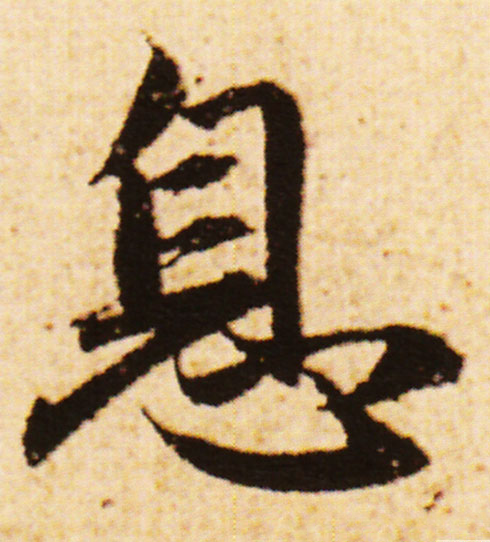
Running script lies somewhere between regular script and cursive script, boasting a fluid and dynamic structure, with continuous yet measured strokes. Its natural and unrestrained strokes, alternating between fast and slow, convey the writer's emotions and are well-suited for expressing inner thoughts. Practicing running script cultivates an inner sense of rhythm and emotional balance, helping the writer find peace of mind amidst the fluidity of the brushstrokes.
- Written words:
- Regulate your breathing and cultivate your temperament, and achieve peace of mind and long-term goals
- Regulate Breath and Temperament, Let the Heart Rest and Reach Far
- Writing Tips:
- During treatment, cursive script can assist in emotional balance training. When writing "Regulating Breathing, Nourishing Mind, and Achieving Far-reaching Aspirations," the brushstrokes should be gentle and steady, cultivating a lasting inner peace.







○ Treatment methods for disruptive mood disorders: Suggestions for guidance on painting therapy
This page uses creative drawings to visualize the main treatments for disruptive mood dysregulation disorder (DMDD).Comprehensive intervention: medication adjustment, psychotherapy, family support, and emotion trainingDrawing exercises can make complex treatment pathways more intuitive and help students find their own management methods.
1. Therapeutic Jigsaw Puzzle
- Draw a circular puzzle with four pieces: ① drug treatment (doctor's guidance) ② psychotherapy (CBT/emotion regulation training) ③ family support (communication/understanding) ④ self-regulation (breathing/painting expression).
- Write your own resources or plans in each block and fill in the completed parts with color.
- Write "Puzzle = Steady State" in the center of the puzzle.
2. Emotional Training Ladder
- Draw a ladder: write "awareness signals" (recognizing heartbeat/tension) on the bottom level; write "short-term adjustment" (breathing/counting/leaving the scene) on the middle level; write "long-term skills" (mindfulness/exercise/art) on the top level.
- Write down the step you are practicing on the ladder.
- Reminder: "Climbing the ladder = gradually improving regulatory ability."
3. Family Support Bridge
- Draw a bridge: left bank = "me", right bank = "family".
- Write on the bridge piers the ways of support: listening, joint activities, and positive feedback.
- Write "Communication = Connection" in the middle of the bridge and draw the words of support you hope your family will give you (such as "understanding" and "accompaniment").
4. Review and Summary (three lines)
Please write in the blank space on your drawing:
- The piece of the "healing puzzle" I need most is: ______
- On the "Emotion Ladder," the step I practiced today was: ______
- In the Family Support Bridge, the kind of support I most want to receive is: ______
Friendly reminder: Treatment for DMDD requires long-term, comprehensive intervention. Drawing can aid self-awareness and expression, but it cannot replace professional treatment. If outbursts become frequent or severe, please seek psychological and medical support promptly.
Please log in before submitting your drawings and feelings.
○ 1285. Treatment methods for disruptive mood disorders: Journaling guidance suggestions
① Path list: There are four categories: behavioral training, parent-child communication, classroom support, and necessary medication. Write down a specific step and arrangement that you are willing to try for each category.
② Single-point practice: This week, choose only one small goal (such as "identify three signals before an outbreak"), practice once a day, and record the achievement rate and experience.
③ Scenario rehearsal: Write down the situations that may be triggered tomorrow, and design “prompts + actions + exit routes” in advance to reduce panic on the spot.
④ Reinforcement mechanism: Replace every small progress with stickers or free time to help children experience “I can do it”.
⑤ Synchronous school: Give teachers a "support card" to explain the trigger points, effective prompts and quiet corner locations to maintain consistency.
⑥ Caregiver care: Give yourself some time to recover every week. Stable people can better stabilize their children and the classroom.
⑦ Conclusion: Treatment is like an etude, slow and accurate, and will eventually be in tune.
Please log in to use.
Through this course, you will be able to better understand the treatment methods for disruptive mood disorders and learn how to regulate emotions through Eastern healing methods such as tea drinking, diet therapy, and calligraphy to help yourself and others better manage emotional fluctuations.
 EN
EN  ZH
ZH  ES
ES  FR
FR  JA
JA