

Lesson 129: Over-monitoring of Heartbeat and Breathing
Duration:70 minutes
Topic Introduction:
One of the most common mechanisms in panic disorder and high anxiety is excessive focus on bodily signals such as heartbeat, breathing, chest tightness, and dizziness.
The more you focus on it, the more obvious it becomes; the more obvious it becomes, the more afraid you are; the more afraid you are, the stronger your body's reaction will be.
This lesson will guide you through understanding how this "over-surveillance" forms, why it cycles, and how to shift your focus from danger scanning to life itself.
Why am I always "staring at my own body"? (Core Knowledge)
- Amygdala hypervigilance:The brain misinterprets normal physiological responses as danger signals.
- Catastrophizing explanations:A rapid heartbeat equals a heart attack? Shallow breathing equals fainting?
- “The symptoms are caused by the surveillance itself:The more closely you watch, the more tense your body becomes, and the more obvious the symptoms become.
- The amplification effect of early experiences:An unpleasant experience → recorded by the brain → causing panic when encountering similar feelings in the future.
Lesson 129: Over-monitoring of Heartbeat and Breathing (Click to listen to the reading, view the content)
During the recovery process from panic and anxiety, many people gradually fall into a seemingly rational coping mechanism: constant monitoring of their heart rate and breathing. You might constantly feel whether your heart rate is increasing, your breathing is smooth, or if there's anything unusual in your chest. This monitoring is often initially for self-protection, but over time, it becomes a significant factor in maintaining fear. The problem with over-monitoring isn't that you're paying attention to your body, but that the way you pay attention becomes a constant vigilant scan. When the brain is constantly asked to check internal signals, it assumes these signals must be dangerous, so the alarm system is always half-activated. Heart rate and breathing are highly dynamic physiological processes that naturally change with posture, emotions, and activity levels. However, under monitoring, any tiny fluctuation is amplified and quickly interpreted, such as "Is another attack about to occur?" or "Is this a sign of loss of control?" This interpretation immediately affects the body, making the heart rate more unstable and breathing more tense, thus validating the initial fear and creating a self-confirming cycle. It needs to be understood that monitoring doesn't actually improve safety; instead, it reduces the body's self-regulating ability. When you constantly interfere with breathing rhythms or repeatedly measure your heart rate, the brain struggles to learn the important experience that the body can naturally calm down. The first step in over-monitoring is distinguishing between awareness and surveillance. Awareness allows the body to exist in the background, while surveillance constantly pulls it to the forefront to check the results. You can practice shifting your attention from specific numbers to overall feelings, such as whether you are tense or relaxed right now, rather than your heart rate. The second step is to allow uncertain fluctuations. A faster heartbeat doesn't need to be corrected immediately, and shallow breathing doesn't indicate danger. When you stop trying to fix them immediately, the system is more likely to regain balance. The third step is to redistribute your attention to external reality, using actions, environment, sounds, and touch to distract yourself from the continuous internal scanning. It's important to understand that stopping over-monitoring doesn't mean ignoring your body, but rather rebuilding trust. When you give your body space instead of constantly watching it, it will gradually prove itself reliable. Every time you experience discomfort without checking your heart rate and breathing, you are weakening the grip of fear on your attention. True security doesn't come from constant reassurance, but from the feeling that you can be safe and sound without being constantly watched.
▲ AI Interaction: What kind of physical signal are you most afraid of?
Heartbeat? Breathing? Chest tightness? Or the feeling of "about to lose control"?
The body's signals themselves are not dangerous; it is your interpretation of them that makes them seem frightening.
We can work together to dismantle the old paradigm that "focus equals danger".
Excessive monitoring puts the body in a state of tension, while music can help rebuild a sense of rhythm and security.
Choose music with a steady, slow tempo to help your brain shift from scanning to immersion.
○ Eastern Healing Tea: Tangerine Peel Pu-erh
Recommended reasons:The warm, calming fragrance can reduce chest tightness and soothe tense breathing.
practice:After waking the tea, brew it with hot water at 90–95℃, slowly smell the aroma, then sip it gently, allowing your breathing to deepen naturally.
○ Gentle Nutrition: Corn Pumpkin Gentle Soup
When the heart becomes hardened and cold due to defense, the body needs a natural "softening agent".
The sweetness of corn blends perfectly with the creamy texture of pumpkin, creating a gentle, warm, golden broth.
Every sip of the smooth broth gently soothes your tense stomach and heart, helping you to shed your armor and rediscover the softness within you.
Naturally sweet
Warm comfort
Open Recipe
◉ Gentle Nutrition: Corn and Pumpkin Soup (ID 129)
Corn and Pumpkin Soup is a comforting soup with a warm color, delicate texture, and a slightly sweet aroma. Pumpkin provides a soft and smooth base, while corn brings a natural grain aroma and a light sweetness. When blended into a thick soup, it feels "enveloping" without being heavy or cloying. It's perfect for evenings when you're feeling down, tired from work, or want to treat yourself gently, or as the main ingredient in a simple, light meal.
Soft and sweet Light and filling Soothe emotions
I. Recommended Dietary Therapy and Reasons
Recommended dishes:Corn and Pumpkin Soup (ID 59)
Recommended reasons: Pumpkin is rich in dietary fiber and beta-carotene, making it a suitable light energy source; corn's natural sweetness and grain aroma can reduce reliance on extra sugar. When both are cooked until soft and blended into a thick soup, the overall texture is smooth and gentle on the stomach, making it ideal for when you don't feel like eating rice or other staple foods but don't want to be on an empty stomach. For those under stress, recovering, or simply wanting to "treat yourself to a meal," this is a gentle soup that benefits both body and mind.
2. Recipe and Method
Recipe (1–2 servings):
- 200–220 g pumpkin (peeled, seeded, and cut into chunks)
- 60–80 g of sweet corn kernels (fresh or frozen corn kernels can be used)
- 1/8–1/6 of an onion (chopped)
- 550–650 ml of water or vegetable broth
- 40–60 ml of milk or unsweetened plant-based milk (optional, to increase smoothness)
- 1 teaspoon of olive oil or a small amount of butter (optional)
- a pinch of salt
- A pinch of white pepper (optional)
practice:
- Peel and deseed the pumpkin and cut it into small pieces. Wash and drain the corn kernels. Chop the onion and set aside.
- Add a small amount of olive oil or butter to a small saucepan and sauté the onions over low heat until they become translucent and soft.
- Add pumpkin chunks and corn kernels, stir-fry briefly for 1–2 minutes to coat the ingredients evenly with oil and aroma.
- Pour in water or vegetable broth, bring to a boil over high heat, then reduce to low heat, cover and simmer for 15–20 minutes, or until the pumpkin is completely soft and the corn is tender.
- Turn off the heat and let it cool slightly. Pour the ingredients and broth from the pot into a blender, or use a hand blender to blend them directly into a smooth and thick soup.
- Pour the blended soup back into the pot, heat over low heat, add milk or plant-based milk, and stir gently to make the soup smoother.
- Add a little salt and white pepper to taste, and adjust as needed.
- After turning off the heat, let it sit for 1–2 minutes to allow the soup to naturally become richer and more flavorful before serving in a bowl.
3. Small rituals for body and mind
When peeling pumpkins and picking corn kernels, you can deliberately slow down the pace and bring your attention back to the feel of your hands and the color of the ingredients, allowing your brain to temporarily detach from the flow of information.
As you stir the soup, you can observe the originally scattered ingredients gradually transforming into a smooth and rich broth, and you can imagine that your emotions are also being gently integrated.
As you take your first sip, whisper to yourself, "This isn't a reward, but a gentle gesture I deserve." Let this soup become part of your self-care.
4. Dietary Therapy Experience Record
- Record the time of drinking (afternoon, dinner, after working overtime, etc.) and the current mood and level of fatigue.
- Observe the feeling of fullness, stomach comfort, and mood changes within 1–2 hours after drinking.
- If consumed for several days during a period of stress, subtle changes in sleep quality, tension, and overall energy levels can be recorded.
V. Instructional Videos (approximately 3–5 minutes)
◉ Video Title:Corn and Pumpkin Soup: A soothing soup with a gentle color and flavor.
6. Precautions
- Both corn and pumpkin contain carbohydrates, and people managing their blood sugar need to control the total amount and incorporate it into their daily diet plan.
- If you have a sensitive stomach, you can dilute the soup more or reduce the amount of corn and increase the proportion of pumpkin.
- It is not recommended to add too much oil or heavy cream, so as not to increase the burden and ruin the soft and light characteristics.
hint:This recipe is for daily dietary and mental well-being reference only and does not replace professional medical advice. For chronic illnesses or special dietary needs, please consult a doctor or nutritionist.
○ Suggestions for Modern Calligraphy Writing Practice
The topic of this lesson:Turn off your "internal radar"—trust your body's autopilot.
In-depth analysis:
People with panic disorder often become "microscopically monitoring" their heartbeat and breathing. This monitoring itself creates tension, leading to an accelerated heartbeat, thus confirming the false assumption that "something is wrong with my body." The core of modern calligraphy art is "the unity of mind and hand," and we should use it to reverse the direction of attention. The brain cannot process two fine tasks at the same time with high quality. When you are fully focused on controlling the millimeter-level changes in the thickness of the pen tip, the resources of the cerebral cortex, which monitors visceral sensations, are forcibly requisitioned. We are not trying to control our heartbeat, but rather transferring the "desire for control" to the pen tip, allowing the heart to return to its autopilot mode.
Writing Techniques (Physiological Adjustment Version):
- Gloss Tracking:Don't focus on the pounding of your heartbeat; instead, follow the sheen of the ink. When writing, the ink in modern calligraphy reflects light while it's still wet. Lock your gaze firmly onto this reflective point, following the movement of the pen tip. This extremely intense visual anchoring effectively blocks out the vague sensory signals from your chest.
- Metronome Writing:Excessive monitoring can lead to irregular heartbeats. We should establish an external rhythm that is slower than our heart rate when writing. For example, take 3 seconds to write a letter, mentally counting "1-2-3". Let the slow rhythm of your hand assimilate the fast rhythm of your heart, rather than letting your heart cause your hand to tremble.
- Floating Trust:Don't press your wrist firmly against the table to check your pulse. Practice "suspended wrist" or light touch while writing. This suspended state requires a high degree of muscle coordination, forcing the brain to devote all its processing power to maintaining balance, thus leaving no time to worry about "whether my heart skipped a beat."
- Invisible Breath:Don't force yourself to take deep breaths (this can sometimes lead to hyperventilation). Focus on the flow of the strokes. When you draw a long, smooth hairline, your body will automatically adjust your breathing to match the movement. Forget about breathing; just draw the line straight, and your breathing will naturally become smoother.
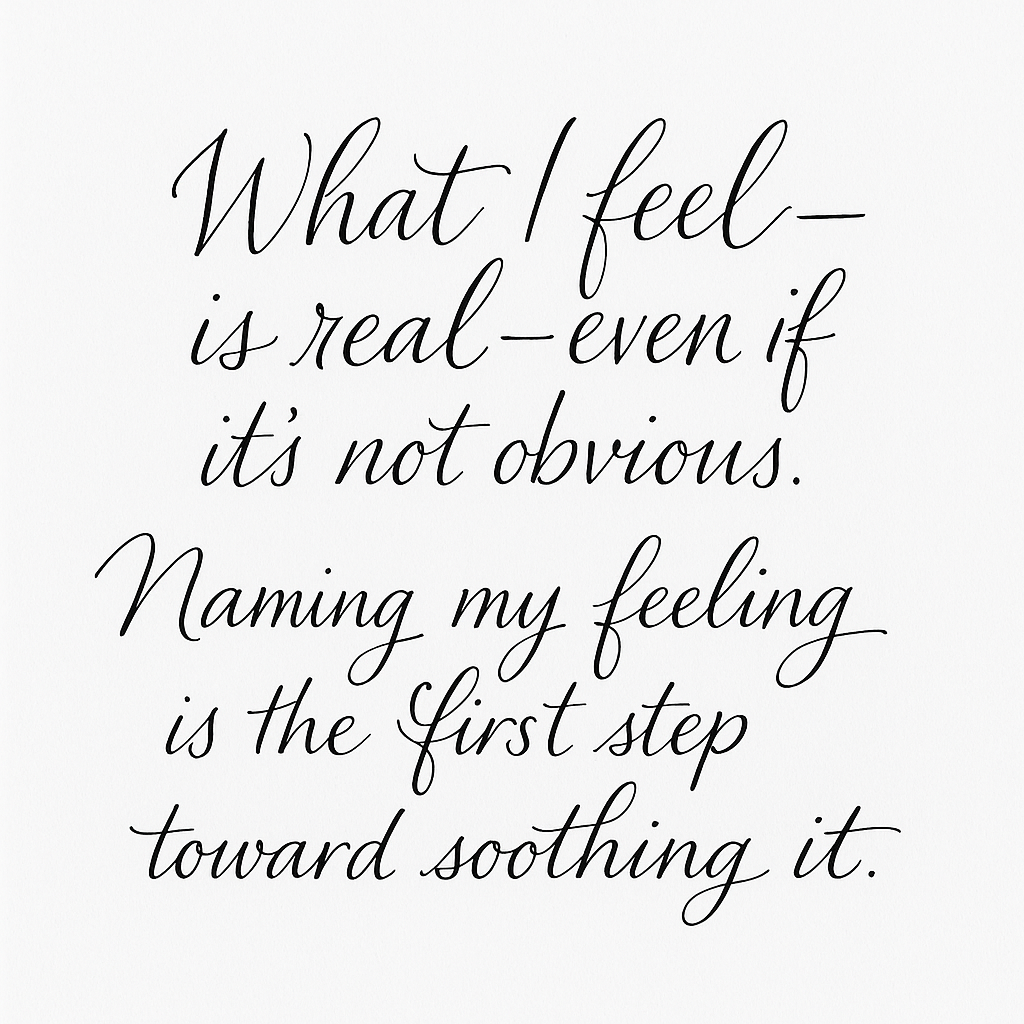
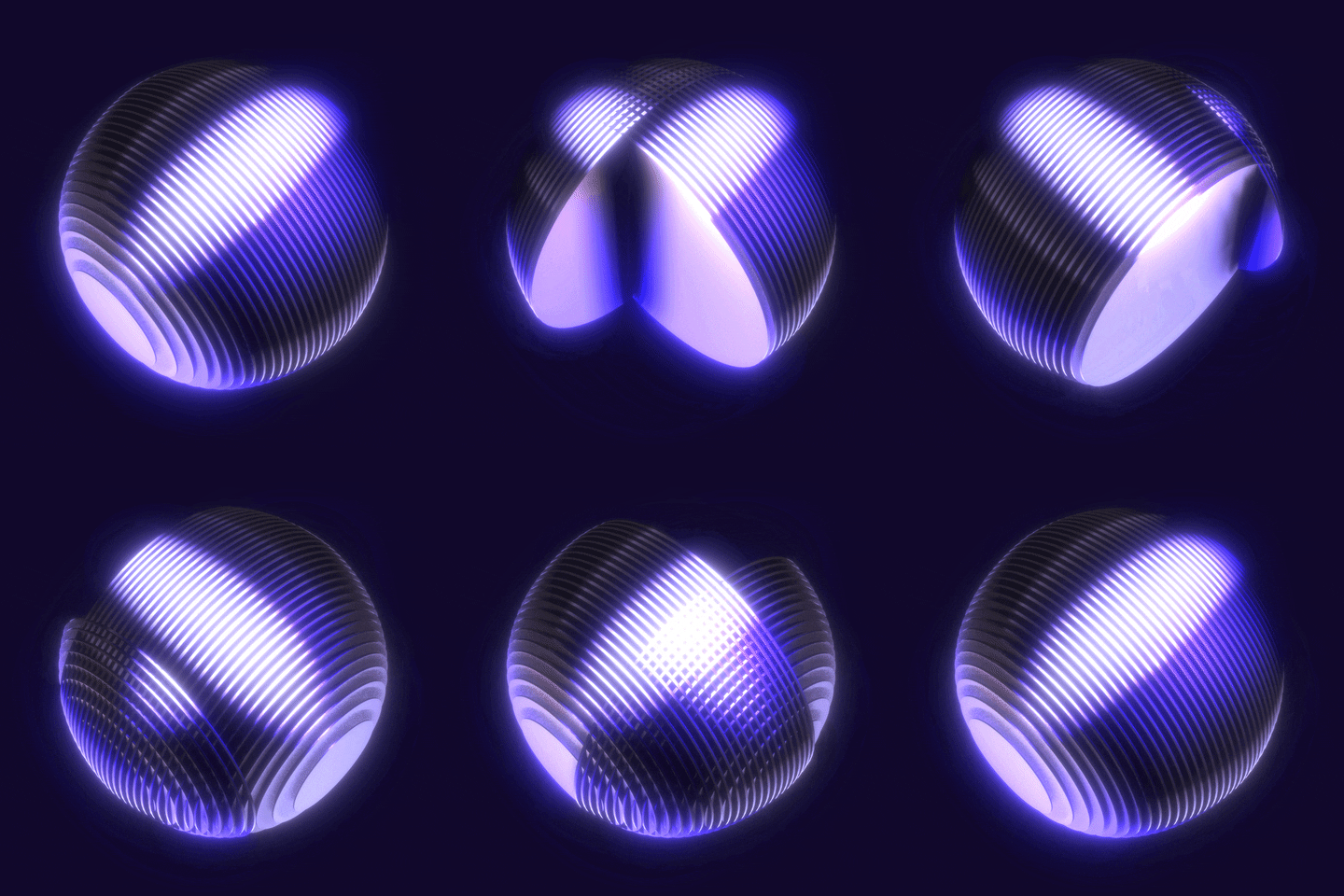
Image Healing: Mandala Stability Guidance 129
Imagine your body as a finely tuned cosmic clock, this mandala. Each gear (organ) has its perfect inherent frequency. You (consciousness) are the master of the clock, not its repairman. You don't need to press your ear against a gear to hear if it's still turning; that would interfere with its operation. Step back and appreciate the grand, dynamic picture of the entire mandala. Trust this system that has been working since you were born; it knows better than you how to maintain the rhythm of life. Let go, let it turn on its own.
Traditional mandalas typically feature a harmonious and intricately varied circular structure, symbolizing the wholeness of the universe and the cycle of life. By viewing mandala images, individuals can perceive inner peace and strength, achieving psychological balance.
◉ Gaze at the mandala twice, while taking deep breaths.
Lesson 129: Over-monitoring - Guided Drawing
① Action guidance:Draw a repeatedly intertwined line, and then add larger, gentler arcs on the outer layer to symbolize "moving from tension to relaxation".
② Action guidance:Use two colors to overlay: dark color represents areas of excessive attention, and light color represents spaces where attention has been diverted.
③ Action guidance:The outer edge of the image is covered with a uniform dotted texture, shifting the visual focus from the central signal to the overall structure.
Please log in before submitting your drawings and feelings.
○ 129. Over-monitoring - Log-guided recommendations
① What kind of bodily signal do I monitor most often today?
② Did it actually cause any danger? Or was it just a strong feeling?
③ Was there a moment when I actually forgot about the surveillance? What does that indicate?
④ I'd like to offer a new explanation for my body: "This is just a normal reaction, not an alarm."“
Please log in to use.
Your body's signals won't harm you; it's excessive focus that will. Learn to shift your gaze away from your body, and you'll regain your freedom.
 EN
EN  ZH
ZH  ES
ES  FR
FR  JA
JA