

Lesson 1294: Post-Conflict Repair Dialogue and Debriefing
Duration:75 minutes
Topic Introduction:
This course delves into the psychological mechanisms of "after conflict," particularly relevant to those with borderline personality traits. Conflicts are often amplified in an instant, triggering old wounds and making the immediate emotions far greater than the event itself. This course will help you break down the three stages of post-conflict: emotional subsidence, meaning reconstruction, and the possibility of repair. You will learn how to identify the true wounds after the storm (fear of abandonment, shame, misunderstanding, feeling unseen) and understand why you often fall into extreme narratives like "it's all my fault" or "it's all the other person's problem" during debriefing. This course provides a clear and actionable framework for repair dialogue, allowing you to move from defensiveness, blame, or withdrawal back to more mature ways of expressing yourself in relationships. The course also incorporates stability rituals—the soothing effects of aromatherapy drinks, the mental blanking of Christian fasting, the rhythmic writing of Humanist script, and the "viewing" aspect of mandalas—making repair not merely an extension of emotions, but an opportunity to re-understand each other and build trust.
▲ AI Interaction: Write your first "Opening Remarks for Resolving Conflict"“
Recall a conflict that deeply affected you and write down your most genuine first emotion at the time (fear, resentment, being misunderstood, helplessness).
Next, write down the second emotion you later exhibited (anger, indifference, withdrawal, blame) – and mark it: Was it protecting you?
Write a "repair opening line," such as: "I want to go back to that incident with you because I want to understand each other better."“
Finally, write down the sentence you most want to clarify for the other person: It's not about arguing about right or wrong, but about letting the other person hear your fear.
Click the button below to let AI help you simulate a healthy repair conversation exercise.
○ Conflict Resolution & Music Therapy
Choose a piece of music with a stable rhythm and a clean melody, and let it serve as a transition for you to "switch from emotional mode to relationship mode".
For the first 30 seconds, focus solely on your breathing: inhale to enter your body, exhale to release your defenses, shifting your focus from "preparing for battle" to "preparing to understand."
Silently repeat to yourself while listening to the music: "I'm not here to win, I'm here to connect."“
○ Aromatherapy Drink: Lavender and Lemongrass Balancing Drink
Recommended reasons:Lavender soothes the nervous system, while lemongrass clears the mind and helps maintain stability before repair.
usage:Steep 2g of lavender and 2g of lemongrass in hot water for 4 minutes. When drinking, let the aroma remind you: I am preparing to understand, not attack.
○ Mild Root Vegetable Bowl (Christian Fasting Style)
Using simple ingredients such as carrots, sweet potatoes, and oats, and cooked in a minimalist way, it symbolizes "purification of the soul".
Post-conflict healing requires a calm, stable, and non-stimulating state of mind and body, and this simple energy helps you return from "emotional turmoil" to "relationships that can be discussed".
Simplicity is not about retreating, but about returning to a core state where you can reflect: Who am I? What am I afraid of? How do I want to be understood?
Reduce internal friction
To make room for repairs
Healing Recipes
/home2/lzxwhemy/public_html/arttao_org/wp-content/uploads/cookbook/lotus-soup.html(Please confirm that lotus-soup.html has been uploaded)
Psychological Mandala
Psychological Healing: Psychological Mandala Imagery 42
No need to draw, just watch.
Focus your gaze on the center of the mandala and feel how the chaos following the conflict gradually loosens within the visual order.
The gradually expanding lines on the outer edge remind you that the repair is not a one-time event, but a slow recovery from the center outwards.
When you're afraid of triggering conflict again, fix your gaze on a soft outer ring pattern and let it tell you: I can stop, I don't need to react immediately.
Mandala drawing is not about drawing something, but about observing; the act of observing itself allows you to rediscover the rhythm that "relationships can be repaired."
View the mandala three times to allow visual order to process the still chaotic parts of your inner self.

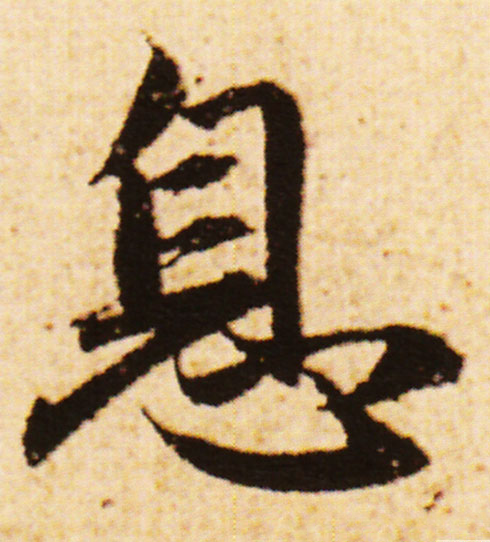
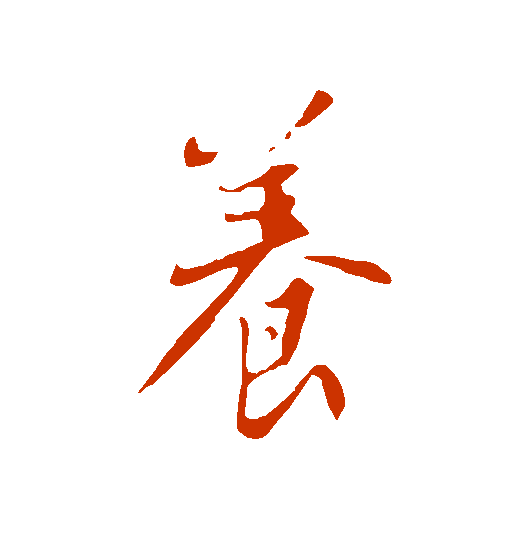
○ Italian Renaissance · Humanist Script
The balanced writing rhythm of Humanist Script symbolizes "stable, gentle, but directed repair".
The stability of handwriting will make you less easily swayed by emotions when you're preparing to mend a conversation.
- Sentence writing:
- I want to repair, not retreat.
- I want to fix things, not escape them.
- Writing Tips:
- Maintain consistent letter spacing, and let the stability of your hand bring stability to your mind.






○ Conflict Resolution: Guiding Suggestions for Art Therapy
To transform conflict from "chaos" to "understandability," visual structure is needed to assist in organizing it.
I. Conflict Emotions Four Quadrants Chart
- Draw four quadrants: facts, feelings, needs, and fears.
- Write down the content belonging to these four categories in a single conflict.
- This image helps you see that conflict is not a chaotic mess, but can be broken down and understood.
II. Spectrum of Repair Possibilities
- Draw a spectral line from 0 to 10.
- 0 = I am completely unable to talk right now; 10 = I can talk calmly.
- Mark your current position and ask yourself: What do I need to do to move forward?
Please log in before submitting your drawings and feelings.
○ 1293. Relationship Boundaries - Log Guidance Suggestions
① Describe your first emotion after a conflict.
② Write down your automatic reaction at that moment: was it defensiveness, blame, or withdrawal?
③ Write a sentence you would like to say to the other person to "repair the core sentence".
④ Write a reflection from today: "Repair is not about bowing down, but about..."“
Please log in to use.
True healing is not about bypassing the wound, but about holding onto the wound and moving forward together.
 EN
EN  ZH
ZH  ES
ES  FR
FR  JA
JA