

Lesson 1313: How Chaotic My Heart Becomes When Fear and Anger Arise Simultaneously
Duration:75 minutes
Topic Introduction:
In the experience of Disruptive Mood Disorder (DMDD), "anger" is often perceived as the sole emotion, but you know best that many times, those explosive reactions aren't just anger, but a simultaneous surge of fear, tension, feelings of threat, abandonment anxiety, shame, and unease. When fear and anger coexist, the brain seems to be pulled in two directions: one side wants to escape, the other wants to retaliate; one side wants to hide from being seen, the other can't help but shout louder to protect itself. This course will help you dismantle this "mixed emotional storm": learning to identify where fear is in your body, how anger is taking the lead, and how the two together push you to the brink of losing control. The course will combine the calming effects of aromatherapy drinks, the "returning to core true feelings" symbolized by the Christian Fasting Diet, the slow writing rhythm of Humanist Script, and the gazing exercise of "mandalas are not about drawing something, but about looking," guiding you step by step through the chaos to distinguish: who is afraid? And who is angry?
[arttao_Healing_Course_tts_group1313_1317]
▲ AI Interaction: Helping myself translate moments of "fear disguised as anger"
Think about one or two recent instances where you were particularly angry: you might have talked back loudly, suddenly turned off your phone and lost contact, smashed things, or simply walked away.
Please briefly describe what happened at the time, and your apparent emotional state (e.g., anger, outburst, passive-aggressive behavior).
Then ask yourself: If "fear" is allowed a place, what might I have been afraid of at that moment? Was I afraid of being abandoned? Was I afraid of being rejected? Was I afraid of being hurt again? Was I afraid that the other person didn't care?
Please write a sentence expressing the fear behind the anger for each scenario, such as: "I'm afraid you'll ignore me again." or "I'm afraid you'll think I'm worthless."“
Click the button below to practice with AI: how to distinguish the sounds of fear and anger when they are mixed together.
○ Music therapy when fear and anger are intertwined
Choose a song with a gentler first half and a slightly more powerful second half, so that it symbolizes "fear and anger coexisting in the same song".
When listening, first focus on the part of your body that you are afraid of in the first half: perhaps it is a tightness in your chest, a blockage in your throat, or a contraction in your stomach.
As the music intensifies slightly, try to feel the anger rushing up to protect you—not to hurt others, but to prevent yourself from being trampled underfoot.
○ Aromatherapy Drink: A blend of orange blossom, chamomile, and lavender
Recommended reasons:Orange blossom soothes a frightened heart, chamomile calms a constantly tense nerve, and lavender helps the exhaustion after anger to slowly recover—it's a gentle combination when fear and anger intertwine.
usage:Steep 1.5g orange blossom, 2g chamomile, and 1g lavender for 5 minutes. With your first sip, tell yourself, "I'm not just angry, I'm also scared." Let the aroma gently envelop you in these words.
○ Simple Vegetable and Grain Bowl (Christian Fasting Style)
When fear and anger arise simultaneously, your heart is like a crammed room: you want to rush out, yet you also want to lock the door tightly shut; chaos reigns both inside and out.
Fasting symbolizes "temporarily setting aside the superfluous, noisy, and complicated things, leaving only the most essential part."
This simple vegetable and grain meal, consisting of a small amount of whole grains, root vegetables, and soft beans, is like a "noise-reducing space" prepared for your mood:
It reminds you to first simplify your mind and body so that you can see clearly whether it is fear speaking or anger roaring.
In this simple rhythm, you can slowly learn that you don't need to use an explosion to prove you're in pain.
Identify emotions
Back to the core
Healing Recipes
/home2/lzxwhemy/public_html/arttao_org/wp-content/uploads/cookbook/lotus-soup.html(Please confirm that lotus-soup.html has been uploaded)
Psychological Mandala (Viewing)
Psychological Healing: Psychological Mandala Imagery 60
A mandala is not about drawing something, but about observing it.
Imagine the center of the mandala as a small, trembling ball of light, symbolizing your fearful self; the sharper, thicker lines on the outer edge symbolize your anger, defense, and outbursts.
When you gaze at the light in the center, say to yourself, "I was afraid for a long time before I got so angry."“
Shift your gaze to the outer circle and observe those dense or sharp lines, letting them remind you that anger does not come from nowhere; it is often a shield placed in front of fear.
The process of observing is not about immediately calming your anger, but about allowing you to see another fact in the storm—that I am not only angry, but also trying to protect the fearful part of myself.
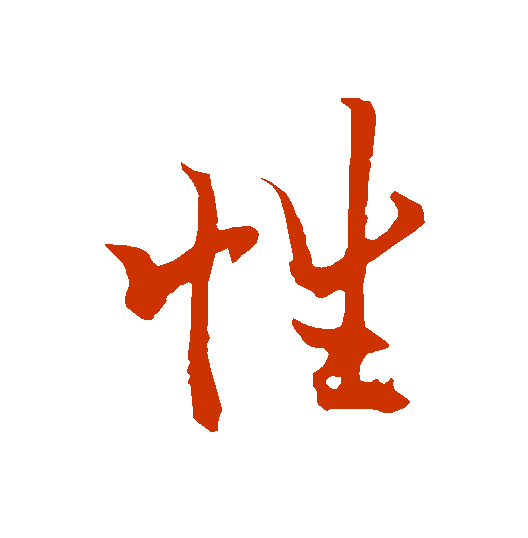
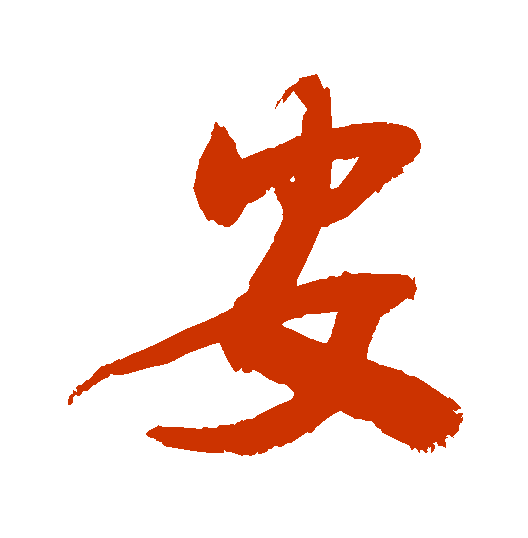
○ Italian Renaissance · Humanist Script
When fear and anger are mixed together, your inner rhythm often fluctuates, sometimes fast, sometimes slow, sometimes hot, sometimes cold.
Humanist Script's stable and even kerning can be a tool for "re-formatting" chaotic emotions, bringing feelings back into order.
- Sentence writing:
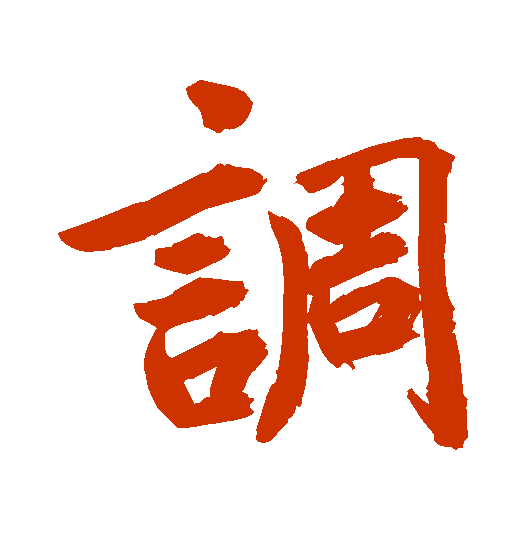
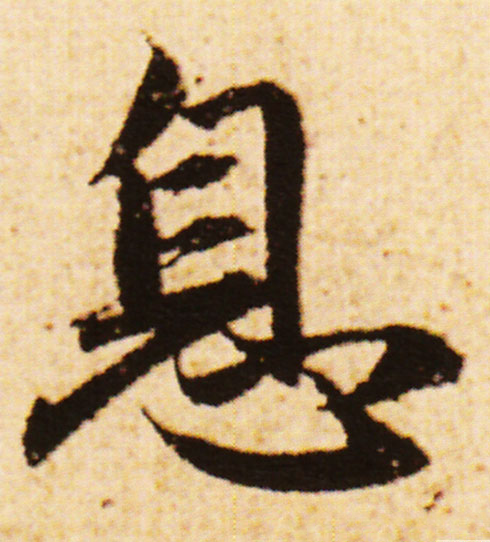
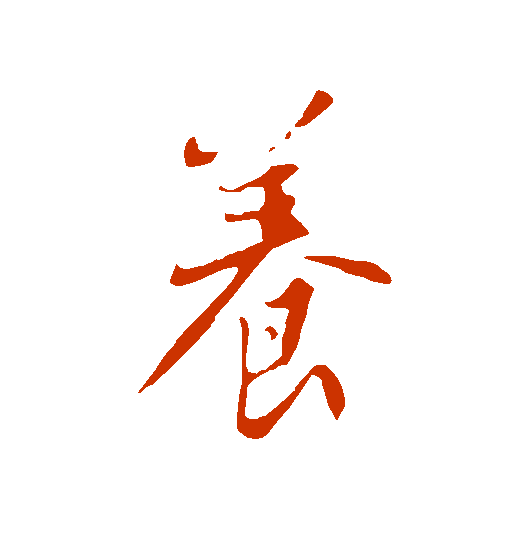
- Fear and anger can live together in me.
- Fear and anger coexisted within me.
- Writing Tips:
- Write steadily, stroke by stroke, so that each letter is in its place on the paper, just as you are arranging the clear positions of the different emotions in your heart: who is in front, who is behind, and who needs to be seen.


○ Fear and anger intertwined: Guiding suggestions for art therapy
When you feel both "wanting to escape" and "wanting to scream" at the same time, drawing can help you transfer these two forces from your body to paper, turning chaos into a visible shape.
I. Double Arrow Emotional Image
- Draw a small circle in the center of the paper and write "I" on it.
- Draw an arrow pointing outwards from the left and write "fear of wanting to escape"; draw another arrow pointing outwards from the right and write "anger of wanting to retaliate".
- Below the two arrows are written: What does fear want to protect? What does anger want to protect? This shows you that they are actually protecting the same you.
II. Emotional Storm Layering Chart
- Draw a multi-layered structure similar to an onion: the outermost layer represents "the outburst of anger," the innermost layer represents "the unspoken grievances," and the innermost layer represents "the fear of being abandoned/denied/hated."
- Let this image remind you: when the next storm comes, try looking inward instead of just staying on the outermost layer of anger.
Please log in before submitting your drawings and feelings.
○ 1313. Fear and Anger Intertwined: Journaling Guidance Suggestions
① Write down the most recent scenario in which you felt both "very scared and very angry".
② Describe in one or two sentences: What am I afraid of? What am I angry about?
③ Write a message to yourself acknowledging that both emotions are real and do not need to be denied.
④ Complete the sentence: "When fear and anger arise at the same time, what I need most is..."“
Please log in to use.
Your heart isn't "inexplicably chaotic," but rather it's bearing too many emotions from different directions at the same time;
Learning to distinguish between them is not about becoming obedient, but about reducing the loneliness and helplessness you feel when dragged down by your own emotions.
 EN
EN  ZH
ZH  ES
ES  FR
FR  JA
JA