

Lesson 1328: If I could pause for just one second, perhaps I wouldn't impulsively hurt myself.
Duration:75 minutes
Topic Introduction:
For children and adolescents with disruptive mood disorder (DMDD), "impulsive self-harm" is often not a well-thought-out decision, but a momentary reflex caused by overwhelming emotions that make it hard to breathe. Many times, you don't actually want to hurt yourself, but rather to stop the pain of being overwhelmed, misunderstood, pressured, rejected, and swallowed by emotions. Others see the behavior itself, but they don't see the rapid loss of control your brain a second before: your heart is racing, your chest is tight, your mind is chaotic, your attention is scattered like broken glass, and your body is left only with the instinct to "do something, stop it quickly." This lesson will teach you the power of "pausing for a second"—not to suppress your emotions, nor to "hold back," but to teach you how to insert a small "delay button" before the emotional tsunami hits your brain. This one second gives your brain a chance to reconnect, preventing impulses from becoming your only outlet. We will combine the calming rhythms of 24 types of Eastern healing teas, the slow and nourishing effects of 40 types of Chinese food therapy soups, the steady breathing of Chinese calligraphy (clerical script), and the gazing exercise of "Mandala is not about drawing something, but about looking at it" to help you train the power of this moment, so that you still have the right to choose in the most difficult times, instead of being held hostage by your emotions.
[arttao_Healing_Course_tts_group1328_1332]
▲ AI Interaction: Write down your "1-Second Pause Rule"“
Recall the last time you nearly harmed yourself or lost control of your impulses, and write down three key moments:
- ① What signals did your body send before you acted impulsively? (Hot chest, trembling hands, difficulty breathing, headache)
- ② Before you act impulsively, what thought flashes through your mind? ("I can't take it anymore," "I want the pain to stop")
- ③ If you could press pause at that moment, what would you most like to happen? (Having someone with me, leaving the room, getting a sip of water, hugging myself)
Complete the following sentence as your "1-second pause rule":
“"When my chest starts to tighten, I pause for a second and choose to do—instead of—."”
Click the button below to train your "pause for a second" ability with AI, so that impulsiveness no longer determines your life.
○ 1-second pause · Music therapy
Choose a piece of music with a very simple rhythm and almost no variation, and set it as your "pause prompt." When it plays, your body will gradually be trained to: hearing this sound = pausing.
For the first 10 seconds of listening to music, focus your attention on one sentence: "Pause for one second, and I'll have a choice."“
Next, practice a movement to the music: gently clench your fist and then release it, lightly tap your leg, and lightly touch your chest.
You are teaching your nervous system to "switch from impulse to pause".
○ Oriental Healing Tea: Benzoin Low-Temperature Stress-Relieving Tea
Recommended reasons:The Passion flower symbolizes that "an overactive brain needs rest," and when paired with a small amount of chrysanthemum, it can help you slow down when you are tense and impulsive.
usage:Steep 1g of benzoin flowers and 2 chrysanthemum flowers in warm water (85°C) for 3–4 minutes.
Take a sip before or after you feel impulsive, and remind yourself: "I still have some time to come back, instead of rushing out."“
○ Tremella and Lotus Seed Soup for Soothing the Heart (Chinese Dietary Therapy - Soup)
Impulsiveness often stems from the simultaneous overload of both the body and emotions. White fungus symbolizes soothing and gentleness, while lotus seeds symbolize peace and stability, making them a perfect combination for "repairing impulsiveness before and after it occurs."
When your emotions are about to flare up, the purpose of this soup is to slow you down, not to suppress them.
While drinking soup, silently repeat to yourself: "I don't need to hurt myself to prove that the pain is real; I can use pause to protect myself."“
Let the warmth of the soup help you reconnect with your body, turning that moment into a real force that can save you.
Steady Spirit
Suitable for healing after emotional outburst
Healing Recipes
/home2/lzxwhemy/public_html/arttao_org/wp-content/uploads/cookbook/unagi-kabayaki.html(Please confirm that unagi-kabayaki.html has been uploaded)
Psychological Mandala (Viewing)
Psychological Healing: Psychological Mandala - 79 Thoughts
A mandala is not about drawing something, but about observing it.
When you feel the urge to impulsively harm yourself, focus your attention on the mandala center—
That's the "pause point".
Then slowly shift your gaze to the outer circle, and then back to the center.
The outer ring is like waves of emotion, and the center is like your breath.
If you can stay in the center for just one second, you can turn your emotions from "about to explode" to "pause slightly".
This very second is the starting point for you to protect yourself.
You don't need to be completely calm, just pause for a second—and then pause again for the next second.
A mandala is your "one-second escape route".

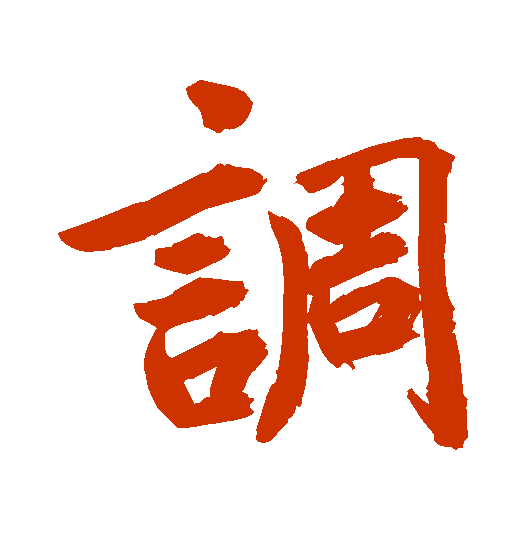
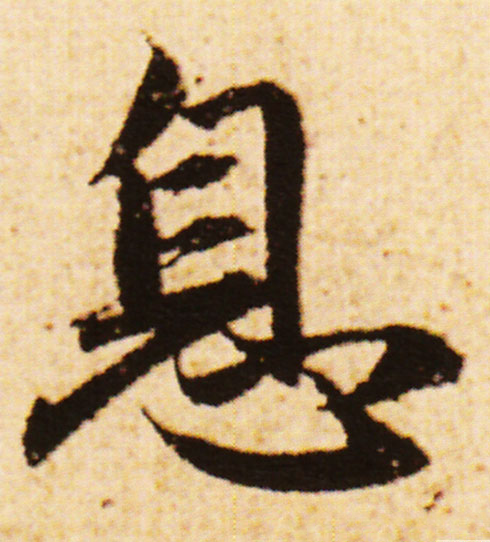
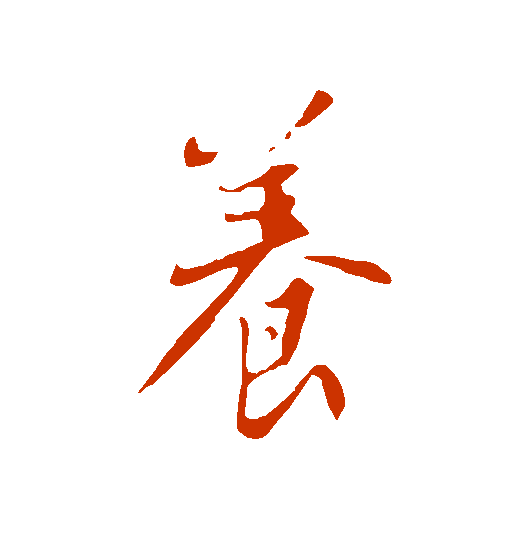
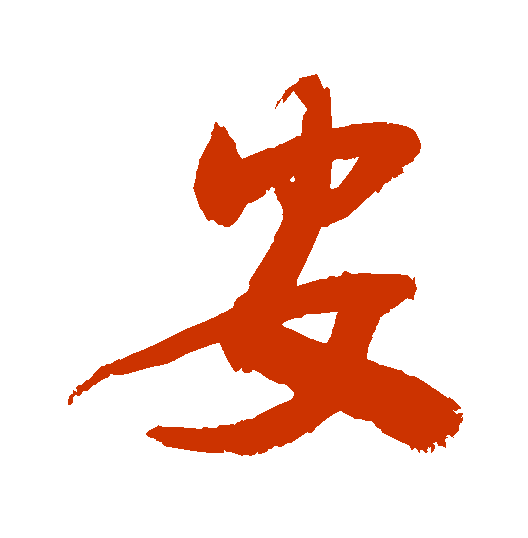
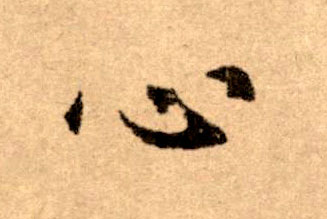
○ Chinese Calligraphy - Clerical Script (Let the strokes pause for you)
Each stroke in the clerical script requires a "pause, a pause, a stop, and a finish," which is highly similar to "pausing for one second."
When you practice writing in the clerical script, you are training your brain to pause before deciding on the next step.
- Sentence writing:
- I can pause for a second and not let impulse dictate my actions.
- I can pause for one second before I act.
- Writing Tips:
- Before writing each stroke, take a breath, pause for a second, and then put pen to paper.
Make the rhythm of writing your "physical version of pause practice".
What you're writing isn't just words, it's "I control my next second."



○ One-second pause: A painting therapy exercise
Drawing is the best tool for training "one-second delay" because you need to pause before you can draw the next stroke.
I. Pause the line chart
- Draw a broken line: pause for one second at each turning point.
- Mark the date of your most recent impulsive act on the line.
- Observation: If you could stop for one second at that point, would your route be different?
II. Emotional Heat Map
- Draw squares one by one, from cool colors to warm colors.
- Mark the body temperature you felt before you acted impulsively (chest, head, hands, stomach).
- Imagine that it only takes "one second" to go from the hottest square to the mildest square, then practice it again.
Please log in before submitting your drawings and feelings.
○ 1328. One-second pause · Log guidance suggestion
① Write down three physical signs that preceded your most recent impulsive act.
② Complete the sentence: "If I had paused for even a second, I might have..."“
③ Write down a sentence you want to say to yourself in the future: "When I'm about to act impulsively, I hope I can..."“
④ Write a sentence for your future self: "You deserve to be protected, not dragged away by impulses."“
Please log in to use.
You are not the impulse itself. You are simply too hurt, too full, too fast, and no one teaches you how to pause. Starting today, let this second be your gateway to regaining control of yourself.
You deserve to be treated gently and protected, and you deserve to be taken a little slower, even slower.
 EN
EN  ZH
ZH  ES
ES  FR
FR  JA
JA