

Lesson 1335: When I'm with others, I'm also learning how to relax.
Duration:75 minutes
Topic Introduction:
For children and adolescents with disruptive mood disorder (DMDD), "interacting with others" is never a simple social activity, but a highly demanding mental and physical task. You must simultaneously manage facial expressions, tone of voice, distance, soothe yourself, interpret others' reactions, anticipate conflict, avoid misunderstandings, and strive not to be "too loud, too sensitive, too impulsive." Interactions that appear effortless and natural to others are like a complex mental exercise for you, often leaving you tense even before it begins. It's not that you don't want to connect, but that every interaction automatically puts your body into a "defense preparedness" mode. This course aims to help you see that what you are doing now is not just "interacting with others," but learning how to gradually convince your nervous system that relationships are not dangerous. The course will guide you to understand the root causes of interpersonal tension: the pain of being misunderstood, past wounds, the inability to predict others' reactions, too many unexpected stimuli, and the immense pressure you feel you "must perform perfectly." We will combine 24 types of Eastern healing teas, 40 kinds of Chinese food therapy soups to provide emotional support, the calm rhythm of Chinese calligraphy (clerical script), and the peaceful contemplation of "a mandala is not about drawing something, but about observing," to guide you step by step in your practice. This will help you to gradually relax, breathe, and even experience the feeling of being accompanied when interacting with others, instead of being automatically defensive.
[arttao_Healing_Course_tts_group1334_1338]
▲ AI Interaction: Write down "the three most tense moments I experience when interacting with people".“
You don't tense up for no reason; your body always has a cause. This exercise helps you identify the key moments that trigger your tension.
- ① Write down three moments when you most often feel tense in interpersonal relationships (e.g., someone suddenly gets close, you are asked a question, the other person's tone becomes cold, you need to express your opinion, you need to refuse someone, etc.).
- ② Write a sentence for each moment: "What is my body's reaction?" (Tightness in the chest, stiff shoulders, shallow breathing, feeling like running away, etc.).
- ③ Write a sentence: "How do I hope to be treated in this moment?" (e.g., slower, gentler, give me some time).
- ④ Select the strongest trigger point and practice a "gentle but clear expression of need" with the AI.
Click the button below to create your own guide to reducing interpersonal stress with AI.
○ A "loosening tug" before interacting with others: Music therapy
Choose a piece of music with a steady rhythm and a gentle melody, and let it act as a "loosening switch" before you engage in interpersonal interactions.
For the first 30 seconds of the music, do only one thing: slowly lower your shoulders.
Your body may learn to relax sooner than you do.
While the music is playing, you can quietly repeat the following phrase:
“"I'm not taking an exam; I'm just learning how to get along with people."”
○ Eastern Healing Tea - Licorice and Peppermint Balancing Drink
Recommended reasons:Peppermint brings a refreshing and relaxing sensation; licorice symbolizes harmony and is suitable for helping your body regain a sense of softness and breathing space when you are under a lot of social stress.
usage:Steep 2g of peppermint and 1 slice of licorice root in 80°C hot water for 3–4 minutes.
While drinking, tell yourself softly, "I can take my time, I don't need to be perfect right away."“
○ Yam and Goji Berry Warming Soup (Chinese Food Therapy - Soup)
The creamy texture of yam and the mild flavor of goji berries symbolize "stabilizing the core and nourishing the interior".
For someone like you who's always on edge in interpersonal interactions, this soup is like saying to you:
“"You don't need to be on the defensive all the time; you deserve to be caught slowly."”
The process of drinking soup is a practice: going from "ready to explode at any time" back to "I can relax a little."
Every sip of soup is a signal—you are learning to convince your body that the relationship is not dangerous.
Enhance sense of security
Suitable for before and after social events
Healing Recipes
/home2/lzxwhemy/public_html/arttao_org/wp-content/uploads/cookbook/sanma-shioyaki.html(Please confirm that sanma-shioyaki.html has been uploaded)
Psychological Mandala (Viewing)
Psychological Healing: Psychological Mandala - 86 Thoughts
A mandala is not about drawing something, but about observing it.
Imagine the center of the mandala as your true desire in your relationships: "I want to relax and not always be so tense."“
The layers of texture on the outer ring resemble the various stimuli you have to deal with in interpersonal relationships: the tone of voice of others, the gaze of classmates, sudden questions, and the expectation of answers.
While watching, you don't need to do anything; just look at the lines and let yourself slowly return to your breathing.
Whenever your eyes follow the outer circle, remind yourself:
“"I am learning to relax."”
Whenever you return to the center, tell yourself:
“I’m working hard, and it’s already been very difficult.”
What the mandala teaches you is that the stimuli on the outer circle of a relationship may change, but your center can gradually become more stable.

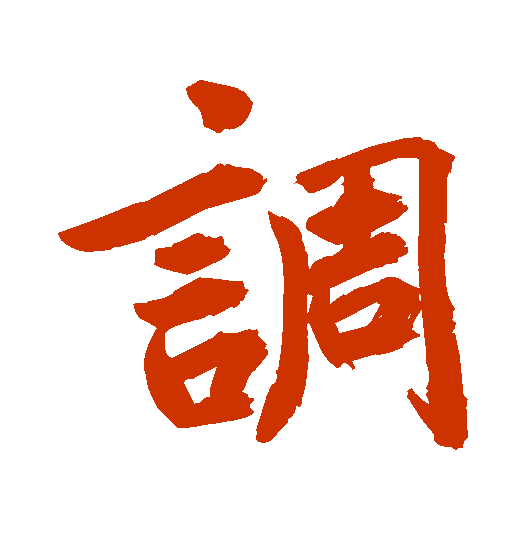
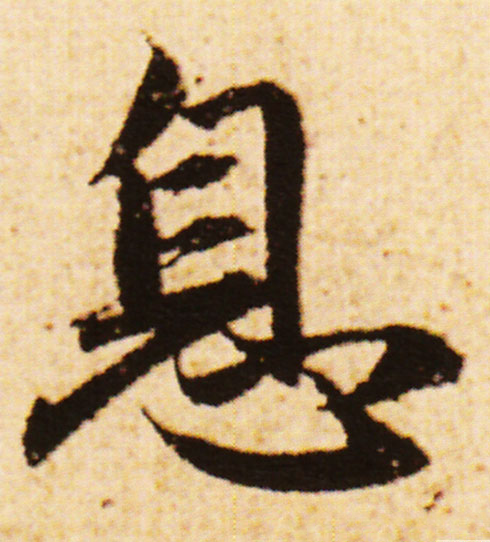
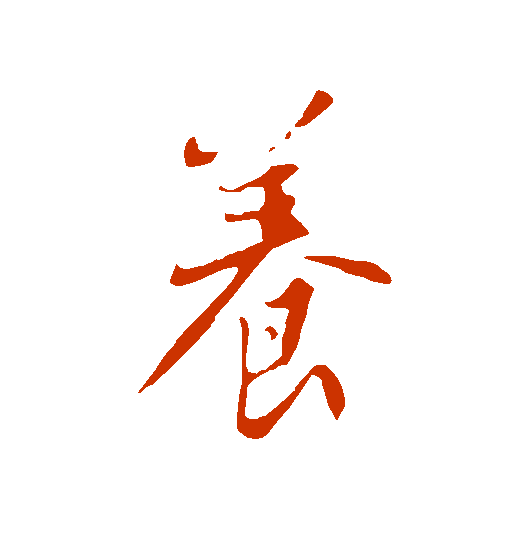
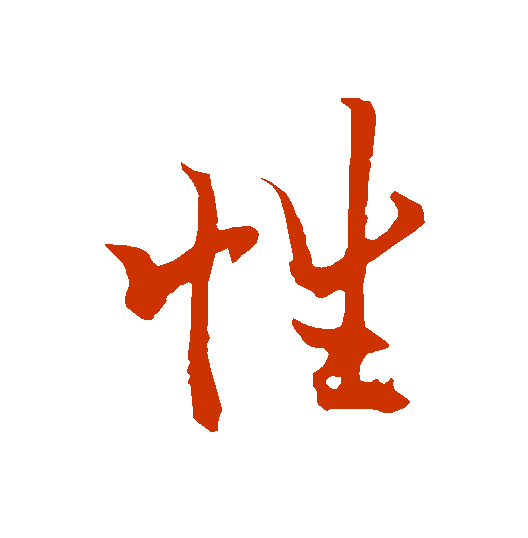
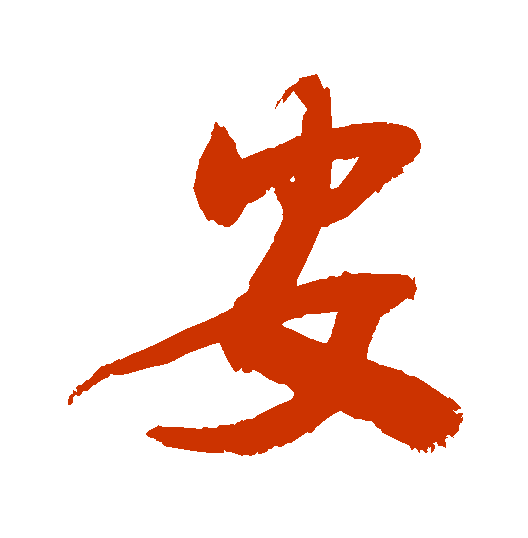
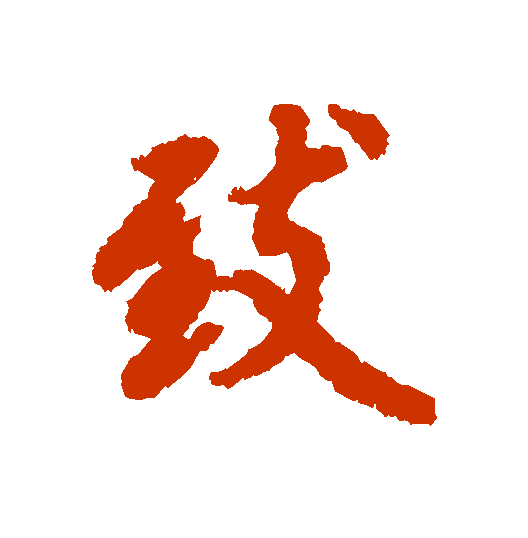
○ Chinese calligraphy - Clerical script (Write "I can relax")
The horizontal structure of clerical script is wide, stable, and weighty, making it a very suitable style of calligraphy for practicing "lightness, slowness, and relaxation".
Through writing, you can gradually rewrite your physical habit of "I have to be tense at all times" into "I can breathe in relationships".
- Sentence writing:
- I can relax slowly.
- I can soften while connecting with others.
- Writing Tips:
- When writing, consciously slow down and let each stroke fall gently.
Imagine you are saying to your body, "It's safe now, you can relax a little."“


○ A "Loosening Map" for Interpersonal Relationships · Art Therapy Exercise
When language is difficult to express, drawing can help you see: What makes you tense? What makes you relaxed? What are you learning?
I. Tight Trigger Point Radar Chart
- Draw six outward-extending axes on the diagram: tone of voice, distance, eye contact, voice, task pressure, and unfamiliarity.
- Mark the tension level for each axis (1–10 points).
- After connecting, you will see a “tight shape” to help you understand where your interpersonal stress comes from.
II. Data Collection Table for Momentary Loosening
- Draw three squares and write the following on each:
“"The expression that made me breathe a sigh of relief"
“"A tone of voice that makes me feel safe"
“"A gesture that makes me want to get a little closer." - These are important clues for your future communication with family or teachers: what you need is not more blame, but more "safety signals".
Please log in before submitting your drawings and feelings.
○ 1335. Interpersonal Relaxation Exercises: Journaling Guidance Suggestions
① Write down the most recent situation in which you "suddenly tensed up" during an interpersonal interaction.
② Describe your body's reactions (chest, stomach, shoulders, breathing, etc.).
③ Complete the sentence: "What I most hope others can do right now is..."“
④ Write a sentence to affirm yourself: "I am learning to turn tension into relaxation, and that already takes courage."“
Please log in to use.
You're not tense because you don't want to interact with others, but because you care too much, try too hard, and are too sensitive.
May this lesson accompany you on your journey—from tension to relaxation, from defense to connection, from loneliness to being understood.
 EN
EN  ZH
ZH  ES
ES  FR
FR  JA
JA