

Lesson 1336: I don't do it for the reward, but to feel like I can do it.
Duration:75 minutes
Topic Introduction:
For children and adolescents with disruptive mood disorder (DMDD), the outside world often uses "rewards" and "punishments" to manage behavior: good behavior earns gifts, bad behavior results in the loss of privileges. But your deepest desire is often not just to receive another reward, but to finally be able to say to yourself, "I can do it." If all your efforts are only for a fleeting reward, you will increasingly doubt: Do I still have value when there are no rewards? Will I still try when no one is watching? This lesson will help you distinguish between "doing things to get something" and "doing things to experience your abilities," and understand why over-reliance on rewards can make you more anxious and even more prone to losing control. We will explore together: how your brain is pushed to tension when you act only for grades, stickers, and allowances; and how your inner sense of stability gradually increases when you slowly shift your focus to "I am making progress." The course combines the warm support of 24 kinds of Eastern healing teas and 40 kinds of Chinese food therapy soups, the steady rhythm of Chinese calligraphy (clerical script), and the calming practice of "Mandala is not about drawing something, but about observing," guiding you to practice shifting your focus from "what others give me" back to "what kind of person I am becoming."
▲ AI Interaction: Write down "What I really want is not a reward, but..."“
This time, we won't start with "what others give you," but rather with "what kind of person do you want to become."
- ① Write down three things you often do "for reward" (e.g., doing homework, cooperating with therapy, controlling emotions, and completing housework).
- ② For each event, write a sentence: "If there were no reward, what would I actually want to get from it?" (e.g., a sense of accomplishment, a sense of stability, a sense of being trusted).
- ③ Choose one of the things and write a new goal sentence:
“"I did this to feel more ______ (stable? powerful? reliable)." - ④ Work with AI to expand this goal into a “gentle promise to yourself”.
Click the button below to practice with AI the shift from "for reward" to "for experiencing what you can do".
○ Songs to listen to only for yourself · Music therapy
Choose a song you like, but not one you're trying to please anyone, and treat it as a "little space that exists only for yourself."
Thirty seconds before the music starts, gently close your eyes and ask yourself:
“"If no one is watching, no one is scoring, and no one is rewarding me, what would I be willing to do?"”
Let music help you find the answer that "belongs only to me".
Practice sentences:
While listening, repeat in your mind:
“I do these things not just to be praised, but to like myself a little more.”
○ Eastern Healing Tea - Oolong Osmanthus Self-Affirmation Drink
Recommended reasons:The clarity of oolong tea and the fragrance of osmanthus seem to be telling you that the process itself can be enjoyable, rather than just "you only get a reward after you finish doing it".
usage:Steep 2g of oolong tea and a few osmanthus flowers in 90°C hot water for 2–3 minutes.
As you take your first sip, silently repeat to yourself:
“"At this moment, I don't need anyone's reward; I'm simply taking care of myself."”
○ Mushroom and Tofu Nourishing Soup (Chinese Dietary Therapy - Soup)
Mushrooms and tofu are simple yet substantial, symbolizing "simple efforts": not a glamorous prize, but the power accumulated little by little.
When you feel satisfied with a bowl of soup you cooked yourself, eating on time, or completing a small task by yourself, you are practicing—
“I can also make sacrifices for myself, not just to gain recognition.”
With each sip of soup, you can whisper to yourself:
“"I am slowly cultivating my own strength."”
This force lasts longer than any reward.
Solid without being overly stimulating
Suitable for daily self-care
Healing Recipes
/home2/lzxwhemy/public_html/arttao_org/wp-content/uploads/cookbook/unagi-kabayaki.html(Please confirm that unagi-kabayaki.html has been uploaded)
Psychological Mandala (Viewing)
Psychological Healing: Psychological Mandala - 87 Thoughts
A mandala is not about drawing something, but about observing it.
Imagine the Mandala Center as a tiny "seed of self-power" that doesn't survive on prizes, grades, or other people's opinions, but rather sprouts slowly through every action you take seriously.
The outer layers resemble external evaluations and reward/punishment systems; the center represents your true reasons for doing things.
“"I want to see myself gradually become different."”
As you watch, let your eyes slowly return from the outer edge to the center, and whisper to yourself:
“"I want to experience my own growth, not just to get a checkmark."”
Through repeated viewings, you'll discover that what truly sustains you is never a one-time prize, but rather your self-confidence.

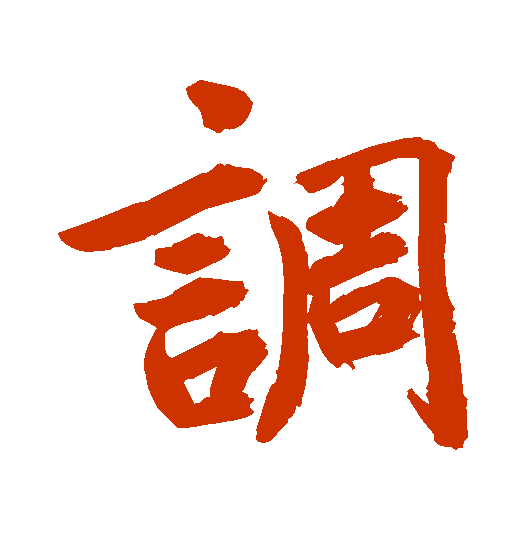
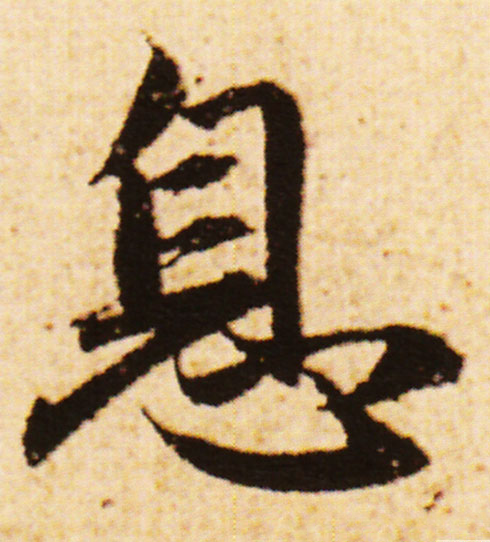
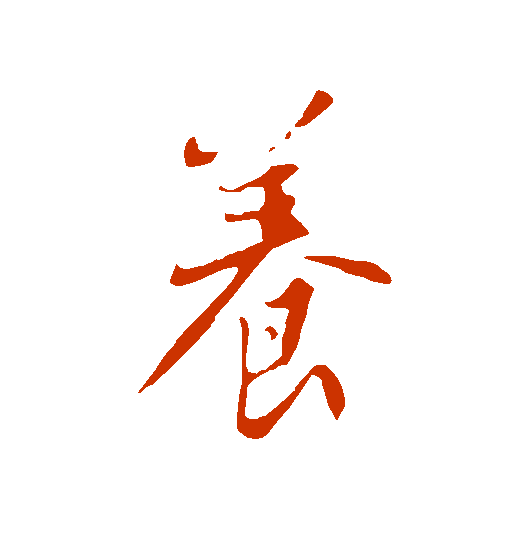
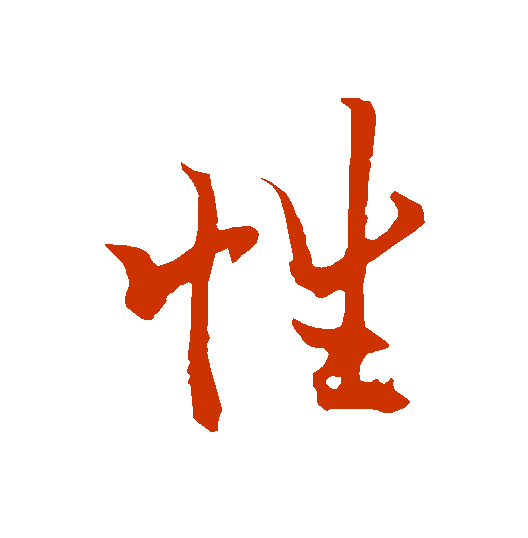
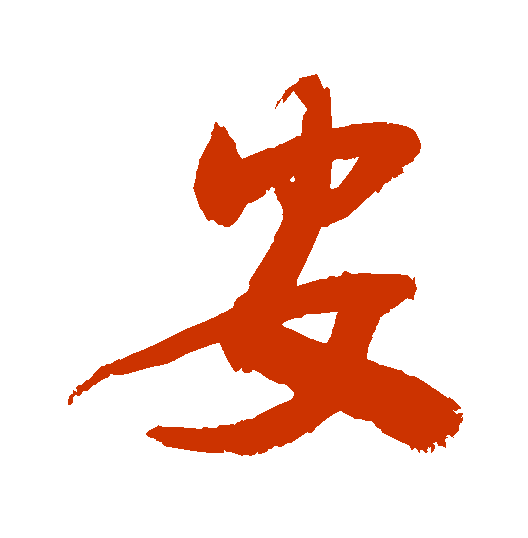
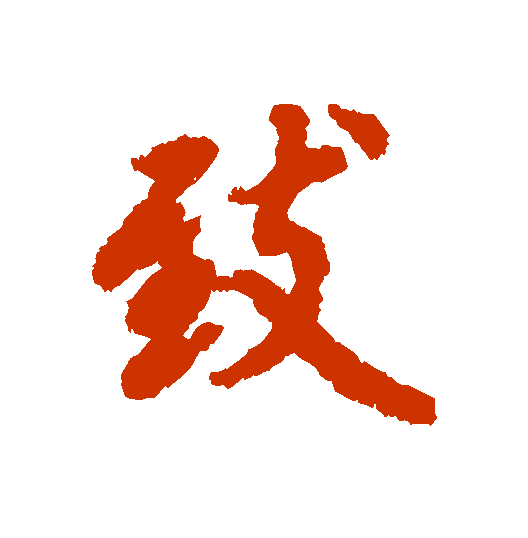
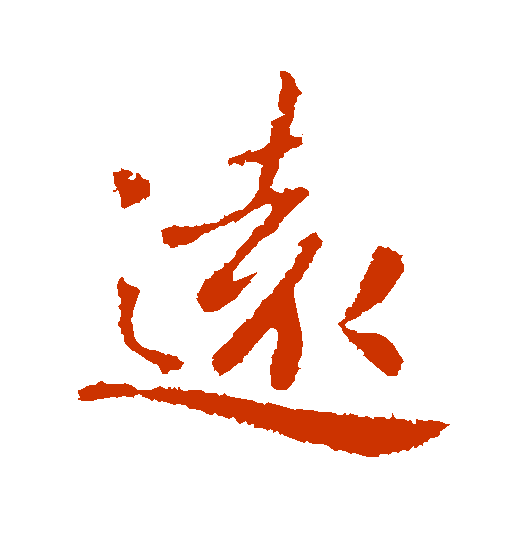
○ Chinese calligraphy - Clerical script (Write "I can do it")
The clerical script is profound and steady, and every stroke seems to be saying to you: "It's okay to go a little slower, but be solid."“
Today's writing practice is not about being praised for your beautiful handwriting, but about letting the phrase "I can do it" settle into your being.
- Sentence writing:
- I did it not for the reward, but to feel like I could do it.
- I act not for rewards, but to feel I can do it.
- Writing Tips:
- When writing the three characters "做可以" (do it), I deliberately slowed down each stroke.
It's like laying the foundation for yourself, bit by bit.
After writing it, look at this sentence and say to yourself:
“"Even if no one sees it, I still have reason to be proud of my efforts."”

○ From Rewards to Self-Power: Art Therapy Practice
Through the images, you can see more clearly:
What you're really chasing is the prize, or the version of yourself that's gradually growing up.
I. The Balance Between "Prizes" and "Growth"
- Draw a balance scale, write "reward" on one side and "sense of growth" on the other.
- Write down what you usually pursue in the "Rewards" section: scores, gifts, praise, likes.
- Write down what you truly desire in the "Sense of Growth" section: stability, patience, focus, and gentle strength.
- See which side you want to gradually become heavier, and which side you want to stop dominating everything.
II. The Evidence Wall I Can Create
- Draw a small "evidence wall" and write down on each brick something you once thought you couldn't do but later accomplished (no matter how small).
- For example: completing an assignment on time, holding back for three seconds when emotions were about to explode, taking the initiative to apologize, and cooking a simple meal for yourself.
- This wall isn't for others to see; it's for yourself.
You've been proving, little by little, that you're not someone who only acts on rewards.
Please log in before submitting your drawings and feelings.
○ 1336. Taking Action to Achieve "I Can Do It" - Log-Based Guidance Suggestions
① Write down one thing you currently do "mainly for the reward".
② Honestly write down: What are you most afraid of if there is no reward? (Not being cared for? Being considered lazy? Feeling worthless?)
③ Complete the sentence: "If I changed it to feeling that I could do it, the change I would hope to see in this matter is..."“
④ Write a sentence to encourage yourself: "Even if it's slow, I'm willing to work hard for myself little by little."“
Please log in to use.
The rewards may end, but the memory of "I could do it" will remain. May this lesson help you find your center in life.
Shift your focus from "what others give me" back to "who I am becoming." You deserve to keep going because you love yourself.
 EN
EN  ZH
ZH  ES
ES  FR
FR  JA
JA