

Lesson 1339: Will I be better off when I grow up? I need answers and strength.
Duration:75 minutes
Topic Introduction:
Many children and adolescents with disruptive mood disorder (DMDD) harbor the same problem:
“"Will things be better when I grow up? Or will it be like this my whole life?"”
When you repeatedly lose control of your emotions, are labeled, misunderstood, and compared to others, it's inevitable to start doubting yourself: have you "broken down"? Do you have no future? This course won't brush you off with a simple "you'll grow up," but will guide you to see clearly how your emotional regulation abilities, impulse control, resilience to setbacks, and understanding of relationships can gradually change through professional therapy, a stable environment, and consistent practice. We'll discuss brain plasticity, differences in developmental stages, the effects of medication and psychotherapy, and we'll also explore which habits will make the future more difficult, and which small choices are quietly leading you to a more powerful life. The course combines the gentle nourishment of 24 types of Eastern healing teas and 40 kinds of Chinese food therapy soups, the solid rhythm of Chinese calligraphy (clerical script), and the mindful practice of "mandala is not about drawing something, but about observing," helping you find more authentic answers and a sense of power to grasp amidst the anxiety of "will I be better?"
▲ AI Interaction: Write down "The future I want is not perfect, but..."“
When you ask, "Will things be better when I grow up?" what's hidden behind that question is: Will I still have the chance to live a different life? This exercise helps you articulate that expectation clearly.
- ① Write down three ideas you envision for "being a little better": for example, "not so easy to explode", "having one or two people who truly understand me", and "not wanting to give up over trivial matters".
- ② Honestly write down the answer you are most afraid of: What are you worried about what others will say? What are you worried about becoming?
- ③ Complete the sentence: "The future I really want is not perfection, but..." (e.g., more stability, more understanding, more choices).
- ④ Work with AI to write a specific yet gentle definition of "better," not requiring 100 points, but only requiring a little more room for improvement than it is now.
Click the button below to let AI help you sketch out the outline of that "better, but not perfect" future.
○ Music Therapy for Your Future Self
Choose a piece of music that makes you feel like you're "moving forward slowly," not with dramatic ups and downs, but like gradually emerging from the fog.
For the first 30 seconds of the music, focus on your breathing: when you inhale, silently say "me now" and when you exhale, silently say "me in the future".
Imagine that the two are not separated by a break, but rather by a winding but ever-extending line.
Practice sentences:Whisper to yourself while listening to the music:
“"It may not get better all at once, but I have the chance to see things a little bit different every day."”
○ Eastern Healing Tea - Ginseng Oolong Gradual Enhancement Drink
Recommended reasons:Ginseng symbolizes the slow-growing vitality of life, while oolong tea brings clarity and awakening. Just like your expectations for the future—not immediate change, but gradual accumulation.
usage:Steep 2g of ginseng oolong tea in 90°C hot water for 2–3 minutes.
As you take your first sip, whisper, "I'm allowing myself time."“
As you take your second sip, say, "I also allow myself to gradually become more powerful."“
○ Black Bean and Lotus Root Stew for Steady Growth (Chinese Food Therapy - Soup)
Black beans symbolize deep-seated reserves of strength, while lotus root represents stability and openness. For someone who constantly worries about whether their life will always be like this, this soup is like a metaphor:
Some strengths are not immediately visible, but are gradually stored in daily diet, rest, practice, and seeking help.
While drinking soup, you can say to yourself:
“"Every time I get a good night's sleep, eat on time, or learn a little bit of emotional skills, I am storing up strength for my future self."”
You are not someone whose fate has decided; you are laying the foundation for your future self little by little.
Replenishing underlying energy
Suitable for long-term care
Healing Recipes
/home2/lzxwhemy/public_html/arttao_org/wp-content/uploads/cookbook/saba-shioyaki.html(Please confirm that saba-shioyaki.html has been uploaded)
Psychological Mandala (Viewing)
Psychological Healing: Psychological Mandala - 90 Thoughts
A mandala is not about drawing something, but about observing it.
Imagine the center of the mandala as a quiet answer: "When you grow up, you won't become a perfect person, but you can become a more powerful version of yourself."“
The outer ring of patterns resembles each year that may unfold in the future: some are winding, some are blurry, and some suddenly narrow, but overall they still expand outwards.
When watching, first focus on the center and feel the answer slowly settle in your mind;
Then, as your gaze moves around the outer circle, imagine yourself learning a little more each year: recognizing emotions, finding support, practicing pausing, and learning to reflect.
The mandala is reminding you that the future will not "suddenly get better," but rather it will unfold slowly, circle by circle, with you at its center.

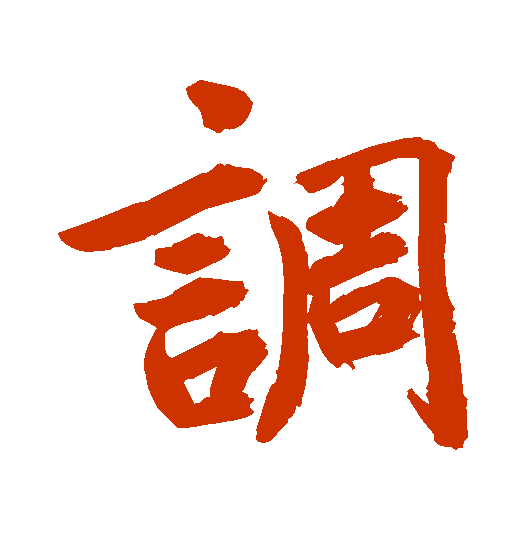
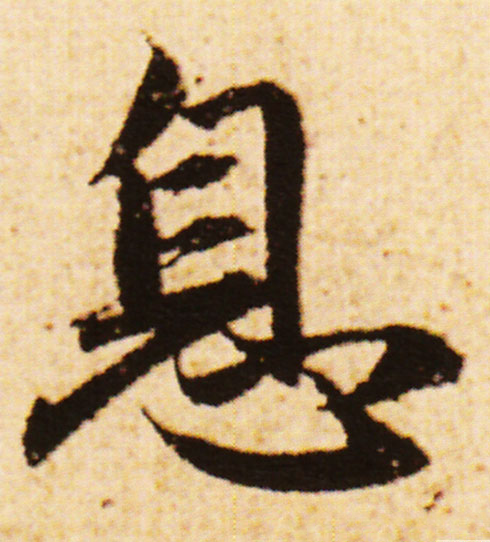
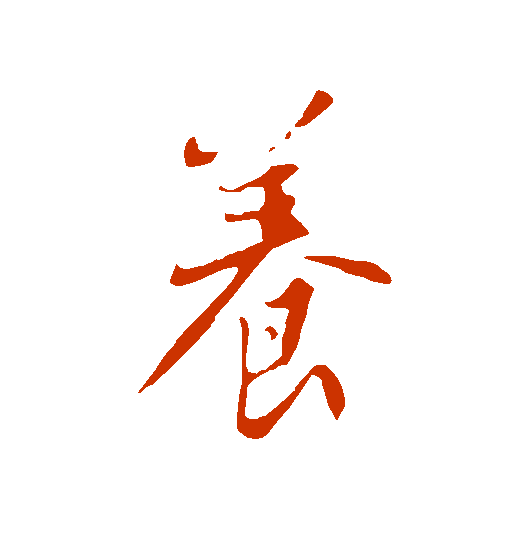
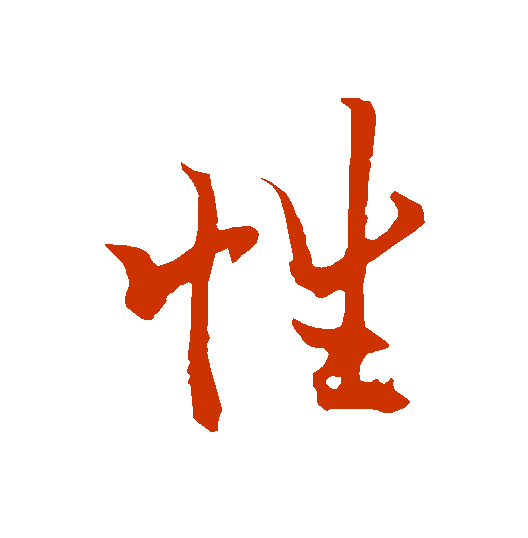
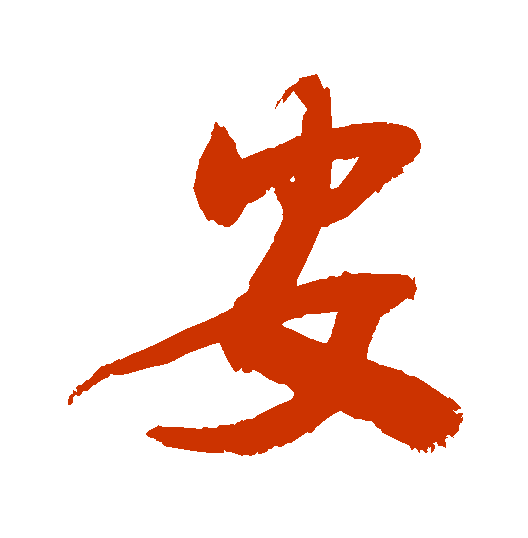
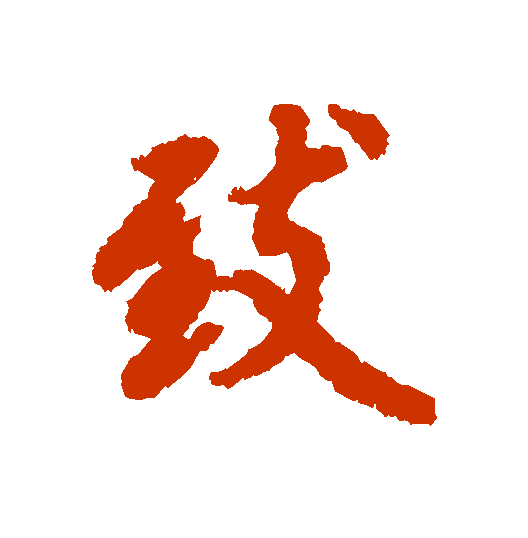
○ Chinese Calligraphy - Clerical Script (A Declaration to My Future Self)
The broad, stable, and rhythmic nature of clerical script is perfect for carrying "promises to the future." Today, use the weight of these words to tell your future self: you will not be defined by this present moment.
- Sentence writing:
- When I grow up, I may not be perfect, but I will be more powerful than I am now.
- In the future, I may not be perfect, but I can be stronger than I am now.
- Writing Tips:
- When writing the characters for "strength," each stroke should be slow and heavy, allowing the wrist to feel the weight of the characters.
After writing it, look at the whole sentence and say to yourself:
“"While I ask myself if the future should be better, I am also practicing for that 'better'."‘


○ Draw a path to the future: A therapeutic art exercise
When you're afraid of the future, drawing out the path "from now on" will make you feel more concrete and in control than just imagining it in your mind.
I. The Small Steps from Today to Five Years Later
- Draw a five-step staircase, with each step representing a year.
- In the first stage, write: "Recognize emotions, begin practicing pausing for 3 seconds";
- The second step is to write: "Find someone you can confide in (teacher/counselor/friend)";
- The third level of writing: "Try to accomplish something you couldn't do before";
- The fourth step is to "learn to do a post-mortem analysis, not just blame yourself";
- The fifth level states: "I can see my own power even more clearly than I do now."
This is not a business plan, but a map that allows you to "grow slowly".
II. A Silhouette of My Future Self
- Draw a silhouette of your future self. It doesn't need to be too complicated; just the outline is enough.
- Write down three qualities you hope your future self will possess inside the outline: for example, "more stable", "more self-aware", and "less afraid to ask for help".
- Write a sentence next to the silhouette: "Thank you for not giving up on me."“
Please log in before submitting your drawings and feelings.
○ 1339. Suggestions for a Journal to Guide Your Future and Present Self
① Honestly write down the answer to the future you are most afraid to hear, and why it scares you so much.
② Write down three specific scenes in your mind that represent "a better" situation. Do not use abstract words, but rather specific contexts.
③ Complete the sentence: "To make my future self stronger, I can do one very small thing today, which is..."“
④ Write a short letter of three lines. The first line is for your present self, the second line is for your self one year from now, and the third line is for your self five years from now.
Please log in to use.
“Will I be better off when I grow up?”
The question itself is evidence of your desire to live and your desire for change.
May this lesson be a starting point—
No longer just afraid of the future, but step by step paving the way for a more powerful version of yourself.
 EN
EN  ZH
ZH  ES
ES  FR
FR  JA
JA