

Lesson 1382: Symptoms and Manifestations of Narcolepsy
Duration:60 minutes
Topic Introduction:This course focuses on the main clinical manifestations of narcolepsy, helping students identify the differences from daily fatigue, anxiety, and lack of sleep, and gain an in-depth understanding of typical symptoms including sudden onset of sleep, lack of attention, and morning drowsiness, laying the foundation for subsequent conditioning and treatment.
○ Typical symptoms of narcolepsy
- Daytime drowsiness and weakness:Feeling drowsy for a long time regardless of whether you get enough sleep.
- Sudden onset of sleep:Falling asleep suddenly while in a meeting, talking, or even walking.
- Inattention:Frequent distraction and absent-mindedness during prolonged focused tasks.
- Morning discomfort:Unable to stay awake for a long time after getting up, often accompanied by physical fatigue or dizziness.
▲ AI interaction: analyzing your sleepiness patterns
Common symptoms include falling asleep repeatedly during the day, difficulty waking up, poor concentration, and memory loss. These symptoms are not a sign of failure, but rather a request for regulation and rhythm.
Please record the three times today when you feel most like napping and write down what you did in the previous 30 minutes (eating, screens, exercise). They are like a map pointing to where you can make adjustments.
Use a 1-5 scale to assess your sleepiness and recovery time, and review your progress after a week. The data will speak for you, reducing the need for self-blame or blind responses.
Write down a scenario that affects you the most and design a "low-cost alternative": stand for five minutes, wash your face with cold water, and breathe for four beats. Adjust first, then continue.
Remind yourself: When I choose to rest, I am supporting long-term sobriety, not being lazy; taking care of my body will slowly bring my focus back.
Click the button below to work with AI to identify possible sleepiness symptoms and get coping suggestions and lifestyle adjustments.
○ Symptoms and manifestations of narcolepsy · Music therapy
Excessive sleepiness may manifest as long naps, frequent daytime sleepiness, or waking up feeling tired. Play a slow string piece to gently process these experiences.
Record your most obvious moments of sleepiness over the past week, arranging them on a piece of paper as if they were "notes." Let the music be the background, helping you see the repetition in the rhythm.
Write down three ways this has affected your studies, work, or relationships, not to blame but to understand. Melody can help you be more relaxed.
At the end, whisper to yourself, "I'm slowly finding my pace."
○ Herbal tea healing drink
Recommended drinks:Chrysanthemum Tea
Recommended reasons:Chrysanthemum clears the liver and improves eyesight, relieves dizziness and has a mild regulating effect on the heavy eyes, head and lack of energy that accompany sleepiness.
usage:Take 3-5 chrysanthemum flowers and brew them in 90°C hot water for 5-8 minutes. It's best consumed in the morning or afternoon. Add goji berries to boost energy and eyesight.
○ Ayurvedic spice soup
The warm, spicy aroma and refreshing broth work together to stimulate circulation and induce light perspiration, alleviating the sluggishness and tension associated with prolonged sitting. This balanced hydration and electrolyte balance is ideal for daily relaxation and restoring balance in rainy or air-conditioned environments.
Healing Recipes
/home2/lzxwhemy/public_html/arttao_org/wp-content/uploads/cookbook/a-yu-fei-tuo-xiang-liao-tang.html(Please confirm that the following has been uploaded: a-yu-fei-tuo-xiang-liao-tang.html)🎨 Themed Mandala
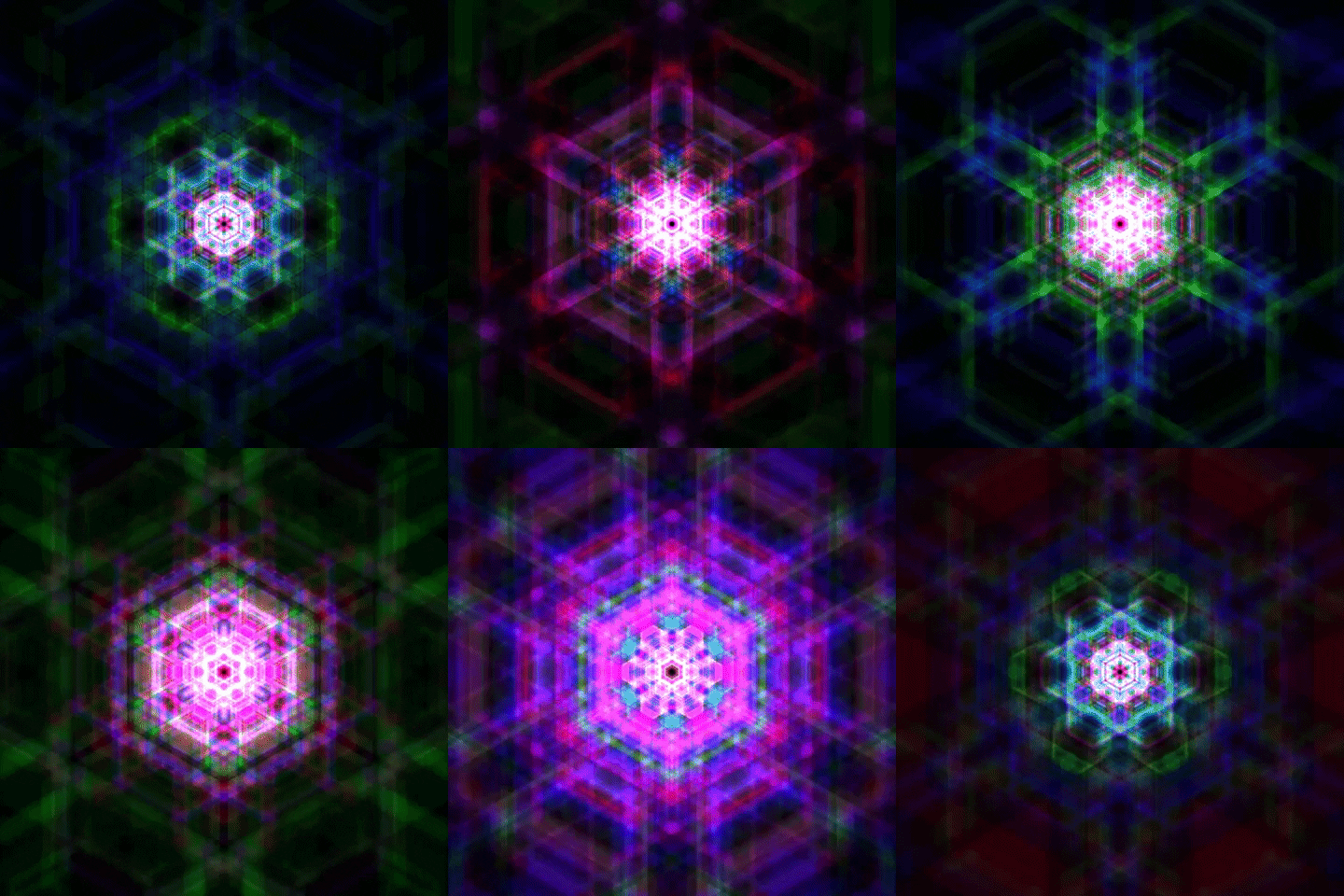
This lesson suggests creating a mandala pattern around the "Light of Awakening", which can be in the form of radiating from the inside out, symbolizing the gradual clarity of consciousness and the restoration of energy.
Applicable issues:Persistent sleepiness, blurred concentration, and low spirits.
○ Medieval Gothic calligraphy practice
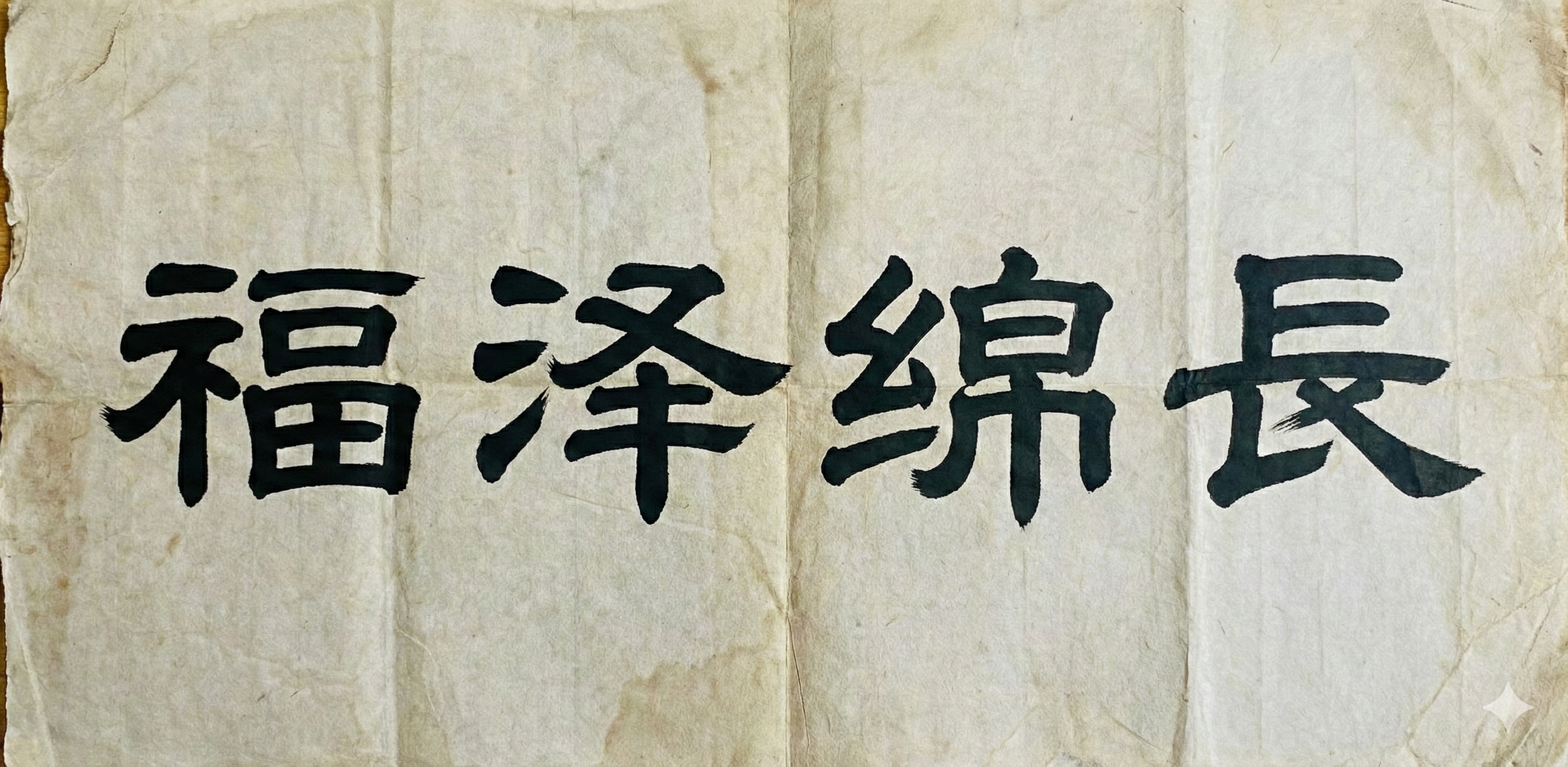
The Gothic script has a steady, clear structure, making it ideal for focusing attention and activating thinking. This lesson is recommended for morning practice to stimulate concentration and verbal expression.
Practice sentences:
“I am aware of my body’s signals and gently awaken my inner energy.”
I notice the signals of my body and gently awaken my energy.
It is recommended to use an ink pen and practice writing slowly so that you can feel every stroke and gradually regain mental clarity.
○ Symptoms and manifestations of narcolepsy: Suggestions for guidance on painting therapy
This page uses creative drawings to externalize the experience of "Excessive Daytime Sleepiness (EDS): from the fluctuation of wakefulness, sudden naps to the feeling of sleep at night, turning the indescribable state into visible images for self-observation and medical communication. The goal is to seeWhen, where, and in what formEasiest to feel sleepy or fall asleep.
1. Awakeness Electromagnetic Spectrum (0–10 Intensity × Daily Time Series)
- Draw a "day axis" (morning-noon-evening) and a vertical axis (alertness 0-10) on a piece of paper. Use a continuous "wave line" to record the fluctuations in alertness over the course of 3-7 days.
- Paste a small icon where the curve suddenly drops:Slumber/nodding、Automatic behavior(doing things without knowing it),Memory gap.
- Mark the signs next to each trough: heavy eyelids, yawning, blurred vision, slowed reaction (choose one to color).
2. Doze Radar and Context Map (Scenario × Intensity)
- Draw a radar chart with five axes: sitting quietly listening to lectures, looking at the screen or browsing the phone, riding/commuting, resting after meals, and reading/meeting.
- Each axis was scored 0–10 (higher = easier to fall asleep), and the lines were connected to form a “sleepiness profile.”
- Draw a small map next to it, mark the scenes with scores ≥7 at specific locations (such as the last row of the classroom, the late-night subway), and circle the "high-risk areas".
Tips: Sleepiness-related symptoms may be related to a variety of sleep disorders or physical and mental factors (such as idiopathic hypersomnia, narcolepsy, rhythm disorders, medication/metabolic factors, etc.). Drawing can help record patterns, but it cannot replace professional evaluation; ifDrowsiness while driving, sudden muscle weakness and falls, frequent sleep paralysis, or significant impairment in school or workPlease seek a sleep specialist/psychiatric evaluation as soon as possible and bring this page with you for communication.
Please log in before submitting your drawings and feelings.
○ 1362. Symptoms and Manifestations of Narcolepsy • Journaling Guidance Suggestions
① Symptom description: Difficulty staying awake, falling asleep during the day, and lack of concentration. Please use neutral words to record and do not judge.
② Three records: what you were doing 30 minutes before the onset; how you felt at the peak; what you did after the relief.
③ Intensity Scale: Use 1–5 points to assess sleepiness and recovery time, and check in at the same time every day.
④ Situational map: Mark out high-risk scenarios such as classroom/meeting/riding in a car to prepare for tomorrow.
Please log in to use.
Being awake doesn't mean forcing yourself to wake up, but rather a gentle, autonomous call. I hope you'll slowly find your own rhythm of awakening in this lesson.
 EN
EN  ZH
ZH  ES
ES  FR
FR  JA
JA