

Lesson 1383: Causes and Risk Factors of Narcolepsy
Duration:65 minutes
Topic Introduction:This course will help participants gain a comprehensive understanding of the potential causes of narcolepsy, including neurological disorders, mood disorders, and unhealthy lifestyles. It will also explore common risk factors for narcolepsy, such as a high-sugar diet, nighttime stimulation, and lack of exercise, to help develop proactive regulatory and preventative mechanisms.
○ Common causes of narcolepsy
- Central nervous system disorders:Abnormal brainstem and thalamus function leads to imbalance in sleep-wake regulation.
- Chronic fatigue or mood disorders:Such as depression, anxiety and other long-term depletion of nervous system vitality.
- Endocrine disorders:For example, hypothyroidism and abnormal blood sugar can cause physical fatigue.
- Lifestyle factors:Excessive brain use at night, lack of exercise, and long-term unbalanced nutrition.
▲ AI interaction: Find out the root cause of your sleepiness
Possible causes include disrupted sleep structure, circadian rhythm irregularities, medications and comorbidities, stress, and emotions. Please use "possibly" to avoid arbitrary judgment or self-blame.
Write one factor that you think is relevant from the three dimensions of work and rest, environment, and body and mind, and add a verifiable clue, such as sleep records or recent stressful events.
Look for "prelude signals": a heavy head, dry eyes, and frequent yawning. Associate each signal with a micro-intervention, such as stepping away from the screen, stretching your neck and shoulders, or drinking warm water.
Write down two small supports your family/colleagues could offer, such as allowing a short walk or five minutes of afternoon sunlight, to reduce the stress of working alone.
Conclusion: Understanding the cause is not about assigning blame, but about finding small steps that can be taken to leave room and patience for change.
Click the button below to discuss the causes of your current sleepiness with AI and get personalized life adjustment suggestions.
○ Causes and risk factors of narcolepsy · Music therapy
The cause of sleepiness may involve sleep structure disorders, psychological stress, or other diseases. Please play a cello piece; the deep tone will remind you to explore gently.
Write down the three most likely reasons you think they are. Don't rush to judge right or wrong. The music is flowing, like helping you turn chaos into order.
Record your body's most common prelude signals, such as a heavy head, dry eyes, and a lapse in concentration. They are prompts, not punishments.
At the end, write down a sentence to comfort yourself: "Knowing the cause is the first step in learning to take care of yourself."
○ Herbal tea healing drink
Recommended drinks:Chrysanthemum Tea
Recommended reasons:Chrysanthemum helps clear away heat, improve eyesight, soothe liver fire, and improve drowsiness caused by eye fatigue or mental anxiety.
usage:Take 3 to 5 dried chrysanthemums, brew them with hot water for 5 to 7 minutes and drink it. You can add wolfberry or honey in appropriate amounts.
Turmeric Chicken Stew
High protein combined with the spicy flavor of turmeric supports post-training recovery and helps regain focus during stressful periods. The soup is warming and easily digestible, leaving a satisfying and satisfying feeling without feeling heavy, making it ideal for warming up in the evening and integrating your energy for the next day.
Healing Recipes
/home2/lzxwhemy/public_html/arttao_org/wp-content/uploads/cookbook/jiang-huang-ji-rou-dun-tang.html(Please confirm that the file has been uploaded: jiang-huang-ji-rou-dun-tang.html)🎨 Themed Mandala
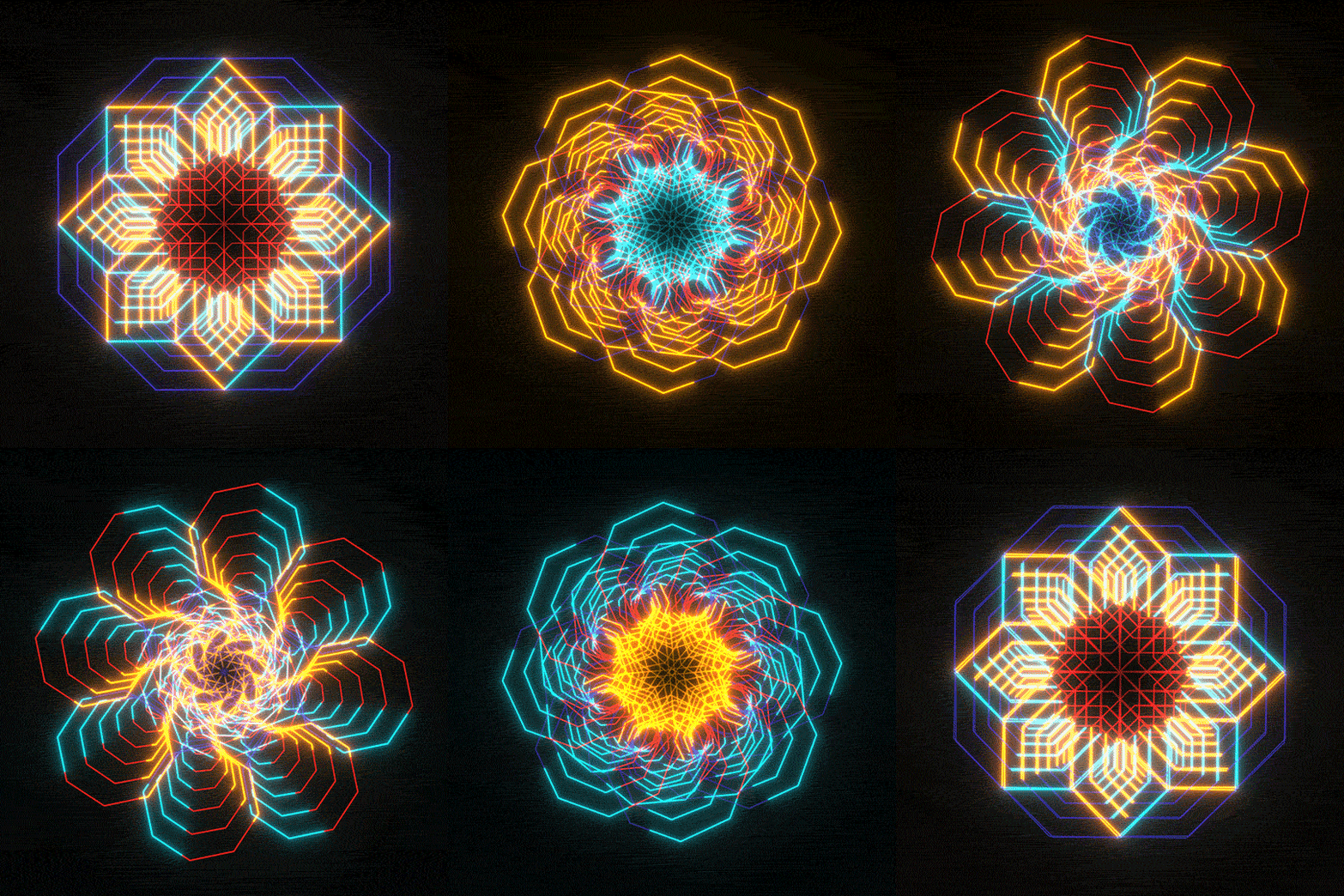
This course recommends creating mandalas with the theme of "energy balance" or "body rhythm", using images to perceive unbalanced parts of the body and convey the intention of harmony.
Applicable issues:Long-term fatigue, unexplained fatigue, and circadian rhythm disorders.
○ Medieval Gothic calligraphy practice
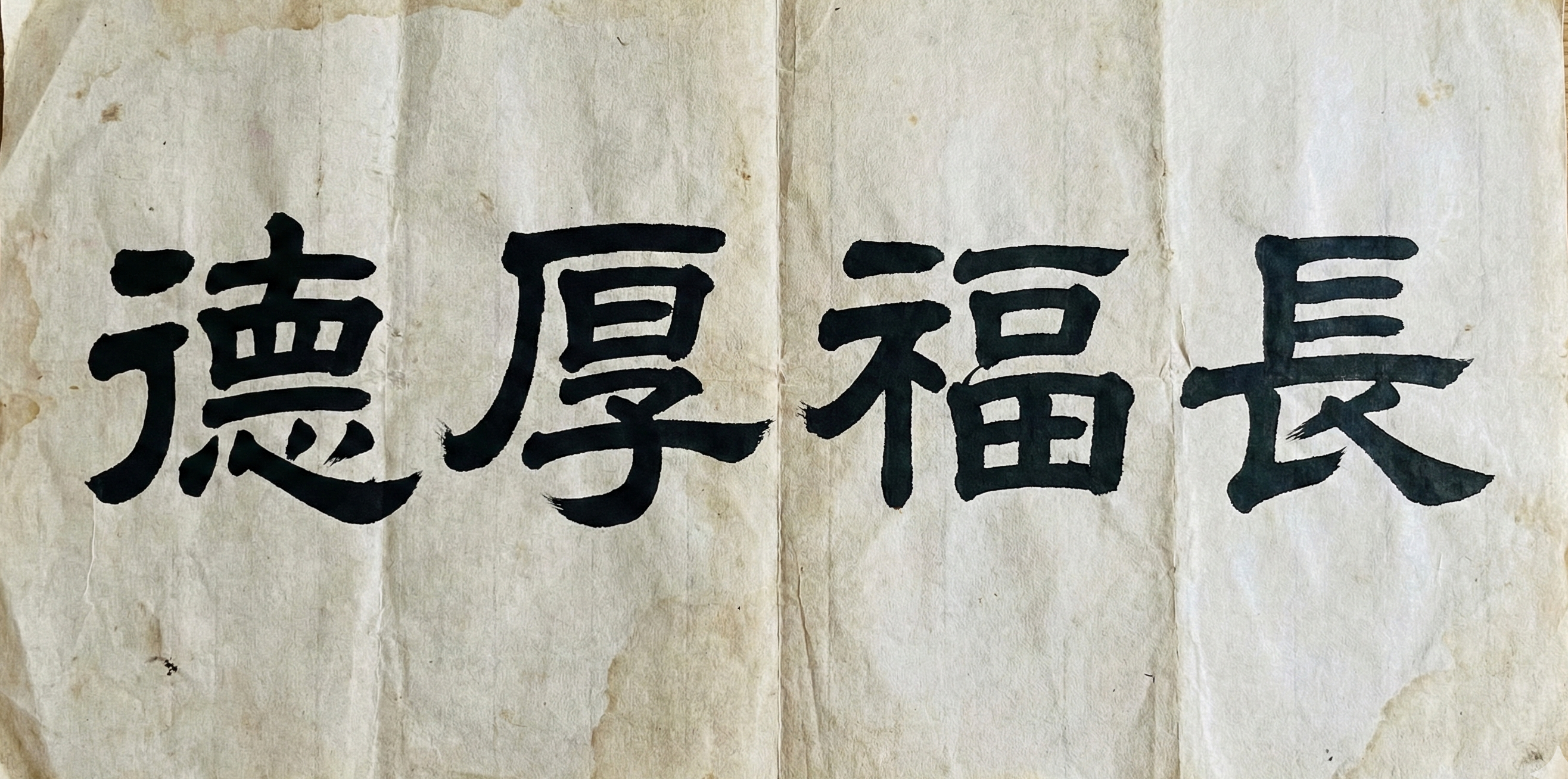
Gothic script has a distinct structure and is suitable for focused practice. This lesson suggests combining "awareness" and "rhythm" in calligraphy expression.
Practice sentences:
“I understood the reasons and learned to regulate my body and mind’s rhythm.”
I understand the cause and learn to regulate my rhythm.
You can practice with light music. It is recommended to write each stroke slowly to synchronize with your breathing rhythm, which helps to harmonize your body and mind.
○ Causes and risk factors of narcolepsy: guidance and suggestions for painting therapy
This page uses creative drawings to externalize the possible causes and risk factors of narcolepsy into images.Neurological mechanisms, sleep structure abnormalities, genetics, and environmental stressDrawing can help you organize these complex factors into a "visible map," reducing self-blame and increasing understanding.
1. Genesis Tree (Root → Trunk → Branches)
- Draw a tree: write "genetics/neurotransmitter abnormalities/family history" on the roots; write "sleep structure disorder/wakefulness system abnormalities" on the trunk; write "drug side effects/psychological stress/bad life rhythm" on the branches and leaves.
- Use color to mark the two things that have the greatest impact on you on the leaves.
- A reminder was written next to the tree: "The causes are multiple and intertwined, not personal laziness."
2. Risk Scale
- Draw a scale: left plate = risk factors (staying up late, caffeine abuse, psychological stress, unstable circadian rhythm), right plate = protective factors (regular sleep and rest, exercise, supportive relationships, relaxation training).
- Write down your common behaviors on the scale and see which side is heavier.
- Write on the bottom of the scale: "Adjustment = Increase protection."
Tip: The causes of hypersomnia are often multifaceted. Drawing can help clarify the underlying causes, but it cannot replace a medical diagnosis. If daytime sleepiness significantly affects safety (such as driving, studying, or working) or is accompanied by symptoms such as muscle weakness or hallucinations, please seek immediate support from a sleep specialist or neurologist.
Please log in before submitting your drawings and feelings.
○ 1383. Causes and Risk Factors of Narcolepsy: Journal-Guided Recommendations
① Possible sources: sleep structure, circadian rhythm, medication and comorbidity, stress and emotion. Please use "possible" to describe first.
② Three-dimensional review: Write one clue each about daily routine, environment, and body and mind, and attach observable evidence.
③ Prelude signal: Match a micro-intervention for “frequent yawning/heavy eyelids/distraction”.
④ Resource Inventory: Who can help me? Classmates/colleagues/family members/teachers, write one possible support for each.
⑤ Risky situations: List the two times when you are most likely to feel sleepy, and plan to see light or walk around ten minutes beforehand.
Please log in to use.
When you begin to explore the causes, you have taken the first step towards healing. May you understand your own rhythm in this lesson and calmly harmonize your energy with your life.
 EN
EN  ZH
ZH  ES
ES  FR
FR  JA
JA