

Lesson 1377: Preventing Sleep Relapse and Worsening
Duration:60 minutes
Topic Introduction:
Sleep improvement is not a linear process. Even after entering a relatively stable sleep stage, "recurrent insomnia" can still occur due to stress, environmental changes, or disrupted sleep rhythms. This course will guide you to identify common warning signs of relapse (such as anxiety resurgence, pre-sleep mood swings, travel-induced circadian rhythm disruption, and high work pressure) and build a self-care strategy to "remain calm and cope when insomnia recurs." We will combine behavioral coping plans, emotional stabilization exercises, AI-assisted risk point identification, the "daily restart" ritual of Chinese black tea, the soothing function of Chinese soups, and symbolic reminders from seal carving and mandalas to help you establish a long-term sleep support structure to "prevent worsening." The goal is not to never experience insomnia again, but to have resilience and confidence in the face of fluctuations.
○ Prevention of Sleep Relapse: Four Key Components
- Identifying early signs:Be aware of risk signs such as disrupted daily rhythms, increased daytime fatigue, and heightened pre-sleep anxiety.
- Establish a buffer:Instead of rushing to "remedy" the situation, first stabilize your wake-up time and daytime rhythm, allowing your circadian rhythm to find its anchor point.
- Restoration Ceremony:Restart your regular bedtime routine: black tea → music → washing up → mandala → bedtime, to help your body and mind recognize the signals to fall asleep.
- Stay calm and composed:Allow yourself to have a few sleepless nights, and don't rush yourself to "recover quickly" to avoid worsening the condition due to increased anxiety.
▲ AI Interaction: Create Your "Relapse Prevention Checklist"“
Please write down common signs that appeared before your sleep deteriorated in the past (such as "recent work overload", "memories of old friends", "going to bed earlier", etc.).
Next, write down coping methods that you have used but that have worked, such as: "maintaining the same wake-up time", "soaking your feet before going to bed", "listening to the same music", etc.
Finally, please create a reminder statement for yourself, such as: "Even if I don't sleep well tonight, I won't panic. I know what to do."“
Click the button below to let AI generate a "Rapid Response Card for Recurrent Sleep Crisis," which you can download, save, or stick on your bedroom wall.
○ Music Therapy: Returning to the Embrace of Rhythm
When you feel like you're about to have trouble sleeping again, you can use the following music exercises to help yourself avoid going into "emergency mode" and instead restart your trust in "rhythm".
Music selection suggestions:
- Use a soothing tune that you are most familiar with, without changing or adding any variations.
- Playback times: once after dinner and once before bedtime.
- Playback method: Do not wear headphones, let the sound flow naturally, and do not enter a state of "control".
○ Chinese Black Tea Healing Drink
Recommended drinks:Zhenghe Gongfu Black Tea - Emotional Buffer Tea
Recommended reasons:Zhenghe Gongfu Tea has a mellow aroma and mild properties, making it particularly suitable as a calming beverage during the "pre-relapse stage." The tea has a subtle woody fragrance, which helps soothe the mind and calm anxiety.
usage:It is recommended to drink this tea regularly every afternoon, using a gentle brewing method, and avoiding strong brewing. While drinking the tea, close your eyes and sit quietly for three minutes, silently repeating: "I don't need perfect sleep, I just need some stability."“
Lotus Seed, Lily Bulb, and Job's Tears Soup
This soup is best consumed two hours before bedtime. It has the effects of calming the mind and soothing the nerves, as well as dispelling dampness and harmonizing the stomach. Lotus seeds and lily bulbs help stabilize emotions, while Job's tears regulate the spleen, stomach, and water circulation. Overall, it is gentle and nourishing, making it a soothing and nourishing soup for those experiencing sleep disturbances.
Warm and nourishing spleen
Suitable for temporary recuperation
○ Theme Mandala - Viewing Guide
This mandala is structured with a "constant center and fluctuating edges," symbolizing the natural state of "a stable core but fluctuating periphery" during sleep. Even if the edges are disturbed, the center remains stable.
It is recommended to meditate for a few minutes each day, slowly shifting your gaze from the outer, fluctuating lines to the center, reminding yourself: "I am not controlled by fluctuations; I have a stable core."“
Applicable scenarios:Those who have just experienced several sleepless nights, are prone to relapse, and are afraid of losing control again.

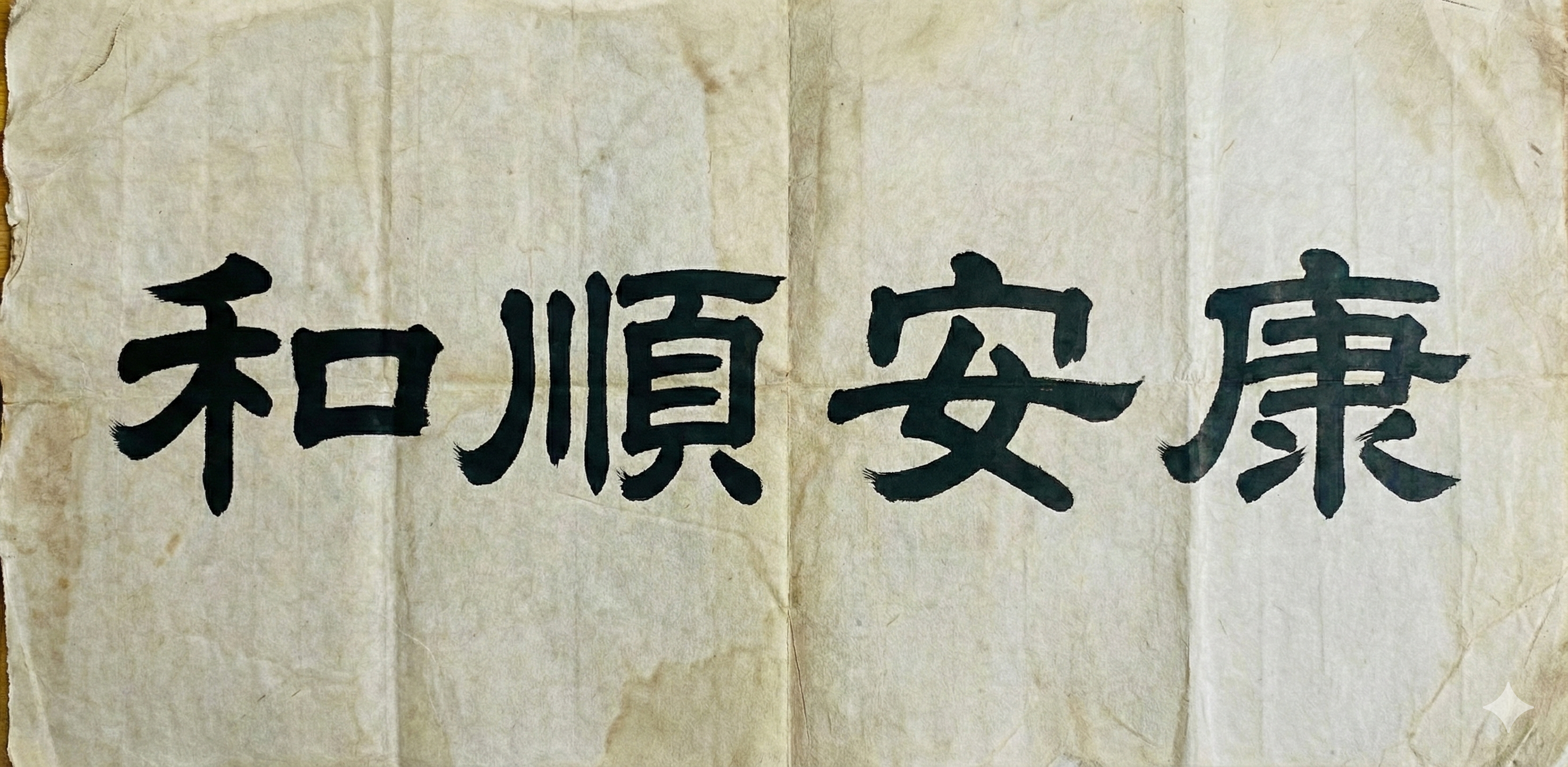
○ Chinese Calligraphy and Seal Carving Imagery Practice
When you feel uneasy again, please write this sentence in seal script: "Fluctuations may come, but the rhythm is not lost."“
Fluctuations may come, but rhythm remains.
Write this sentence slowly, word by word, into the square frame. Take a breath after each word you write, and refocus your attention on your core experience of "being stable before and still being stable now".
○ Sleep Relapse Map: Guided Suggestions for Art Therapy
When you feel like you're "out of control again," use a visual approach to help yourself organize your thoughts: a relapse is not a failure, but a temporary fluctuation in your rhythm. This exercise helps you see the "relapse path" clearly, rather than fearing it.
I. Drawing a "Sleep Rhythm Wave Map"“
- Use a wavy line to plot your sleep rhythm over the past week or month, with peaks indicating good sleep and troughs indicating insomnia.
- Mark what you did during the peak? What you overlooked during the trough? Write down your observations.
- Write a reminder next to the chart: "I am in flux, yet I still possess rhythm."“
II. Draw a "Relapse Response Wheel"“
- Draw a circular turntable and divide it into six sections: Black Tea/Music/Mandala/Deep Breathing/AI Writing/Early Morning Walk.
- Choose one option to take action; you don't need to do them all.
Tip: Painting isn't about documenting a breakdown, but about evoking your resilient memories. You've weathered the storm, and you can recover again.
Please log in before submitting your drawings and feelings.
○ 1377. Sleep Relapse Prevention: Journal-Guided Recommendations
① Log entry: What was your emotional state before bed tonight? Did you have any thoughts of "I'm going to have insomnia again"?
② Coping behavior: Which "rhythm tool" did you use today? Did it help you feel more at ease?
③ Stable signal: Record what event makes you feel "I can still control the pace"?
④ Relapse Reminder: Please write down what you want to remind yourself tonight and put it on the first page of your notebook.
Please log in to use.
You don't need to never experience insomnia. You just need to know how to navigate the fluctuations when they come.
 EN
EN  ZH
ZH  ES
ES  FR
FR  JA
JA