

Lesson 1386: Identifying Excessive Daytime Sleepiness
Duration:60 minutes
Topic Introduction:
Excessive daytime sleepiness (EDS) is not only an extension of fatigue, but may also be a signal of abnormality in the neuroarousal system. This course will focus on how to identify the key differences between "pathological sleepiness" and "stress-related fatigue." We will introduce common behavioral cues of EDS, including involuntary sleep onset during social activities, meals, reading, and commutes; analyze related causes such as sleep apnea, narcolepsy, shift work rhythm disorders, or side effects of antidepressants; and help you understand "whether you are losing control of your daytime wakefulness." The course also incorporates herbal tea activation drinks, Ayurvedic spice meals, Gothic calligraphy awakening exercises, and mandala visual focus to guide you to regain control of your rhythm in the gray area between "wanting to sleep" and "being awake," and break out of the cycle of continuous daytime mental breakdown.
Key points for identifying excessive daytime sleepiness
- Involuntary sleep:I can't help but fall asleep during meetings, reading, and conversations.
- Still sleepy after waking up:Despite sleeping 7–9 hours at night, I still find it difficult to wake up and feel groggy in the morning.
- High alertness fluctuations:He is in a good mental state at certain times, but is severely disoriented at other times.
- Increased dependence on coffee:Frequent reliance on stimuli for brief arousal.
- Excluding insomnia characteristics:They fall asleep quickly and sleep deeply, but are still prone to "unexpected sleepiness" during the day.
▲ AI Interaction: Your "Carefulness Curve" Map
Please describe your day:
- The time period when it's hardest to wake up (from what time to what time?)
- The scenarios in which you are most likely to fall asleep suddenly (such as while traveling, in a meeting, or while reading).
- Are there any blank periods in a day where it feels like you've forgotten about something?
AI will help you generate a "wakefulness-vulnerability timeline" and suggest rhythm enhancement methods and necessary medical testing clues.
○ Music Therapy & Lucid Rhythmic Stimulation
For those who are prone to sleepiness, the "music-based wake-up method" can gently replace caffeine and establish a neural arousal anchor.
Practice method:Play clear, rhythmic background music (such as light percussion and drum beat adjustment tracks) at fixed times every day.
After three days, the brain will gradually establish an automatic wake-up connection that "this melody = need to stay awake".
○ Herbal tea healing drink
Recommended drinks:Cinnamon, Rosemary, and Licorice Herbal Tea
Recommended reasons:Drinking it in the morning can activate the sympathetic nervous system and increase alertness; licorice balances the adrenal glands; cinnamon warms the body, and rosemary refreshes the mind.
usage:Drink before breakfast every day, no later than noon. While drinking, silently say, "I gently brighten my day."“
○ Ayurvedic Spiced Chicken Breast
This meal is prepared using yang spices such as ginger, cinnamon, cumin, and fennel. It can be served as an "awakening meal" at midday, helping to alleviate afternoon drowsiness by regulating the spleen and stomach and boosting yang energy. Ayurveda emphasizes that food is the starting point for energy conversion; lunch is not just about nutritional replenishment, but also a source of awakening willpower.
Warm and nourishing awakening
Regulate your biological clock
○ Theme Mandala - Viewing Guide
The mandala for this lesson is called "The Spiral of Awakening Light": the outer circle is blurred and gradually changes color, and the center is a beam of focused light, representing the process of gradually awakening from "consciousness slumber".
Slowly move your gaze to the center of the light, take deep breaths, and feel yourself refocusing in this drowsy fog. No judgment is needed; simply observe. Each time drowsiness strikes, return to the center and train yourself to "bring clarity back to reality."
Applicable issues:People who are prone to suddenly falling into a state of "dissociation" or "automatic actions" in their daily lives.

○ Medieval Gothic calligraphy practice
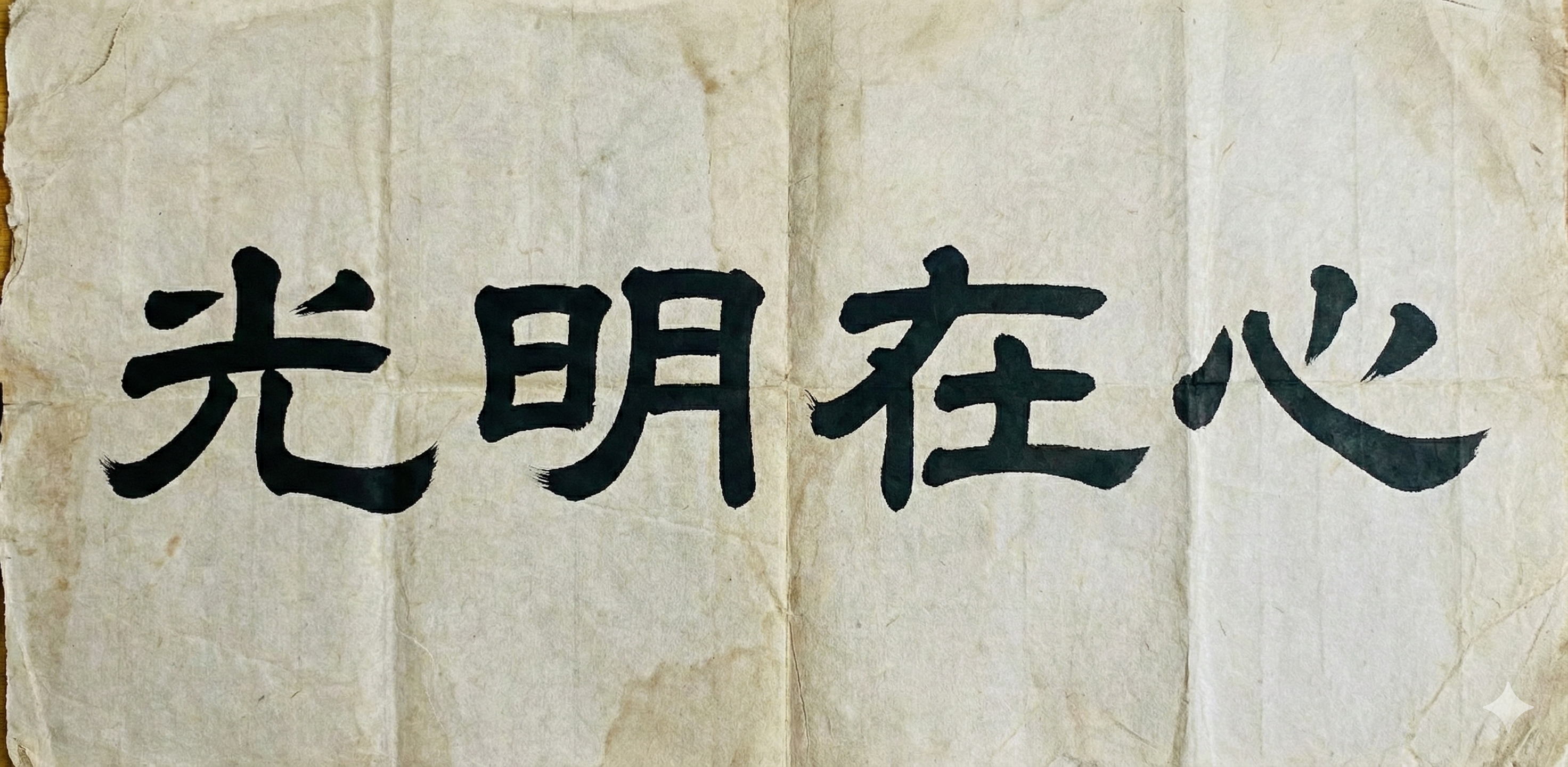
Practice sentences:“"Light gathers around me, and I remain awake throughout the day."”
Let light gather, and the day hold me awake.
Write this sentence in Gothic script. It is recommended to practice once a day in the morning, choosing sturdy paper and using black ink with a red border to enhance visual stimulation. Practicing concentration and decisive strokes within the font's structure will help awaken the will to act in the morning.
“`
○ Daytime sleepiness: Art therapy guidance suggestions
Drawing out the state of "wanting to wake up but unable to" helps me realize that it's not that I'm not trying, but that my body is really crying out for help.
1. Draw a "daytime twilight map".“
- Draw a clock circle using 24 hours in a day.
- Use red shading to mark the time periods when you are most tired.
- Use bright-colored halos to mark periods of wakefulness.
II. Draw the "Awakening Trigger Totem"“
- Draw a pattern that has a sense of light or rhythm, such as a spiral, lightning, rays of light, or the sun.
- Place it where you most often feel sleepy (computer desk, dining table, book cover) to become your "wake-up anchor".
It doesn't have to be perfect, just authentic. It's a visual contract between you and your own will to wake up.
Please log in before submitting your drawings and feelings.
“`
○ 1386. Daytime Sleepiness Detection: Log-Guided Suggestions
① What time was you most sleepy today? In what situation did it happen?
② Have you ever experienced sudden drowsiness, absent-mindedness, or mental blankness? Please describe a specific instance.
③ Were there any activating activities today (herbal tea, music, sunlight, meditation)? How effective were they?
④ Tomorrow's plan: Choose a time when you are most tired, try to insert one "awakening intervention", and record the feedback.
Please log in to use.
Those who can't wake up aren't necessarily lacking in willpower. Don't blame yourself yet; let's start with our rhythms and slowly regain control of the daytime.
 EN
EN  ZH
ZH  ES
ES  FR
FR  JA
JA