

Lesson 1389: Symptoms of Drowsiness During Work and Study
Duration:60 minutes
Topic Introduction: This course focuses on "Excessive Sleepiness in Work and Study," specifically how excessive sleepiness gradually erodes efficiency, confidence, and interpersonal relationships when it invades situations requiring alertness and high concentration. Some people struggle to stay focused during crucial sections of lectures, meetings, report writing, or exam preparation; others are constantly misunderstood as "unfocused," "unprofessional," or "lazy," eventually leading them to doubt their abilities and worth. This course will help you distinguish between ordinary fatigue or boredom-induced drowsiness and those potentially related to hypersomnia; how excessive sleepiness affects memory, decision-making, and executive function; and why feelings of shame can create a vicious cycle. Prioritizing safety, we will discuss communication methods with teachers, colleagues, and superiors, and incorporate herbal teas, Ayurvedic spiced chicken breast, mandala visualization, and medieval Gothic calligraphy practice to help you find a more honest and feasible compromise between realistic demands and your physical and mental limits.
○ Key points of excessive sleepiness during work and study
- It's not simply a matter of "not getting a good night's sleep":Having difficulty staying awake during the day for weeks or months often indicates a deeper sleep and circadian rhythm problem.
- Hidden damage to performance:Excessive sleepiness affects concentration, memory, and information integration, leading to a decline in the quality of learning and work, but it is often misinterpreted as an attitude problem.
- Shame and concealment:Many people use jokes, self-deprecation, or forcing themselves to stay awake to mask their tiredness, thus delaying the opportunity to seek reasonable support.
- Environmental and task-related impacts:Monotonous, uninterrupted, or mentally taxing tasks are more likely to trigger drowsiness and require special arrangements.
- From "pretending nothing's wrong" to "strategically seeking help":Learning to identify high-risk periods, design alternatives, and build basic understanding with key others are important steps toward long-term coexistence.
▲ AI Interaction: Create Your "Work/Study Sleep Radar Chart"“
When drowsiness occurs in work or study settings, you might not be most concerned about the drowsiness itself, but rather how others will perceive you. This section invites you to first be honest with yourself, and then consider how to communicate with others.
Step 1: Write down 3–5 specific situations in the past one to two weeks in which you most often felt sleepy or dozed off at work or school, including the time, the type of task, and how you felt at the time.
Step 2: Label each situation with a "risk level" (e.g., affects grades, affects job evaluation, affects safety), and your current coping strategy (tough it out, drink coffee, hide, etc.).
Step 3: Pick the scenario you most want to improve first, and write down your ideal state of "slightly better" rather than perfect, such as "at least not falling asleep in meetings".
Click the button below to let AI help you create a "Sleepiness Radar Chart and Response Plan," including high-risk tasks, negotiable adjustments, and key points to discuss with your teacher/supervisor, so you're no longer fighting alone.
○ Sleepiness during work/study: Music therapy
In learning and working settings, music can be both a source of distraction and a "rhythm resetter." The key is to learn to use it to differentiate between focused attention and short breaks, rather than simply using it to keep you awake.
Exercise 1: Prepare two different playlists for yourself: one for focused listening (steady tempo, few or no lyrics), and one for short breaks (softer, more relaxing melodies). Clearly distinguish between them on your computer or phone.
Exercise 2: When you feel too sleepy to read, allow yourself to enter a "3-5 minute rest mode": play a rest list, close your eyes or stretch gently, and let your brain acknowledge "I am overloaded" instead of pushing yourself to the point of complete collapse.
Exercise 3: 5–10 minutes before an important task, use a fixed track from your focus list as a “starting signal” to gradually conditioned your brain to enter a state of relative focus when you hear these songs.
In conclusion, music is not meant to eliminate drowsiness, but to help you become more aware of energy changes, create a buffer zone before you break down, and give yourself a more flexible rhythm.
○ Herbal tea healing drink
Recommended drinks:Rosemary Verbena Tea
Recommended reasons:Rosemary is considered a symbol of "memory and alertness," while verbena has a refreshing yet not overly stimulating aroma. The combination of the two makes for a gentle pre-work/study ritual, subtly awakening the brain without relying excessively on stimulants.
usage:Steep 1 gram of rosemary and 1–2 grams of verbena in 90°C hot water for 5 minutes. Drink 15–20 minutes before starting to study or handling a critical task, while briefly reviewing your to-do list. Avoid drinking large amounts too late in the evening to prevent further disrupting your circadian rhythm.
○ Ayurvedic Spiced Chicken Breast - Energy Plate for Studying and Working Days
Chicken breast is marinated with turmeric, cumin, coriander seed powder, a little ginger, and black pepper, and then cooked by baking or pan-frying with a little oil. This combination provides the brain with stable protein and moderate spiciness, helping to maintain relatively stable blood sugar and nerve activity, avoiding the "excitement followed by collapse" caused by high-sugar, high-fat diets, thus reducing sudden extreme drowsiness during long periods of study or work.
○ Theme Mandala - Viewing Guide
The theme mandala of this lesson uses the image of "petals of attention": the outer circle consists of slightly blurred petals, symbolizing the focus that is constantly "eaten away" by drowsiness throughout the day; the petals gradually close inward, and the color changes from grayish-white to a brighter golden yellow, representing that you concentrate your limited energy on the most important tasks within a limited amount of time; the center is a small dark seed, symbolizing your self-esteem and sense of worth, which need to be well protected, rather than being negated after every nap.
Simply observe: let your gaze slowly move along the slightly weary petals of the outer circle, acknowledging that you have indeed experienced many moments of "sitting at your desk but unable to stay awake"; then gently shift your gaze to the brighter part of the inner circle, imagining that as your carefully reserved periods of focused attention. Finally, rest your gaze on the seed in the center and say to yourself, for example: "My worth is not determined by each nap; I am learning to accomplish real-world tasks while being sleepy."“
Applicable issues:Frequently feeling sleepy while studying or working, and worrying about being misunderstood as lazy or unreliable.

○ Medieval Gothic calligraphy practice
The vertical lines and regular spacing of Gothic calligraphy provide a sense of structure for the brain, especially when you're feeling drowsy. This section uses short sentence exercises to help you balance work and study stress while taking care of your physical well-being.
Practice sentences:
“"I'm working, and I'm also taking care of my sober self."”
I work, and care for wakefulness.
Write this sentence on paper in a Gothic style, deliberately making the vertical strokes stable and the horizontal strokes slightly tighter, feeling a power to "refocus scattered attention." After writing it, jot down a small thing you're willing to try today, such as "having a energizing lunch before a long task" or "scheduling simple tasks during your most tired period." Let writing become a new contract you negotiate with yourself, rather than another piece of evidence to blame yourself.
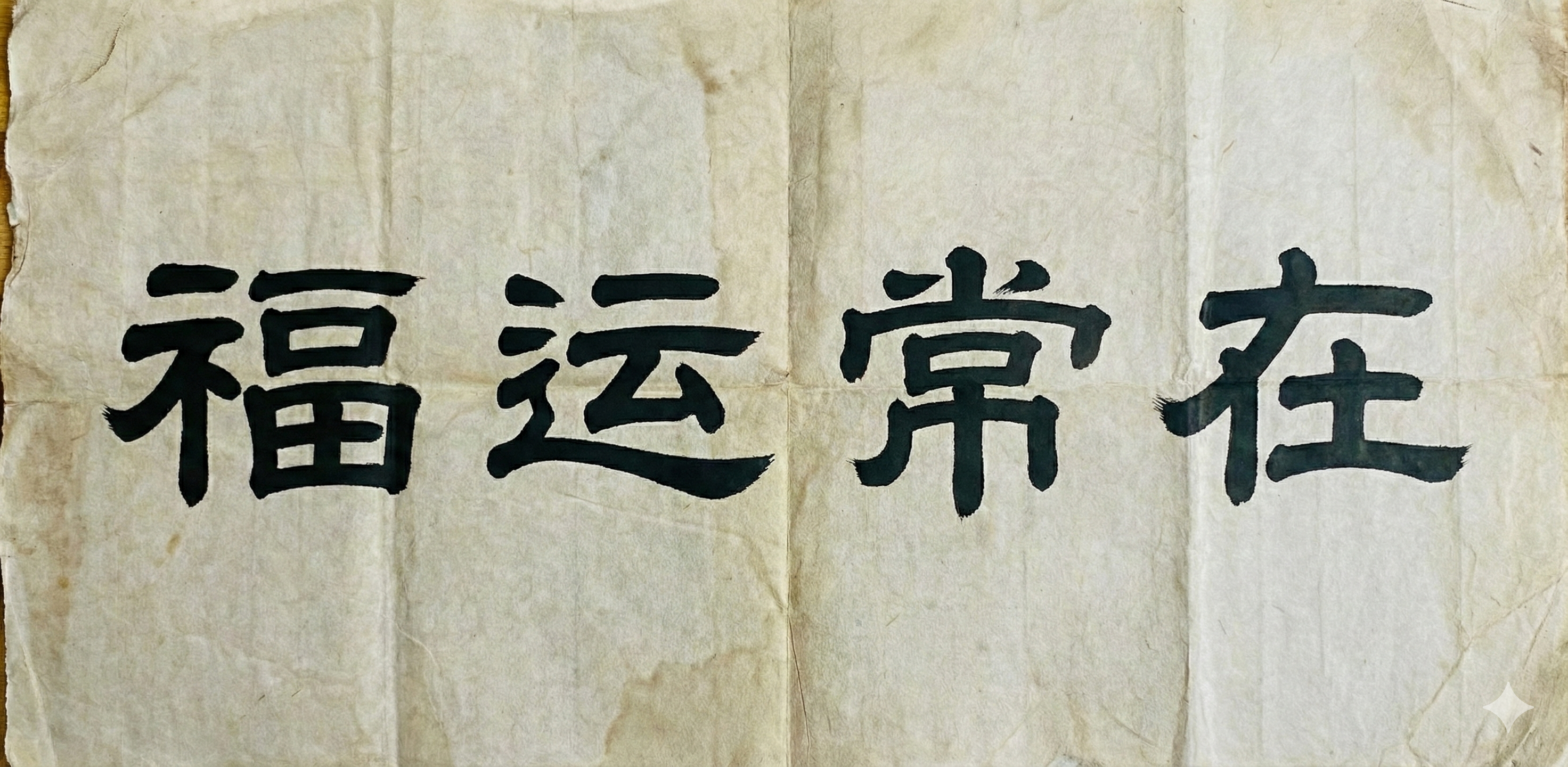
○ Excessive sleepiness during work and study: Guidance and suggestions for art therapy
This page uses illustrations to depict the experience of "sitting at your desk but constantly losing your grip," showing you that you're not intentionally slacking off, but rather that your mind and body are overloaded, and you're using drowsiness as a self-protective mechanism. Our goal is to make this protection safer and more negotiable.
1. Draw a "Task Energy Table".“
- Draw a simple table: the horizontal axis represents morning, afternoon, and evening, and the vertical axis represents "high-difficulty task", "medium-difficulty task", and "easy task".
- Reflect on the past week and fill in the table with the times and tasks when you were most likely to feel sleepy, marking them with darker colors as "high-risk areas for sleepiness".
- Write a sentence in the edge of the table, such as: "I need to allocate tasks according to energy, not just stack them according to requirements."“
2. Draw a "safe line for allowing rest".“
- Draw an arc on the same piece of paper, connecting "completely persevere" and "completely give up", and mark several rest points in the middle, such as "briefly close your eyes and rest", "change to a simple task", "drink herbal tea and take a short walk".
- Choose a stop that you can currently make, draw a small icon next to it, and write down which day and which specific scenario you plan to start trying.
- Remind yourself: These rest stops are not about being lazy, but about finding a safer middle ground between the demands of reality and your own limits.
Note: If you experience frequent, uncontrollable drowsiness, significant memory impairment, or face serious safety risks and substantial losses as a result, please seek professional medical and psychological evaluation as soon as possible. Drawing exercises can help you process your current situation, but they cannot replace professional diagnosis and treatment.
Please log in before submitting your drawings and feelings.
○ 1389. Excessive Sleepiness During Work and Study: Journal-Based Guidance Suggestions
① Sleepiness log: Write down 1–2 moments each day when you are most sleepy or dozing off at work/study, including the task and duration.
② Impact Reflection: Write a sentence after each entry: Did today's excessive sleepiness affect "performance", "interpersonal impression" or "safety" the most? This helps you distinguish between different levels of stress.
③ Adjustment Experiment: Choose one small adjustment that can be implemented for the next day, such as "scheduling simple tasks during the most tiring period" or "preparing a lunch with stable energy in advance." Record the results of implementation each day, simply describing them regardless of whether they are good or bad.
④ Self-attitude: Write a new self-statement at the end of your journal, such as "I am not deliberately not working hard; I am looking for a viable way to work/study alongside my sleepiness." Observe for a week whether this sentence becomes slightly more real to you.
Please log in to use.
When drowsiness intrudes on your work or study, please remember: you are not a sinner "pretending to be lazy," but someone who needs to be understood and supported. Taking care of your wakefulness is also taking care of every responsibility you strive to maintain.
 EN
EN  ZH
ZH  ES
ES  FR
FR  JA
JA