

Lesson 1395: Depression-Related Excessive Sleep
Duration:60 minutes
Topic Introduction: This lesson focuses on "depression-related excessive sleep," helping you understand why depression not only causes low mood but also puts the body on "shutdown," resulting in prolonged sleepiness, difficulty waking up, daytime drowsiness, and persistent fatigue. Depression-induced sleepiness isn't laziness; rather, it's the brain's way of protecting itself by lowering its energy levels to a minimum, reducing activity to prevent further breakdown. Therefore, the more uncomfortable and powerless you feel, the more likely your body is to seek temporary self-anesthesia or escape by "sleeping more." Depressive-related excessive sleepiness is often accompanied by: feeling heavy after waking, repeatedly going back to bed, lack of interest in anything, decreased attention, and feeling like you're in a fog all day. Unlike narcolepsy, it's more like deep psychogenic fatigue. Ignoring this and relying solely on willpower to "force yourself awake" often leads to deeper frustration. This lesson will help you identify the characteristics, mind-body pathways, and differences between depression-induced excessive sleepiness and other causes of excessive sleepiness. It will also incorporate herbal teas, mandala viewing, Ayurvedic spice therapy, and Gothic calligraphy practice to establish a stable but non-coercive rhythm, guiding you back to a sense of normalcy.
○ Key points about depression-related somnolence
- Energy is "emotionally depleted":Low mood and self-doubt often cause the brain to automatically shut down high-energy states.
- Difficulty getting out of bed recurs:It's not drowsiness, but rather an inability to "start".
- Feeling drowsy during the day but may be alert at night:Disrupted circadian rhythms are a typical symptom of depressive hypersomnia.
- Loss of interest and increased procrastination:Sleep has become an escape, not a means of repair.
- Unlike narcolepsy:Depressive hypersomnia is more a result of "low psychogenic energy" than a sudden attack of sleep.
▲ AI Interaction: Recording "Fatigue Caused by Emotional Exhaustion"“
Depressive hypersomnia often stems from emotional stress rather than a problem with sleep itself. This section invites you to analyze these subtle clues.
Write down the times in the past three days when you most wanted to sleep, and the emotions you felt at that time (such as helplessness, emptiness, self-blame, numbness).
Write down the phrase you say most often, such as: "I don't want to move," "I'm so tired," or "Being awake is painful."
Finally, write a sentence expressing your feelings that you hope will be understood, such as: "I'm not lazy, I'm just feeling really bad."
Click the button below to let AI help you create an "emotional exhaustion map," helping you understand that fatigue is not a failure, but a cry for help from your heart.
○ Depressive-type somnolence - Music therapy and guidance
The fatigue of depression often cannot be relieved by strong stimulation, but gentle, slowly unfolding musical phrases can help the brain maintain a basic level of alertness even when energy is low.
Exercise 1: In the morning, play a piece of music with a fixed but not fast rhythm to allow your body to gradually "rise from the fog".
Exercise 2: In the afternoon, choose light but not overly stimulating music to help your thoughts avoid stagnation.
Exercise 3: If the music fails to boost your motivation, write it down. This is an important indicator of emotional fatigue.
In conclusion, music is not about forcing you to cheer up, but about helping you maintain a minimum level of alertness so that you don't completely sink into darkness.
○ Herbal tea healing drink
Recommended drinks:Lemon balm and rosemary invigorating tea
Recommended reasons:Lemon balm brings a sense of stability and calm; rosemary can slightly improve alertness, making it especially suitable for mental fog and sluggishness caused by depressive fatigue.
usage:Steep 1 teaspoon of lemon balm and 1 teaspoon of rosemary in hot water for 5–7 minutes. It is recommended to drink this in the morning.
○ Ayurvedic Spiced Chicken Breast: Supports Both Emotions and Energy
Depressive hypersomnia is often accompanied by insufficient nutrient intake or an imbalanced eating rhythm. Warm spices such as cumin, turmeric, cinnamon, and black pepper can stabilize blood sugar and boost mood energy; adequate protein prevents the body from rapidly depleting its energy levels in the morning and afternoon. These are suitable for maintaining basic metabolic and emotional resilience during periods of depression and fatigue.
○ Theme Mandala - Viewing Guide
This lesson's mandala theme is "The Double Shadow of Emotions and Energy": the outer ring features slowly spreading gray-blue patterns, symbolizing the blurring of the outer world in a state of depression; the middle ring is a deep, misty structure, symbolizing the heaviness of the heart; and the center is a small, warm point of light, symbolizing the life energy you still retain.
Please observe only: First, gaze at the outer gray-blue, allowing your fatigue to be acknowledged; then look at the misty layer in the middle, feeling "It's not that I'm not trying, but that my heart is too tired"; finally, stop at the point of light and whisper to yourself, "I'm still here, I will slowly come back."“
Applicable issues:Fatigue caused by prolonged bed rest, frequent changes in bed position, difficulty starting the day in the morning, and depressive mood.

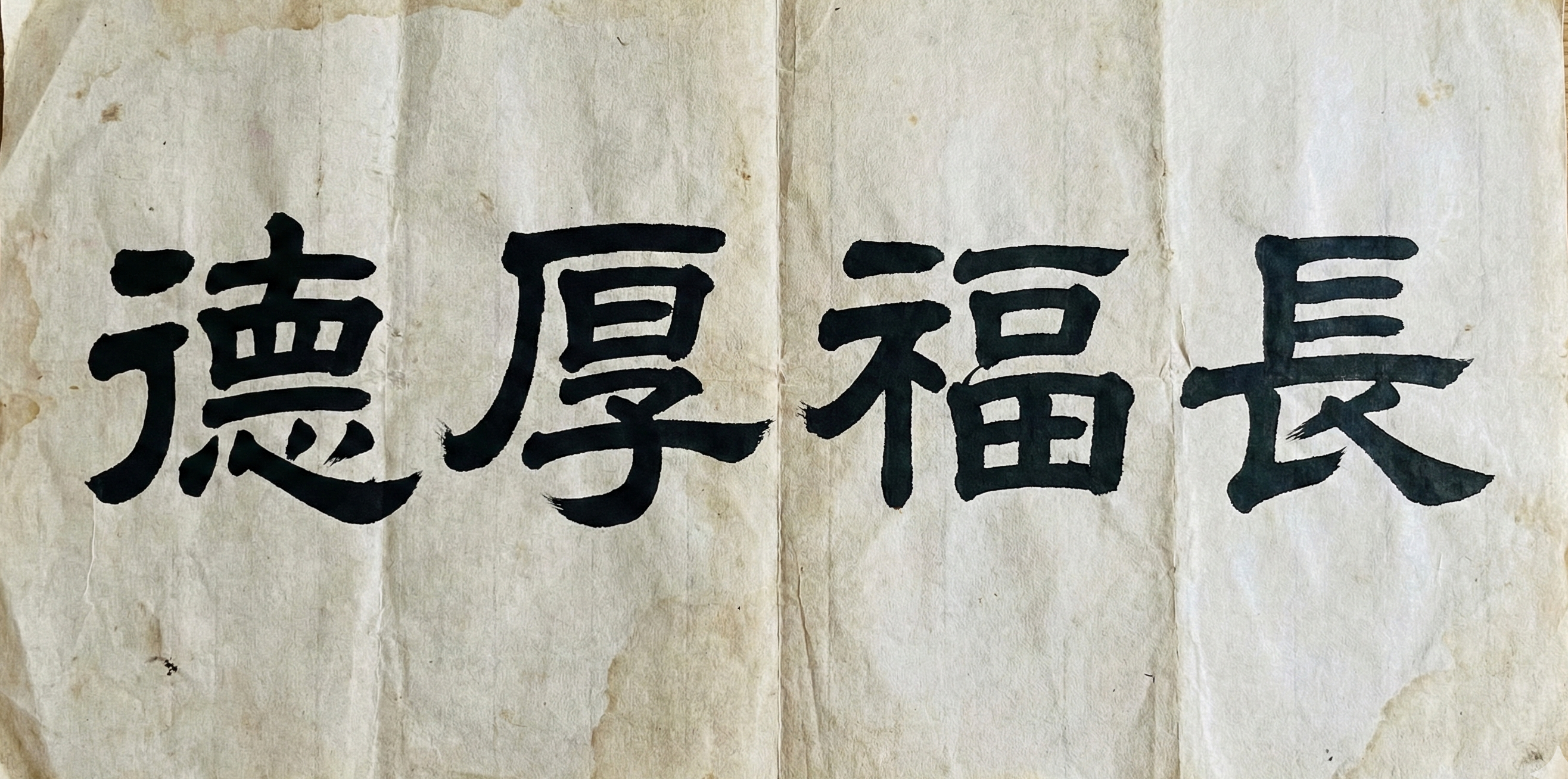
○ Medieval Gothic calligraphy practice
When feeling heavy-hearted, the structural brushstrokes of Gothic calligraphy can bring "stability and order," helping you rediscover a sense of mental boundaries.
Practice sentences:
“"Exhaustion is not failure; I am recovering."”
Fatigue is not failure; I am recovering.
When writing, make each stroke feel like you are building a psychological support for yourself, and let slowness become a kind of strength.
○ Depressive-type hypersomnia: Art therapy guidance suggestions
Depression causes energy to sink deep into the ground. This painting exercise helps you see the "heavy layers" instead of simply blaming yourself.
I. Emotional Cloud Map
- Draw three layers of "clouds": the outer layer is light, the inner layer is dark, and the middle layer has a few light spots.
- Write down the emotion that makes you feel particularly exhausted, such as "I can't muster any energy for anything."
- Leaving the light spots blank symbolizes your energy that has not been completely extinguished.
II. Starting the Difficult Map
- Draw a "morning path" and mark the obstacles from waking up to getting out of bed.
- Write down the moment when it was hardest to start, such as "I didn't move after opening my eyes".
- Let the images help you see: This is not laziness, but the deep-seated mechanism of depression.
Friendly reminder: When you can draw the heaviness, the heaviness will no longer weigh you down completely.
Please log in before submitting your drawings and feelings.
○ 1395. Depression-Related Excessive Sleep: Journal-Guided Suggestions
① Record your mood today: Write down the moment when you most wanted to lie down, and how you felt at that time.
② Source of fatigue: Observe whether today's fatigue is more like "not getting enough sleep" or "being too emotionally exhausted".
③ Self-understanding: Write a sentence that does not blame yourself, such as "I am recovering".
④ Minor Actions: Write down one "small action" you would like to do, such as drinking tea, stretching, or looking at the sky.
Please log in to use.
Excessive sleep is not laziness, but a protective reaction after emotions have been suppressed to the limit. You are slowly returning to yourself.
 EN
EN  ZH
ZH  ES
ES  FR
FR  JA
JA