

Lesson 1396: Abnormal Nighttime Sleep Structure and Excessive Sleepiness
Duration:60 minutes
Topic Introduction: This lesson focuses on how "abnormal nighttime sleep structure" leads to daytime sleepiness, helping you understand that even if you get enough sleep, your brain may be unable to recover energy due to disrupted sleep structure. Normal sleep consists of a rhythmic cycle of light sleep, deep sleep, and rapid eye movement (REM) sleep. Stress, depression, anxiety, excessive fatigue, pain, prolonged screen exposure, breathing difficulties, and environmental disturbances can all disrupt these cycles at night. The result is that your body thinks you've slept seven or eight hours, but your brain only receives fragmented pieces, like a disassembled jigsaw puzzle, unable to repair emotions, integrate memories, or restart the energy system. If you wake up feeling like you haven't slept, experience daytime drowsiness, poor concentration, afternoon "power outages," or even excessive dreaming, nighttime awakenings, and morning headaches, these could all be signs of structural abnormalities. This lesson will guide you to identify the core signals and common causes of damaged sleep structure, and how to "observe" sleep through rhythm, herbal teas, and mandalas, combined with a mild Ayurvedic diet and Gothic calligraphy, to make nighttime sleep more coherent and reduce daytime sleepiness.
○ Excessive sleepiness caused by abnormal sleep structure - Key points
- Insufficient deep sleep:The body cannot repair itself or replenish its energy.
- Excessive or fragmented REM:Frequent dreaming, difficulty recovering from emotional distress, waking up early and feeling tired.
- Frequent awakenings at night:Sleep is fragmented, and you're most tired in the early morning.
- Disruption of rhythm:An unstable sleep onset time leads to a disordered sleep cycle.
- Unlike sleep deprivation:Even if the duration is sufficient, a poor structure can more easily lead to persistent drowsiness.
▲ AI Interaction: Record your "Nighttime Structural Clues"“
Sleep structure abnormalities are often more common than you might think. This section helps you understand what actually happens at night.
Write down what happened in the past three nights: whether you had many dreams, whether you woke up suddenly, whether you felt tired after waking up, and whether you had chest tightness or difficulty turning over.
Write down what you did an hour before bed (e.g., scrolling on your phone, worrying about something, feeling tense).
Finally, write a sentence about your observation of your nighttime experiences, for example: "I seem to be running in my dreams the whole time."“
Click the button below to let AI help you generate a "Nighttime Fragmented Sleep Report" as the first step in improving your circadian rhythm.
○ Nighttime structural abnormalities · Music therapy guidance
People with poor sleep patterns may feel even more tired during the day if they listen to overly stimulating music. This section uses the "rhythm stabilization method".
Exercise 1: When you have low energy during the day, use slow, continuous, repetitive notes to help your brain regain a sense of rhythm.
Exercise 2: Use very soft, wordless music at night to avoid increasing brain activity during dreams.
Exercise 3: Record "which music makes you dream more", which is an important clue to understanding sleep structure.
○ Herbal tea healing drink
Recommended drinks:Lemon Balm & Chamomile Balancing Tea
Recommended reasons:Lemon balm can stabilize nerve rhythms; chamomile makes light sleep at night smoother, reducing excessive dreaming and awakenings.
usage:Brew and drink 40 minutes before bedtime, and can be combined with two deep breathing exercises.
○ Ayurvedic Spiced Chicken Breast: A Daily Aid for Restoring Nighttime Circadian Rhythms
The core issue of abnormal nighttime sleep structure lies not in "catching up on sleep," but in the stability of daytime circadian rhythms. Ayurvedic spices can warm the digestive system and reduce nighttime discomfort; the combination of protein and spices can reduce large fluctuations in blood sugar after meals, indirectly reducing the frequency of nighttime awakenings and creating conditions for more complete sleep cycles.
○ Theme Mandala - Viewing Guide
This mandala is themed "Fragmentation and Reconnection": the outer circle consists of broken light-colored lines, symbolizing fragmented sleep cycles; the middle circle has gradually connected textures, symbolizing the reintegration of rhythms; and the center is a stable white-gold ray of light, symbolizing the deep rest experienced after the brain regains its coordination.
Please observe only: feel the fragmentation of the outer circle, which reminds you that fatigue is not your fault; then move towards the gradual continuity of the middle circle, understanding that you are recovering; stop at the center point of light and let yourself whisper, "I deserve a truly uninterrupted night's sleep."“
Applicable issues:Having many dreams, feeling tired upon waking, frequent nighttime awakenings, morning drowsiness, and daytime sleepiness.

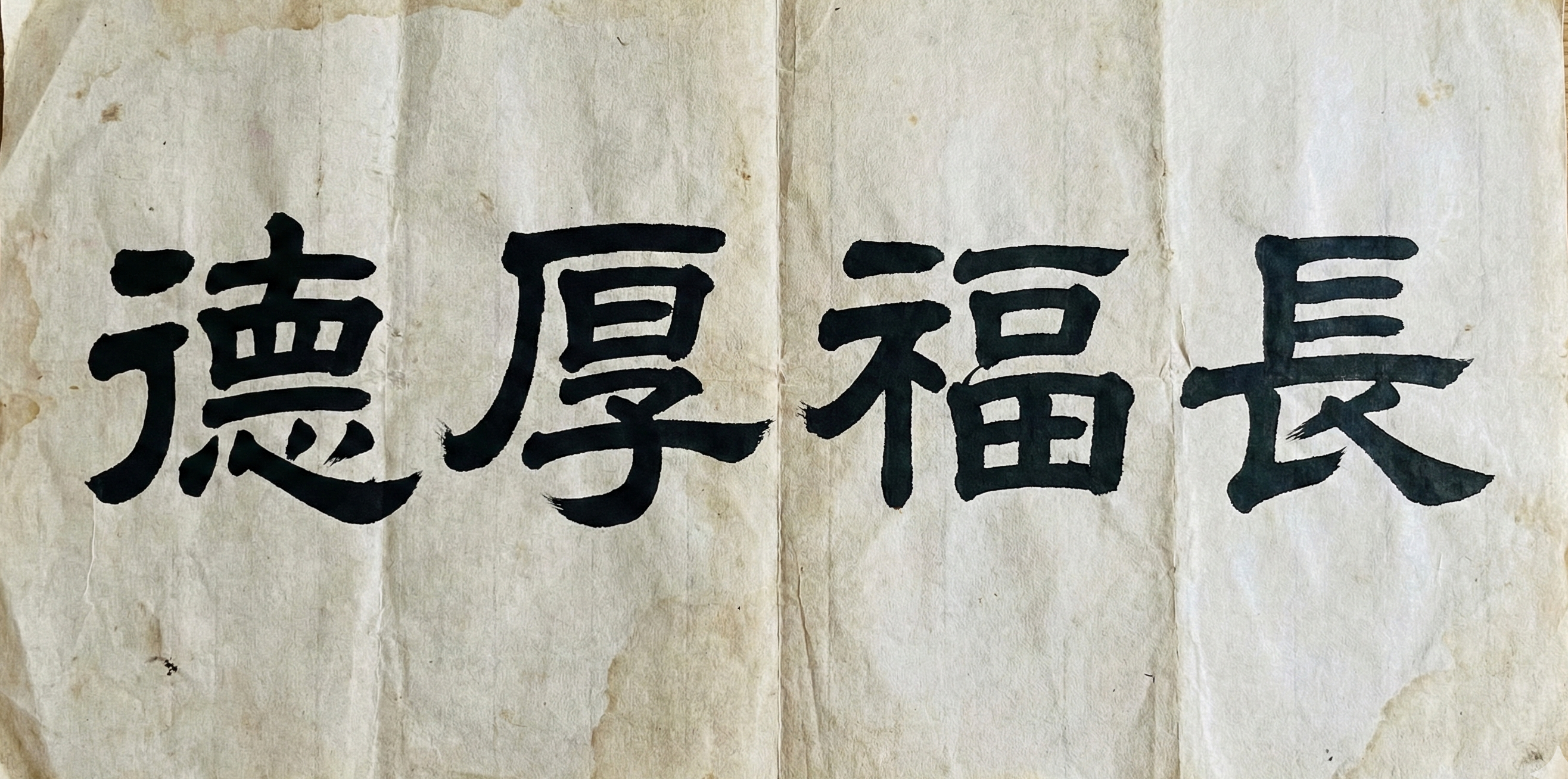
○ Medieval Gothic calligraphy practice
The Gothic structure is stable and suitable as a "daytime rhythm anchor point," allowing the nighttime sleep structure to gradually improve.
Practice sentences:
“"Sleep needs to be consistent, not more."”
Rest needs continuity, not just hours.
Writing with slow, consistent strokes helps to create a more orderly rhythm during the day, which in turn shapes the sleep structure at night.
○ Nighttime sleep structure abnormalities: Art therapy guidance suggestions
Abnormal sleep structure often leaves you feeling more tired when awake than when asleep. These drawing exercises help you visualize fragments of your nighttime sleep.
I. Fragmented Sleep Chart
- Draw concentric broken lines to symbolize light sleep and sudden awakening.
- Write down the times or reasons when you usually wake up at the point of breakage.
- Let these fragments serve as evidence of "nocturnal structural anomalies," rather than as a reason to blame ourselves.
II. Rhythmic Reconnection Diagram
- Draw a line that gradually connects from the outside in to represent the restoration of sleep structure.
- Write an encouraging sentence in the innermost circle: "I am rebuilding the coherence of the night."“
Visualization can help you stop feeling like "not sleeping well is a failure" and instead understand that your body is adjusting its course.
Please log in before submitting your drawings and feelings.
○ 1396. Nighttime Sleep Structure Abnormalities: Journal-Guided Suggestions
① Write down how many times you woke up last night or how frequently you dreamed.
② Record a factor you suspect might cause you to wake up at night, such as stress, diet, or emotions.
③ Write a sentence reflecting your own understanding: "What I need is continuity, not harsh criticism."“
④ Choose an improvement you're willing to try, such as reducing your phone use before bed.
Please log in to use.
The disruption of your nighttime structure won't last forever. Your sleep cycle is slowly regaining its rhythm.
 EN
EN  ZH
ZH  ES
ES  FR
FR  JA
JA