

Lesson 1399: Memory Impairment and Attention Deficit
Duration:60 minutes
Topic Introduction: This lesson focuses on how impaired memory and attention deficit are significant triggers for excessive sleepiness, explaining why many people, despite sleeping for extended periods, still feel heavy, groggy, and have difficulty concentrating during the day. Memory and attention are two of the brain's most energy-intensive functions. When affected by stress, emotional load, fragmented sleep structure, frequent awakenings, poor breathing quality, or chronic fatigue, the brain enters an "energy conservation mode," reducing the burden of information processing by inducing sleepiness. Typical symptoms include: forgetfulness, difficulty absorbing reading material, falling behind in conversations, inattentiveness, staring at a computer screen without doing anything, and difficulty maintaining focus for more than a few minutes. This type of sleepiness is often accompanied by a "brain fog," "decreased comprehension," and "difficulty starting tasks," indicating not a lack of willpower, but rather an inability of the cognitive system to maintain alertness. This lesson will guide you to identify these signals, understand the interaction between sleepiness and memory/attention functions, and restore homeostasis through herbal teas, Ayurvedic spiced chicken breast, mandala visualization, and Gothic calligraphy exercises.
○ Memory and Attention Impairment - Key Points
- High energy consumption:Memory retrieval and maintaining focus are extremely energy-intensive, and when energy is insufficient, one is prone to drowsiness.
- Information filtering efficiency decreases:The inability to prioritize tasks leads to confusion and fatigue.
- Short-term memory is unstable:I forget what I just heard immediately, and I have difficulty learning and absorbing information.
- Task initiation difficulties:Procrastination is not laziness, but rather a failure to activate cognition.
- Attention lapse:I get distracted within minutes, my thoughts drifting away.
▲ AI Interaction: Find Your "Attention Breakpoints"“
Write down the three situations that most easily distract you today, such as: reading, typing, or being in a meeting.
Record your physical sensations each time you "distract yourself" (sleepiness, mental fog, chest tightness, blankness).
Here's another explanation you can accept: "I'm not inattentive, but my brain is overloaded."“
Click the button below to let AI generate an "attention fatigue mode" for you.
○ Attention Restoration & Music Rhythm Therapy
Exercise 1: Choose music with a light tempo and high repetition to help the brain establish an external rhythm.
Exercise 2: Play the video for 1–2 minutes before doing the task to help your brain get into a focused state.
Exercise 3: When your attention is lost, you can "reconnect the rhythm" with the same piece of music.
○ Herbal tea healing drink
Recommended drinks:Rosemary and Peppermint Refreshing Tea
Recommended reasons:Rosemary slightly enhances focus; peppermint boosts alertness but is gentle and non-irritating.
usage:It is recommended to drink it in the morning or afternoon when the temperature is low.
○ Ayurvedic Spiced Chicken Breast - A Stable Energy Source for Memory
When memory declines, blood sugar fluctuations are often unstable. Ayurvedic spiced chicken breast, with its ginger, cardamom, and fennel, aids digestion and stabilizes energy, providing the brain with a more stable energy supply during learning or task processing, reducing the occurrence of "sudden breaks in thought," and helping to regulate cognitive function during drowsy periods.
○ Theme Mandala - Viewing Guide
The mandala theme is "Return to Focus": the outer circle consists of scattered fragmented lines, symbolizing scattered attention; the lines in the middle circle gradually converge; and the center point is the core light spot of memory.
How to view: Let your gaze slide from the outer circle of the fragment to the middle circle, and feel the lines focus; when it stops at the center, say to yourself: "I allow my attention to return to the present moment."“
Applicable issues:Distractions, reading difficulties, forgetfulness, difficulty connecting tasks, and foggy-type drowsiness.

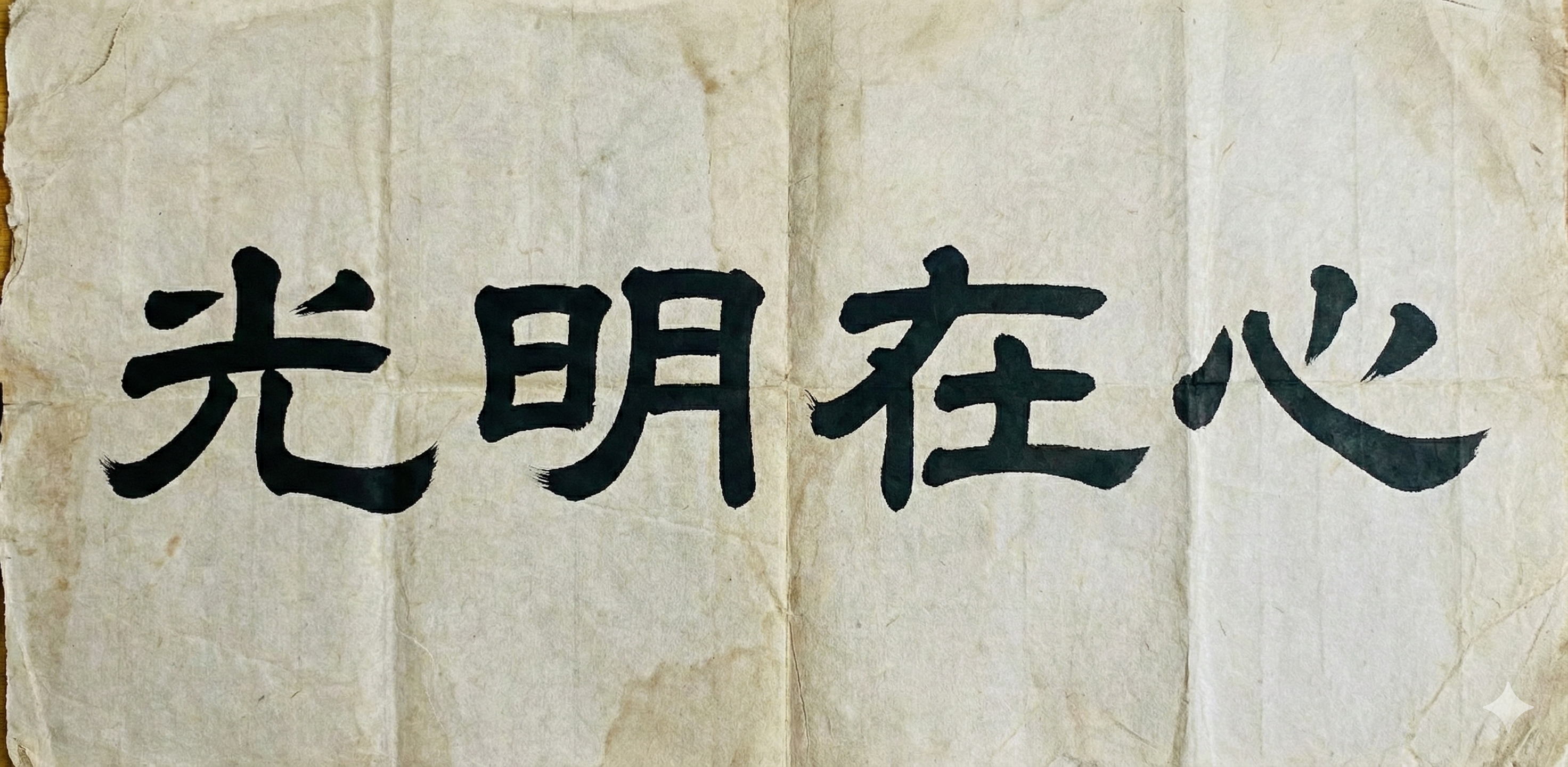
○ Medieval Gothic calligraphy practice
The writing process requires a stable rhythm and focus, making it ideal for attention training.
Practice sentences:
“My attention is returning to this area.”
My focus is returning to me.
During the writing process, the brain naturally experiences less noise and enters a more orderly state.
○ Attention deficit: Guiding suggestions for art therapy
Drawing practice can help you visualize "distracted attention" and reduce frustration.
I. Scatter Plot
- Dotting many random dots on paper symbolizes scattered thoughts.
- Circle three dots to represent the three things you want to focus on today.
- Connect them with lines to form a tiny "focus network".
II. Memory Channel Diagram
- Draw three channels that decrease in width to symbolize the "changes in memory efficiency throughout the day".
- Write at the narrowest point: "I can start with simple tasks."“
These images can help you understand that excessive sleepiness is not laziness, but rather a sign that your cognition is protecting you.
Please log in before submitting your drawings and feelings.
○ 1399. Decreased Memory and Attention: Journaling Guidance Suggestions
① What are the three things you most often forget today?
② Which tasks are most likely to distract you?
③ Describe an experience where your mind suddenly went blank.
④ Write a sentence to support yourself: "My brain is resting, not regressing."“
Please log in to use.
Attention and memory will return—recovery is already underway when you begin to understand why your brain is so tired.
 EN
EN  ZH
ZH  ES
ES  FR
FR  JA
JA