

Lesson 1400: Life Safety Risks of Narcolepsy
Duration:60 minutes
Topic Introduction:
Narcolepsy not only causes fatigue and decreased efficiency, but also harbors real safety risks in daily life. This course focuses on how narcolepsy can cause danger in everyday situations, including: falling asleep suddenly while driving, inability to concentrate at traffic lights, brief periods of mental blankness while studying or working, slow reaction time when using knives or fire sources in the kitchen, operational errors with electrical appliances, loss of attention while caring for children, and unsteady gait when going up and down stairs. Many narcolepsy sufferers mistakenly believe they are "just tired" or that "sleeping more will help," ignoring the fact that the brain's wakefulness mechanism is struggling to maintain stable wakefulness under stress, physical illness, sleep structure disorders, medication effects, or chronic fatigue. Narcolepsy often occurs suddenly without warning, and its danger is higher than that of ordinary fatigue. This course will help you identify high-risk moments, common triggers, and warning signs of narcolepsy, understand "why seemingly ordinary drowsiness can have serious consequences at critical moments," and, in the latter half of the course, incorporate herbal tea therapy, Ayurvedic spiced chicken breast, mandala visualization, and Gothic calligraphy exercises to establish a safer lifestyle and self-care strategies.
○ Safety Risks Arising from Excessive Sleepiness: Key Points
- Driving risks:Even a few seconds of microsleep can cause a serious accident.
- Kitchen and fire hazards:When attention is diverted, it is easy to get burned, scorched, or forget to turn off the stove.
- Electrical appliance operation error:In a drowsy state, one may press the wrong button, forget steps, or have slowed judgment.
- Care risks:They may be slow to react when caring for children, the elderly, or pets.
- Operational risks:They are prone to falling or losing their balance when going up or down stairs, crossing the street, or carrying items.
▲ AI Interaction: Identify Your "Dangerous Periods"“
Please write down the three times of day when you are most likely to feel sleepy or least alert.
Reflect on the details of your behavior during that period: Were you slow to react? Did you forget what you were doing?
Let me add another reminder to myself: "Sleepiness is not laziness, but rather the brain's inability to maintain alertness."“
Click on AI to generate your list of risks associated with excessive sleepiness.
○ Safe Rhythm Music Awakening Method
Exercise 1: Play instrumental music with a stable and bright rhythm during the morning or afternoon low points.
Exercise 2: Before performing a task that requires focus, use 1-2 minutes of rhythmic music to awaken your attention.
Exercise 3: If you experience a feeling of "heavy eyelids and a downward drooping consciousness", immediately play the same track and let the rhythm help you regain your alertness.
○ Herbal tea healing drink
Recommended drinks:mate mint tea
Recommended reasons:It helps improve alertness without causing palpitations, making it more suitable for drowsy fatigue.
usage:Suitable for use before driving, before important meetings, or when feeling down in the afternoon.
○ Ayurvedic Spiced Chicken Breast - Stabilizes the Alert System
It strengthens the digestive system, stabilizes blood sugar fluctuations, and reduces drowsiness and attention deficit through spices such as turmeric, cardamom, ginger, and black pepper. It is suitable as an energy source when safe operation is required, keeping the mind and body at a more stable level of alertness.
Stabilize blood sugar
Reduce distraction
○ Theme Mandala - Viewing Guide
The theme of this mandala is "The Light of Staying Alert": the outer circle has soft ripples, symbolizing the flow of energy; the middle circle converges into a stable band of light; and the center is a bright core, representing "the minimum necessary level of alertness".
How to view: Slide your gaze from the outer edge to the center, feeling the stable presence of the light point, rather than trying to concentrate it.
Purpose:Instead of forcing yourself to stay awake, watch instead of trying.

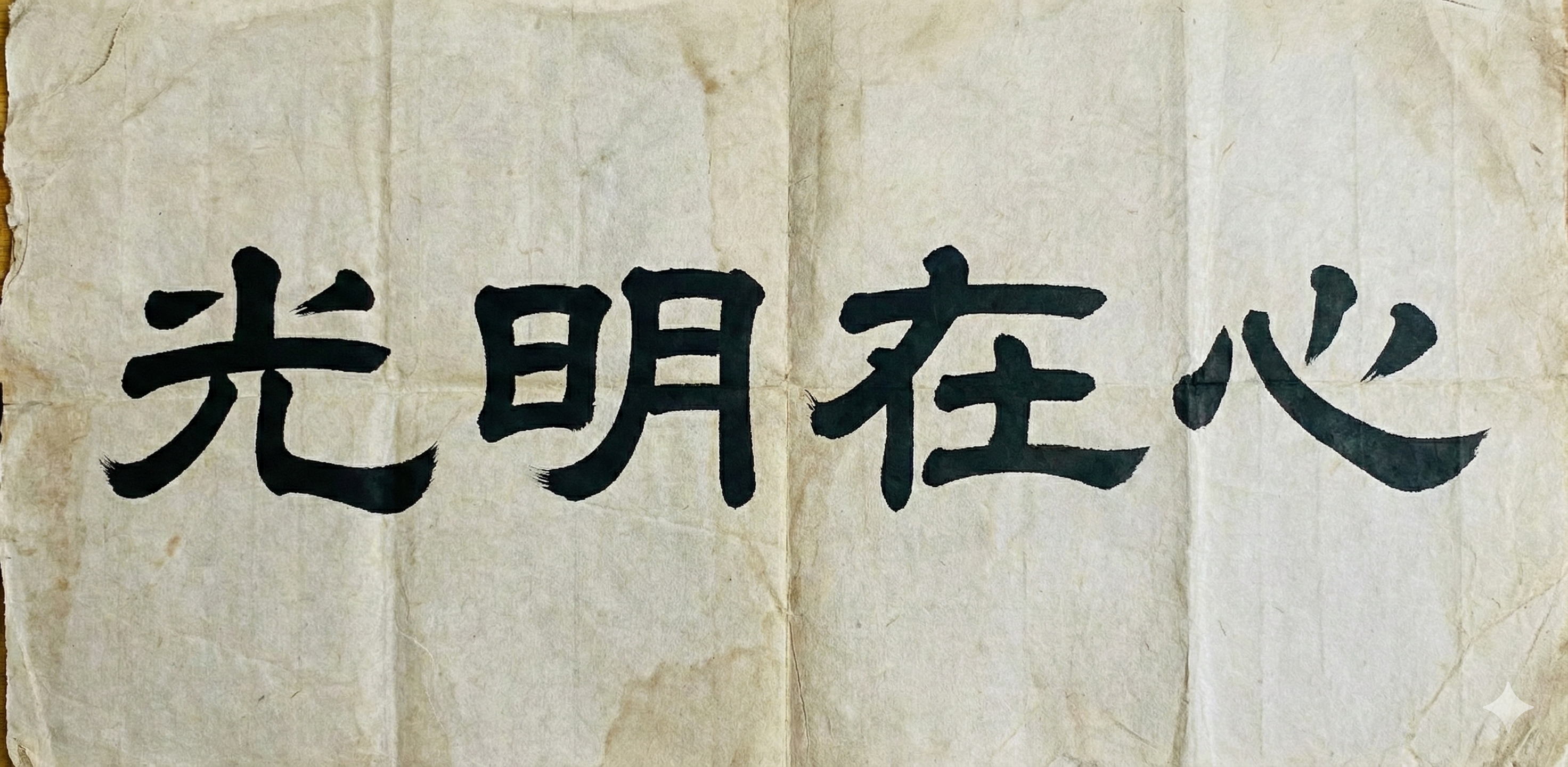
○ Medieval Gothic calligraphy practice
Gothic form emphasizes structure, rhythm, and convergence, making it ideal for establishing "clear lines."
Practice sentences:
“I am staying safely awake.”
I remain safely awake.
Stable handwriting can train the brain's alertness network to reconnect.
○ Safety risks associated with drowsiness: Guided art therapy
Drawing allows you to see "when danger will occur," reducing ambiguity.
I. Risk Map
- Draw a route map of where you are most likely to get distracted throughout the day, for example: bed → kitchen → car → workstation.
- Mark dangerous high points with red dots: such as areas for chopping vegetables, crossing the road, or holding meetings.
- These images can help you predict "the next possible danger".
II. Microsleep Perception Map
- Draw three wavy lines to represent the changes in your alertness today.
- Draw a circle at the point where your consciousness suddenly dropped, and write down what you were doing at that moment.
- This is your "sleepiness alarm point".
Visualization can help you avoid danger in advance, rather than regretting it afterward.
Please log in before submitting your drawings and feelings.
○ 1400. Safety Risks of Drowsiness - Log Guidance
① What are the three times you feel most unsafe today?
② Have you ever experienced confusion while operating equipment or walking?
③ Write down one habit you want to change immediately: "When I feel sleepy, I will stop."“
Please log in to use.
Excessive sleepiness is not a minor issue—recognizing the risk is the first step in protecting yourself.
 EN
EN  ZH
ZH  ES
ES  FR
FR  JA
JA