

Lesson 1401: An Overview of Somatic Symptom Disorders
Duration:60 minutes
Topic Introduction:This course will help students understand the definition and basic characteristics of Somatic Symptom Disorder (SSD) and the interplay between emotions and the body. It will also help students differentiate between true physical illnesses and physical symptoms caused by psychological stress, laying a foundation for subsequent courses.
○ Core manifestations of somatic symptom disorder
- Various physical discomforts:Symptoms such as pain, gastrointestinal discomfort, fatigue, and palpitations recur, but medical examinations cannot explain their severity.
- Excessive focus on physical changes:Individuals are often overly alert and anxious about normal physiological sensations.
- Emotions affect physical symptoms:Emotions such as stress, anxiety, and depression are often the psychological triggers behind symptoms.
- Impaired life functions:Persistent discomfort that interferes with work, interpersonal relationships, or daily activities.
▲ AI interaction: Do you have a tendency to somatization?
When physical sensations are magnified, worries become unstoppable, and attention is drawn to symptoms, it's a double hardship for both the mind and body. First, acknowledge the difficulty and say you've tried your best.
Write down the three physical sensations that bother you most, and describe their location, intensity, and duration with neutral terms. Change “terrible” to “more frequent today than yesterday.”
Recording the three impacts of worry (efficiency, emotions, and relationships) makes the costs visible, so that you can seek help and adjustments in a more targeted manner.
Prepare a soothing maneuver: breathe slowly, apply a warm compress, or listen to soothing music. When symptoms occur, practice this maneuver before deciding whether to seek medical attention.
Conclusion: You are not fighting against your body, but practicing a new way of listening; gentleness is an effective start.
Click the button below to explore with AI whether there is a hidden connection between your recent body and emotions.
○ Overview of Somatic Symptom Disorder · Music Therapy
This disorder often manifests as excessive concern and worry about physical symptoms. Please play a peaceful piano piece to bring your heart back to gentleness from the panic.
Write down the three physical sensations that have been worrying you the most lately. Don't judge them, just describe them. Music in the background will make these words seem softer.
Write down three ways this worry affects your life to help you realize the weight it carries.
End with a statement of understanding: "I am trying to learn to look at my body instead of being trapped by worries."
Aromatherapy drinks
Recommended drinks:Rosemary Mint Tea
Recommended reasons:Rosemary refreshes the mind, mint relieves stress, helps enhance body awareness and regulates breathing rhythm, and is suitable for relaxation and focus during emotional stress.
usage:1 gram of rosemary and 1 gram of dried mint leaves, brew with hot water for 6 to 8 minutes, suitable for drinking in the morning or afternoon.
Coconut Milk Fish Curry
The high-quality protein from marine fish combined with the medium-chain fatty acids from coconut milk provides a steady energy boost and a smooth taste. Mild spices work together to relieve tension and fatigue. Perfect for a satisfying yet satisfying dinner.
Healing Recipes
/home2/lzxwhemy/public_html/arttao_org/wp-content/uploads/cookbook/ye-nai-yu-ga-li.html(Please confirm that you have uploaded: ye-nai-yu-ga-li.html)🎨 Themed Mandala
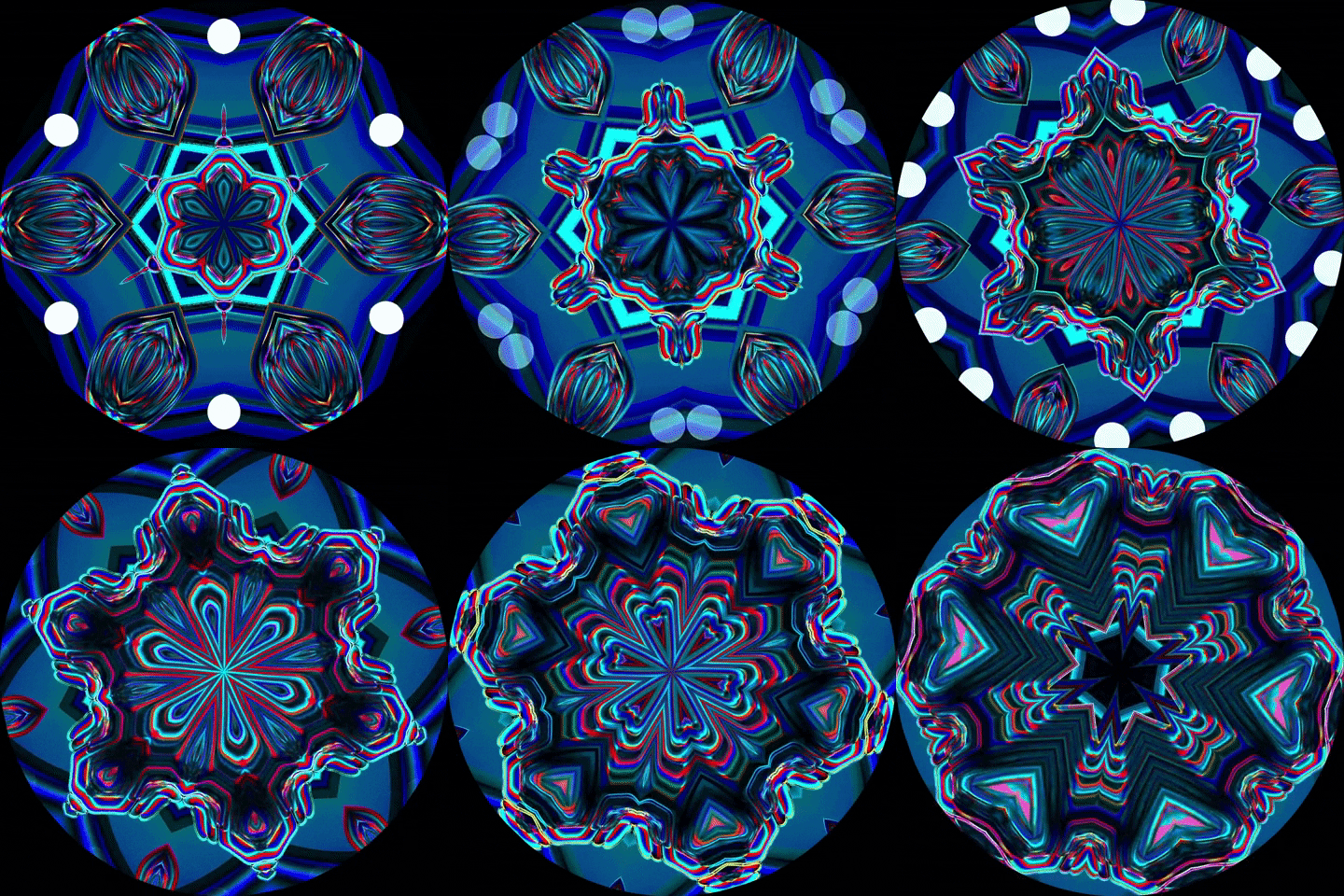
It is recommended to draw mandala patterns around the themes of "body-mind empathy" and "body listening" to guide the concretization of vague body feelings and transform them into clear and gentle expressions.
Applicable issues:Unexplained pain, fatigue, emotional physical reactions, and excessive self-monitoring.
○ Medieval Gothic calligraphy practice
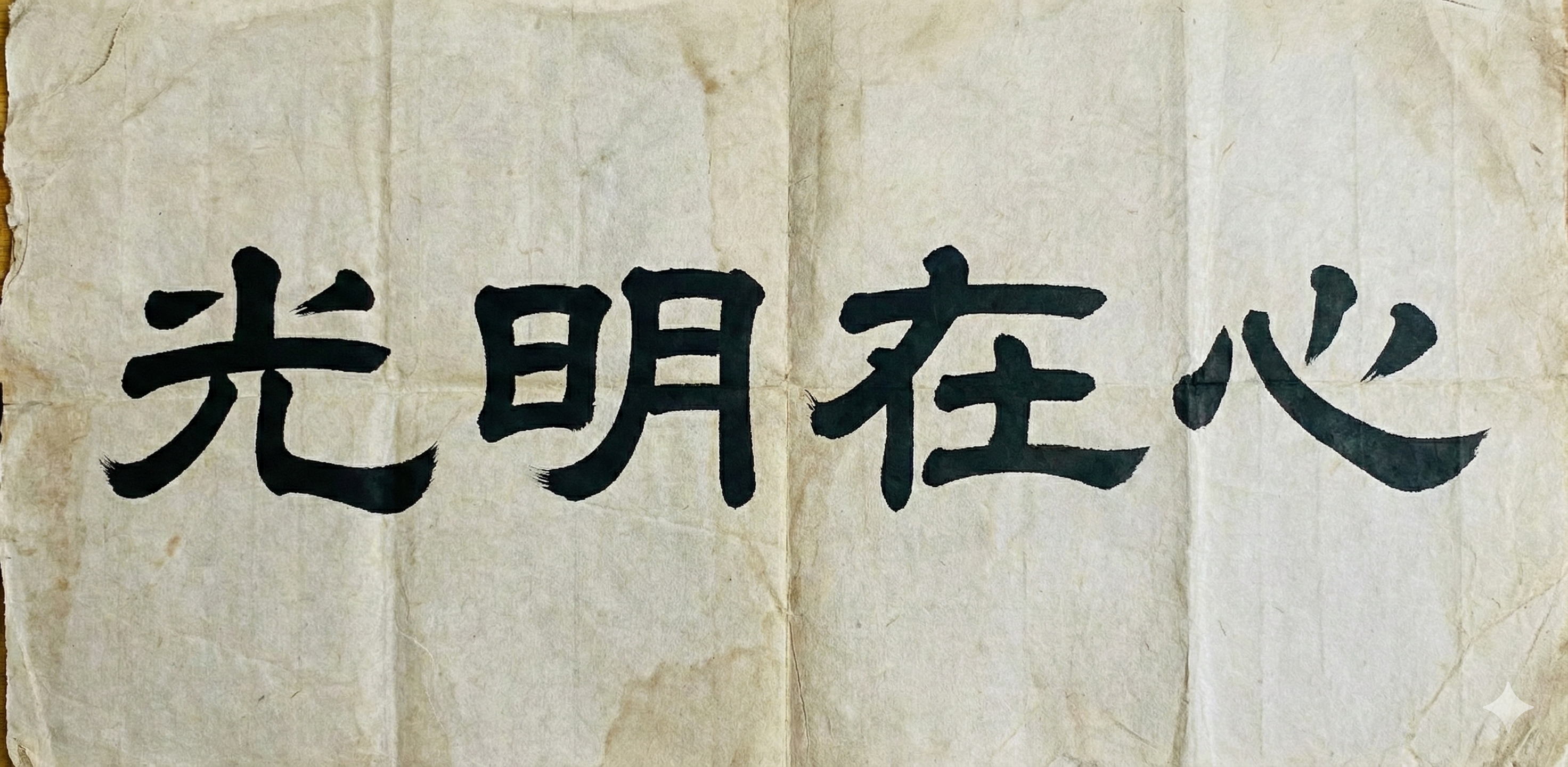
Calligraphy is a way to return consciousness to the body. Through the practice of writing with steady lines, anxiety can be "concretized" and awareness can be grounded.
Practice sentences:
“I respect my body’s signals and respond gently to its inner needs.”
I respect my body's signals and gently respond to its needs.
It is recommended to practice this sentence every morning or afternoon, using a slower pen speed and a balanced rhythm, so that writing becomes a response to the body.
○ Overview of Somatic Symptom Disorder: Suggestions for Drawing Therapy Guidance
This page uses creative painting to externalize the process of "body and mind amplifying each other". Somatic symptom disorder is not "faking it", butReal body sensationsAccompanyPersistent worry, recurrent preoccupations, and impaired functioningWe use images to put feelings, thoughts, and coping behaviors on the same piece of paper, and see the links that can be gently adjusted.
1. Body Heat Map (Feeling → Naming → Caring)
- Draw a front and back body outline and create a legend: color = intensity (light → dark), texture = quality (tingling = dots, stuffiness = ripples, soreness = diagonal lines).
- Color the corresponding parts and label three words:Sensation words(blunt/tight/burning),Duration、Trigger clues(Sedentary/anxiety/weather).
- Each part is connected with a "self-care speech bubble" (such as "I see you are working hard, let's slow down for three breaths").✶Star points.
2. Sensation-Interpretation-Action Loop (SIA Loop)
- Draw a three-segment ring:Sensation IInterpretation (catastrophizing/excessive worrying) → Action behavior (repeated checking/searching/avoidance).
- Put a "small rumor-busting post" next to the "explanation": rewrite the automatic thought into a balanced statement (for example: "Maybe it's just a brief palpitation caused by nervousness. I will do 60 seconds of abdominal breathing and then observe for 10 minutes").
- Draw an "Alternative Button" next to "Behavior":Record(30-second symptom card),dispersion(light exercise/stretching/drawing lines),Medical communication(List three key questions).
3. Pace and Energy Pie (Pacing × Value Alignment)
- Draw a pie and divide it into four sections: Activity, Rest, Nutrition/Hydration, and Connection (People/Nature/Hobbies). Color in your ideal allocation for the week, then mark the outer circle with "Realistic Allocation" and compare the differences.
- Draw next to3-step ladder: You can do 1% micro-steps → stable repetition → value alignment (write "why do it" into a phrase, such as "to be able to accompany my family for a walk").
- Add a "yellow light" symbol next to activities that require excessive effort, and add a "green leaf" symbol next to areas that require supplementation, to indicate a balance between rhythm and recovery.
Warm reminder: Painting is used for awareness and expression, and cannot replace medical diagnosis and treatment.Acute red flagsIf you experience chest pain, unilateral limb weakness, persistent high fever, black stools or unexplained bleeding, or difficulty breathing, please seek emergency medical attention first. Carrying this page with you will help you communicate with your doctor or psychologist about when the pain will worsen and what can help.
Please log in before submitting your drawings and feelings.
○ 1401. Overview of Somatic Symptom Disorders • Journal-Guided Suggestions
① Gentle seeing: Symptoms are real, concerns are real; we practice putting them to rest rather than denying them.
② Three key points: Write down the three most bothersome physical sensations, including their location, intensity, and duration. Be as specific as possible.
③ Impact assessment: Give an example of efficiency/emotion/relationship to make the cost visible and the direction optional.
④ Reassurance: When symptoms occur, slow down your breathing or apply a hot compress for three minutes before deciding whether to seek further medical attention.
⑤ Trigger identification: Record high-alertness periods and scenarios, and prepare a list of alternative activities.
⑥ Self-language: Rewrite “something big happened” to “I will observe first, then verify.”
⑦ Conclusion: Understanding is the first step to repair.
Please log in to use.
Physical symptoms aren't fiction; they're the body's way of expressing its emotions and needs. May this lesson help you rediscover and gently respond to your body.
 EN
EN  ZH
ZH  ES
ES  FR
FR  JA
JA