

Lesson 1403: Causes and Risk Factors of Somatic Symptom Disorders
Duration:65 minutes
Topic Introduction:This course will delve into the key psychological and physiological mechanisms that contribute to somatic symptom disorders, including risk factors such as early traumatic experiences, patterns of emotional repression, and a predisposition to anxiety. It will help participants understand why their bodies speak for them and replace self-blame and fear with greater understanding.
○ Common causes of somatic symptom disorder
- Early traumatic experiences:Childhood neglect and domestic violence, for example, will form defensive memories at the physical level.
- Long-term emotional repression:People who are not good at expressing their emotions are more likely to "convert emotions into body language."
- Anxious personality traits:Highly sensitive to physical condition and easily associated with negative consequences.
- Cultural and family beliefs:A growing background in which "physical discomfort" is regarded as the only channel for seeking help or expressing oneself.
▲ AI Interaction: Exploring the Deeper Causes of Physical Symptoms
Possible factors include accumulated stress, illness experience, family focus patterns, and anxious temperament. These factors are intertwined and are not the fault or negligence of any one person.
Write one thing each from “Personal – Family – Environment” that you think is relevant, and add a sentence to explain your understanding: This was my way of protecting myself/seeking confirmation.
Identify areas where you can make small adjustments: reduce symptom checking, set time limits for internet use, schedule regular breaks. Be specific about the time and frequency of these changes.
Invite a trusted person to be a “reality anchor” to remind you to return to the evidence and present experience when you get stuck in a loop.
Conclusion: Understanding the root cause is the starting point for removing self-blame and fear, and also leaves a way for repair.
Click the button below to work with AI to sort out the psychological background of your physical symptoms and gradually identify the emotional patterns behind them.
○ Causes and risk factors of somatic symptom disorder · Music therapy
Causes may include stress, family dynamics, and past experiences with illness. Play a gentle double bass melody to soften the exploration.
Write down the three factors you think are most relevant and for each, write a sentence of understanding, not blame.
Keep track of the situations in which your worries are most often triggered and write down an alternative behavior you can try, such as taking a deep breath or taking a short walk.
At the end, write a comforting sentence: "Knowing the reason is the beginning of healing."
Aromatherapy drinks
Recommended drinks:Orange Blossom Lemon Water
Recommended reasons:Orange blossom can relieve tension and regulate the nervous system. Combined with the refreshing effect of lemon, it helps to enhance emotional perception and the connection between body and mind.
usage:Add 1 drop of orange blossom hydrosol or 2g of dried orange blossom and 2 lemon slices to warm or cold water and drink it. It is best to drink it in the morning or afternoon.
○ Lemon Baked Cod
Lightweight, high-quality protein that's easy to digest and absorb. The refreshing lemon and vitamin C boost appetite and mental clarity. Perfect for a light evening snack or recovery period, with a refreshing, non-greasy flavor.
Healing Recipes
/home2/lzxwhemy/public_html/arttao_org/wp-content/uploads/cookbook/ning-meng-kao-xue-yu.html(Please confirm that the following has been uploaded: ning-meng-kao-xue-yu.html)🎨 Themed Mandala
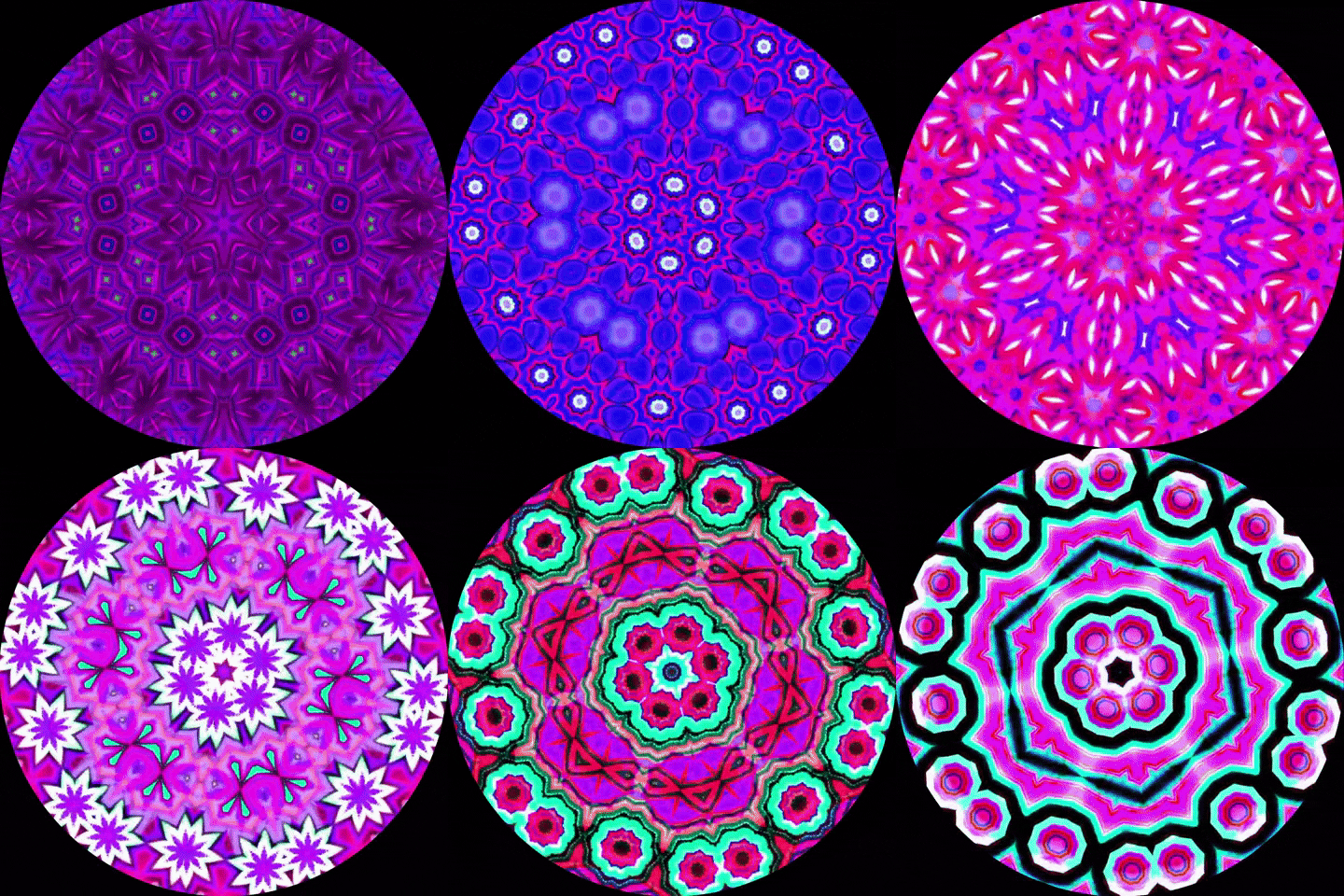
This lesson suggests drawing a mandala around "body narrative" and "deep signals", using inward expansion and rotating textures to represent the direction from the body back to emotions and psychology.
Applicable issues:Recurring physical discomfort, undiagnosed, unexplained emotional pain.
○ Medieval Gothic Writing Practice
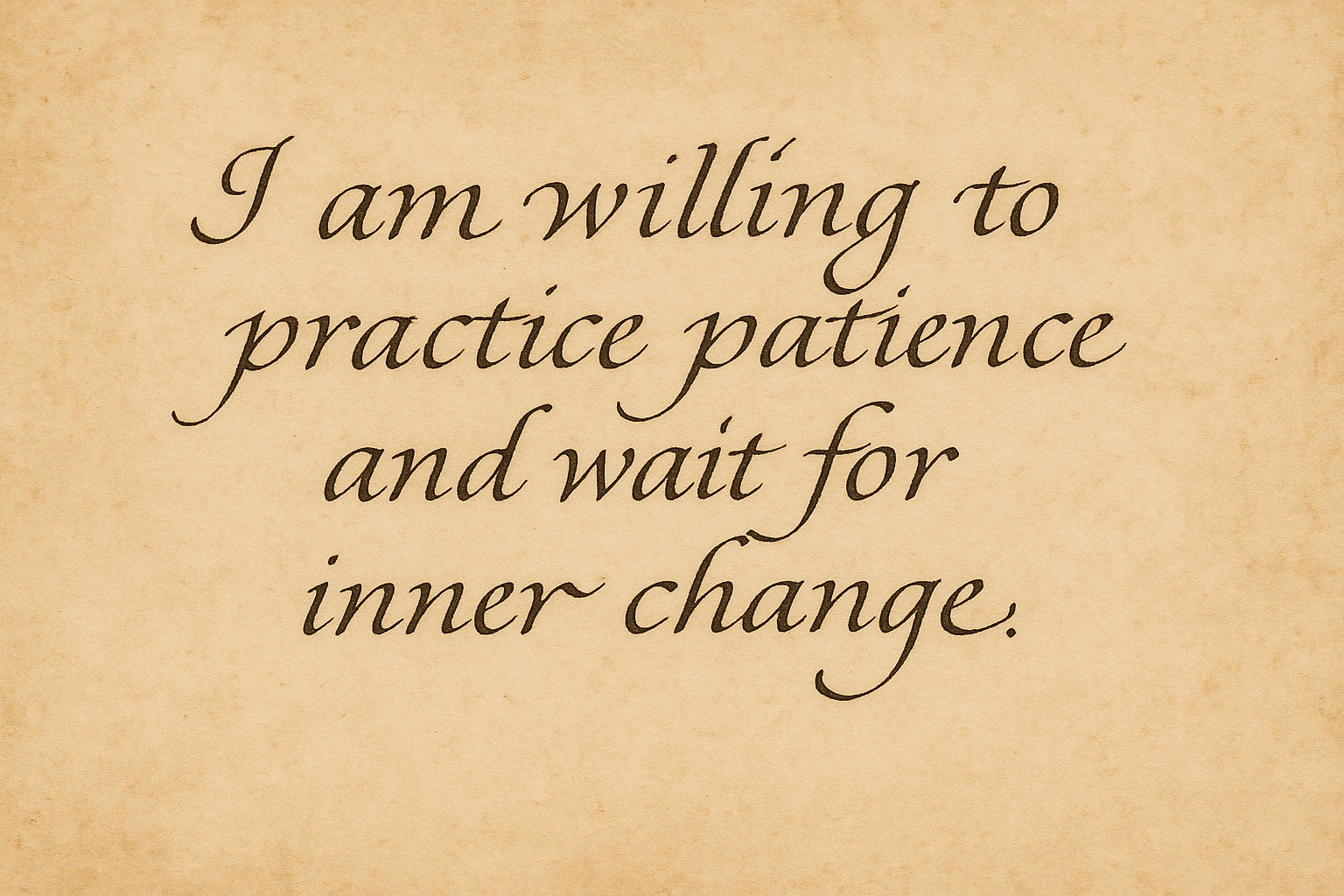
Writing is not only about recording, but also a slow-paced way of “listening.” Through calligraphy training, one can pause and face the true language of the body.
Practice sentences:
“I understood the stories behind the discomfort and began to understand myself.”
I begin to understand the story behind my discomfort—and myself.
Spend 5 minutes every day writing this sentence three times. While writing, let go of judgment and practice acceptance.
○ Causes and risk factors of somatic symptom disorder: guidance and suggestions for painting therapy
This page helps you visualize "causes and risks." Somatic symptom disorders often stem from the interplay of physiological sensitivities, psychological stress, and inadequate environmental support. By visualizing these factors through drawing, you can make seemingly complex mechanisms more intuitive and identify potential interventions for regulation and prevention.
1. The Root Tree (Physiological-Psychological-Environmental)
- Draw a big tree: the roots representPhysiological factors(genetic sensitivity, nervous system irritability, pre-existing illness); the trunk representsPsychological factors(anxiety tendencies, perfectionism, traumatic memories); the crown representsEnvironmental factors(work pressure, family support, social expectations).
- Write down the keywords related to you in different parts and use different colors to distinguish the three types of factors.
- Add "nurturing elements" around the tree: sunlight = support, rain = resources, fertilizer = habits. Reminder: Don't just focus on the causes, but also draw out the possibilities of nourishment.
2. Risk Puzzle (Genetics × Experience × Current Status)
- Draw a puzzle board on paper and divide it into three parts:
① Heredity and constitution: for example, "family history of anxiety/depression" and "prone to stress";
② Life experiences: such as “childhood illness” and “major stressful events”;
③Current status: such as "overloaded with work", "lack of exercise", and "lack of sleep". - Fill in the puzzle pieces with different patterns or symbols to visually show how these factors fit together into the overall risk.
- Write down "adjustable points" next to each one, such as "improve sleep routine" or "learn relaxation training."
3. Balancing the Scales (Risk vs. Protection)
- Draw a scale with risk factors (genetic vulnerability, excessive worrying, lack of support) on the left and protective factors (healthy habits, social connections, professional resources) on the right.
- Underneath the scales, write down the protective actions you can take, such as “stretch for 10 minutes daily,” “communicate with friends regularly,” or “seek professional advice.”
- Adding “glimmer symbols” (such as small stars) to the picture represents that even small protective factors can gradually balance the risks.
Friendly reminder: Drawings are intended to help understand and express risk factors and should not replace medical diagnosis. If you experience acute red flag symptoms (chest pain, unilateral limb weakness, persistent high fever, black stools or unexplained bleeding, difficulty breathing, etc.), please seek medical attention immediately. You can bring your artwork with you to discuss ways to reduce risk and enhance protective factors with a professional.
Please log in before submitting your drawings and feelings.
○ 1403. Causes and Risk Factors of Somatic Symptom Disorders: Journal-Guided Suggestions
① Three levels of perspective: personal temperament, family attention pattern, and stressful events. Write one relevant clue for each.
② Gentle understanding: Add a sentence of understanding to each clue instead of blaming, such as "This helped me to seek safety."
③ Movable Handle: Choose one of the following as your goal for this week: Reduce Avoidance/Increase Activity/Stabilize Rhythm.
④ Support person: List a real anchor point for help, and agree on reminder words and contact information.
⑤ Trigger map: Mark high-risk scenarios and arrange buffers and alternatives in advance.
⑥ Review time: Write down a fact you learned today every night to replace your imagination of disaster.
⑦ Conclusion: When the cause is seen, the path becomes apparent.
Please log in to use.
Physical symptoms are not the enemy, but rather the parts of ourselves we haven't yet understood. May you begin with understanding and slowly move toward gentle healing.
 EN
EN  ZH
ZH  ES
ES  FR
FR  JA
JA