

Lesson 1406: How Excessive Focus on Bodily Sensations Develops
Duration:60 minutes
Topic Introduction:
This lesson focuses on how "excessive attention to bodily sensations" accumulates and amplifies step by step, ultimately making sleepyheads extremely sensitive to any subtle discomfort or fatigue signals, even leading to over-awareness, repetitive checking, and anticipatory worry. Many sleepyheads don't experience worsening symptoms, but rather because their internal attention system is triggered by factors such as stress, unstable sleep, anxiety, fatigue, and long-term bodily monitoring, causing them to over-scan their bodies—for example: Am I sleepy again? Are my eyelids heavy? Is my heartbeat slow? Does my head feel a little heavy? This over-monitoring further reinforces the anticipation of "Am I going to be sleepy again?", causing the brain to amplify harmless bodily sensations into threats, thereby exacerbating fatigue and cognitive load.
When attention is tightly focused on the body, the brain has fewer resources available for maintaining alertness, processing tasks, and keeping emotions stable, making drowsiness more likely. Understanding the mechanisms behind over-focusing is an important step in reducing mental and physical tension and restoring the natural wakefulness rhythm. This lesson will guide the body back from "monitoring mode" to "feeling mode" through herbal teas, Christian fasting therapy rhythms, mandala viewing, and Gothic calligraphy exercises, allowing the brain to rediscover a sense of lightness.
○ Over-focusing on bodily sensations - Key points
- Excessive introversion of attention:Stress and fatigue can cause your attention to shift from the outside world back to your internal body.
- Somatosensory amplification effect:What was originally a slight discomfort was magnified into a "danger signal".
- Anticipated concerns:The fear of "becoming even more sleepy later" actually exacerbates drowsiness.
- Surveillance-based awareness:Constantly checking your body will only make the symptoms more obvious.
- Increased physical and mental burden:Prolonged introspection depletes energy, leading to more frequent drowsiness.
[arttao_Healing_Course_tts_group1401_1405]
▲ AI Interaction: Where does your "body monitoring mode" come from?
Write down the three times when you are most likely to focus on your bodily sensations (e.g., before preparing for work, in the afternoon, and before going to bed).
Describe the body parts you pay most attention to (eyelids, head, chest, stomach, heartbeat, etc.).
Write a sentence that loosens the tension: "I can temporarily refrain from checking without missing any danger."“
○ Separation of Body and Attention: Musical Rhythm Exercises
Exercise 1: Play some light, rhythmic instrumental music and focus your attention on the flow of the music, not your body.
Exercise 2: When your physical sensations are overexcited, focus on the beat of the music for 30 seconds.
Exercise 3: Use a fixed piece of music as a signal to "bring attention back to the outside world".
○ Herbal tea healing drink
Recommended drinks:Lemon Verbena Relaxing Tea
Recommended reasons:Reduce tension and internal scanning, allowing your body to return to its natural rhythm.
usage:Suitable for drinking when you are overly focused on your physical sensations, it relaxes the nervous system.
○ Christian Fasting Therapy: A Mindful Clearing Exercise
Christian fasting therapy emphasizes "emptiness, focus, and rhythm." Through short periods of light fasting (such as reducing processed foods and switching to a light diet), the body can be freed from excessive burden, and inner feelings can no longer be amplified; at the same time, it helps the brain move from anxious introspection to a broader awareness.
Reduce tension
Reduce overscanning
○ Theme Mandala - Viewing Guide
The theme of this mandala is "relaxed expansion": the outer circle is loose and soft, symbolizing the outward expansion of attention; the middle circle is more delicate and has a slower rhythm; the center point is stable and bright, but does not require gazing.
Viewing method: Let your gaze rest gently on the outer edge, allowing your attention to automatically shift outwards, rather than staring at the body.
Purpose:Replace "monitoring" with "watching" to reduce the brain's excessive awareness.
○ Medieval Gothic calligraphy practice
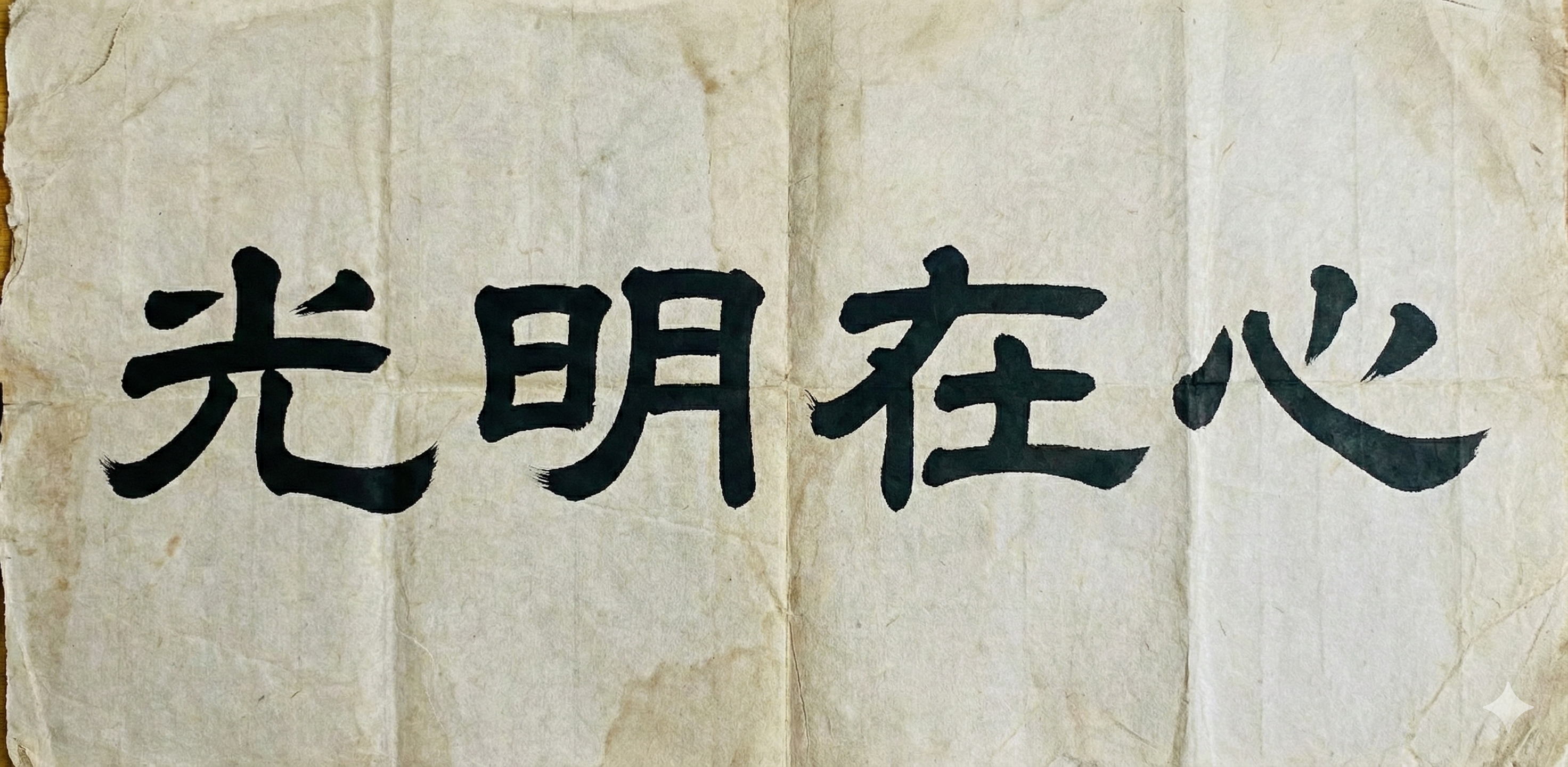
The more you focus on your body, the more you need to use the stable structure of writing to bring your attention back to the outside world.
Practice sentences:
“I am supported, not threatened.”
I am holding back, not threatening.
The rhythmic lines of Gothic form can help the brain break its inward-focused alertness mode.
○ Excessive focus on sensory experiences: Guided art therapy
Painting allows you to "put your attention outward" rather than confining it to your body.
I. Practice of expanding lines
- Draw a soft line in the center of the paper to symbolize your current physical sensations.
- Drawing larger arcs or ripples outwards from the center represents a shift in attention.
- The outermost lines are looser, reminding myself: I can let my attention wander.
II. Tight Enlarged Image
- Mark the areas of your body that are most stressed today on a piece of paper.
- Draw a larger circle next to it to symbolize that you are willing to give it more space.
- Images bring a new experience of "I don't have to stare at it".
Visual exercises can free your attention.
Please log in before submitting your drawings and feelings.
○ 1406. Excessive Focus on Physical Sensations - Log Guidance
① What part of your body do you monitor most frequently today?
② Does the situation become more obvious the more attention is paid to it?
③ Write a sentence that relaxes the body's tension: "I am safe even if I don't stare at my body."“
Please log in to use.
Only when you stop focusing on your body can your body finally truly relax.
 EN
EN  ZH
ZH  ES
ES  FR
FR  JA
JA