

Lesson 1417: How to Distinguish Between Real Illness and Amplified Anxiety
Duration:60 minutes
Topic Introduction: This course focuses on "how to distinguish between real physical illness and "amplified bodily sensations caused by anxiety." Many clients do not have serious illnesses, but rather their brains enter a "threat interpretation mode" due to anxiety, mistaking ordinary discomfort for serious diseases. For example, temporary palpitations may be mistaken for heart disease, brief chest tightness may be misinterpreted as a major risk, and mild dizziness may be associated with brain lesions. Real illnesses usually have persistent, progressive, and clearly defined pathological changes; while amplified symptoms due to anxiety are characterized by large fluctuations, varying intensity, significant changes with attention, repeated normal test results, and decreased symptoms during busy periods. This course will guide you to learn to identify these two different mechanisms, allowing you to stop being led astray by fear, understand bodily signals more stably, and build realistic and stable trust in your body.
How to distinguish between "disease signals" and "amplified anxiety"?“
- Consistency vs. Volatility:The illness is usually stable and persistent; the amplified anxiety often fluctuates in intensity.
- Emotional association:The more stressed you are, the stronger your symptoms become – a classic pattern of amplified anxiety.
- Attention effect:The more you focus on it, the more obvious it becomes; the more you are distracted, the more it is relieved, often due to amplified anxiety.
- Rhythm-related:The symptoms are more severe when there is insufficient sleep, high stress, or fatigue, and are more indicative of functional problems rather than diseases.
[arttao_Healing_Course_tts_group1416_1420]
▲ AI Interaction: Which category do your symptoms resemble most?
Write down the most recent physical symptom that scares you.
Write down whether it fluctuates with attention and emotions (anxiety pattern).
He added a clarification: "Feeling strong does not mean the situation is serious."“
○ Symptom amplification period: Music desensitization method
Exercise 1: When symptoms appear, play a steady rhythm to reduce alertness.
Exercise 2: Shift your attention to the melody, rather than the internal changes in your body.
Exercise 3: Record the extent to which symptoms lessen after listening to music to deepen your understanding of "functional fluctuations".
○ Herbal tea healing drink
Recommended drinks:Chamomile & Peppermint Balance Tea
Recommended reasons:Gently relaxes the nervous system, preventing physical sensations from being amplified by anxiety.
usage:It's useful for moments when you feel more uncomfortable the more you pay attention, helping to recalibrate your body's sensations.
○ Christian Fasting and Dietary Therapy: A Sense of Clarity of Mind and Body
Simplifying your diet helps reduce the burden on your body, allowing your nervous system to switch from "over-monitoring mode" to "natural observation mode." When your body's energy is stable and your metabolic rhythm is orderly, it's easier to distinguish between your body's true needs and false alarms caused by anxiety.
Restore clarity
Reduce misinterpretation
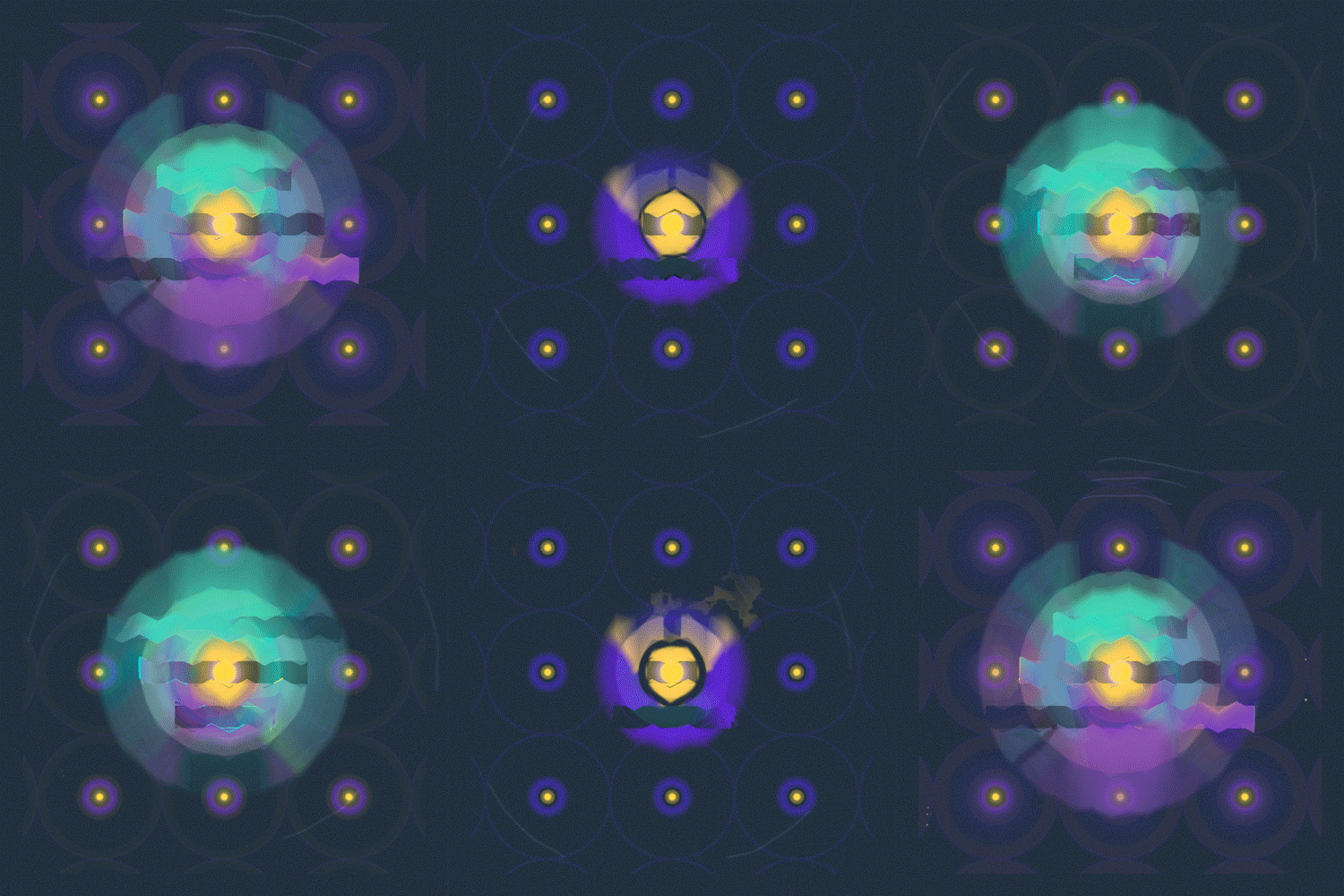
○ Themed Mandala - Viewing Guide: From "Fear Interpretation" to "Objective Observation"“
The outer circle symbolizes chaotic bodily sensations, while the area towards the center becomes more stable, symbolizing the return of rational discernment.
Please just watch, don't judge, and let your vision guide you to shift your physical sensations from "danger" to "fluctuation".
Target:Gradually free your mind and body from the misconception that "any feeling = a problem".
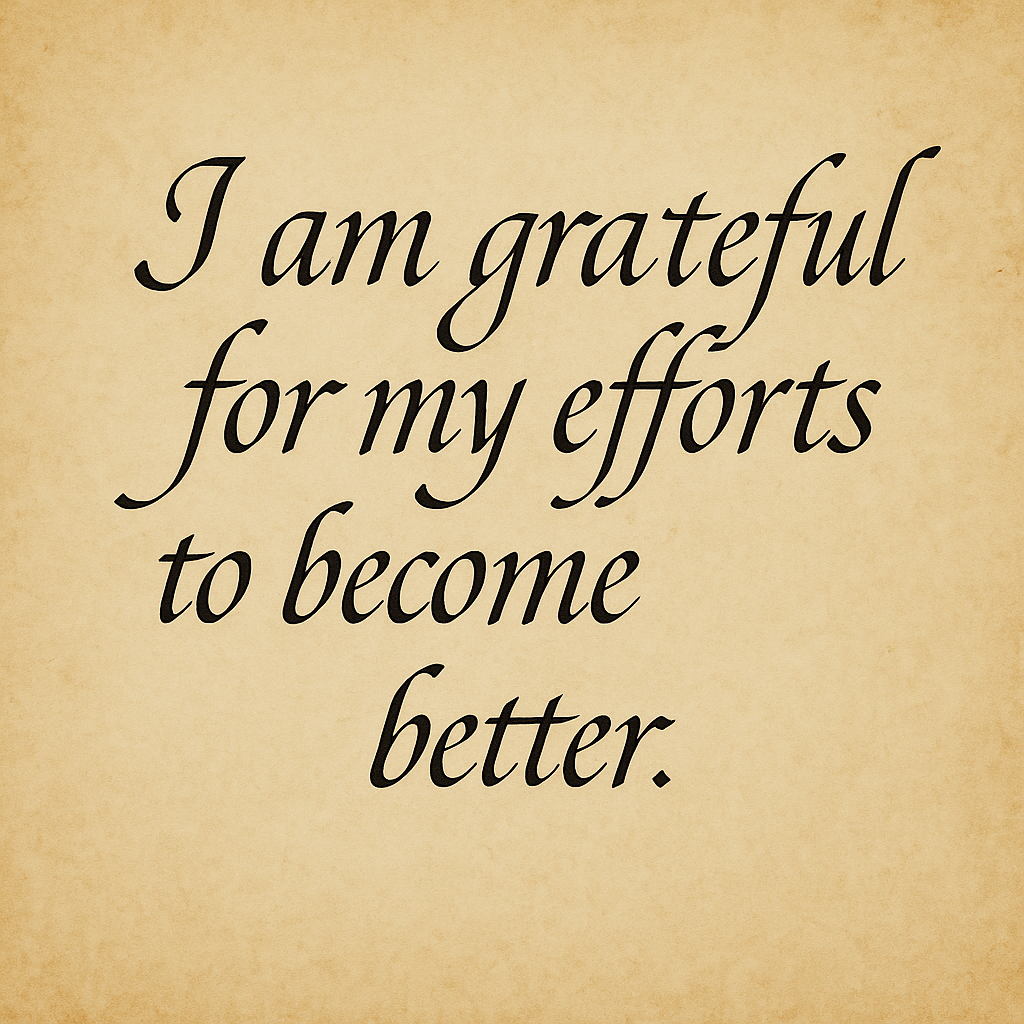
○ Medieval Gothic calligraphy practice
Deep lines help you establish stability and discernment.
Practice sentences:
“Strong does not equal dangerous.”
Intensity is not dangerous.
Each time you write, you are rebuilding the trust between you and your body.
○ "Reality vs. Magnification" Identification Chart: Guided Art Therapy
Painting can transform unseen sensations into visible structures, turning vague fears into recognizable clues.
1. Draw a "symptom intensity line graph".“
- Record the fluctuations in symptoms throughout the day.
- The more pronounced the fluctuations, the more likely it is an amplified anxiety rather than a disease.
2. Draw a "trigger factor diagram".“
- Draw a picture of the situations that aggravate the symptoms (fatigue, stress, concentration).
- The more these situations are related to emotions, the more likely it is not the disease itself.
The more you can "see the pattern," the less likely you are to be deceived by your feelings.
Please log in before submitting your drawings and feelings.
○ 1417. Discrimination Training: Log-Guided Learning
① Write down one uncomfortable feeling that occurred today.
② Write down whether it fluctuates with mood/attention.
③ Write down a clarification: "Feelings are just feelings, not conclusions."“
Please log in to use.
The better you can distinguish between your body and anxiety, the less likely your body will be misunderstood again.
 EN
EN  ZH
ZH  ES
ES  FR
FR  JA
JA