
Lesson 1420: How Excessive Worry Affects Functional Well-being
Duration:70 minutes
Topic Introduction:Excessive worry consumes time, energy, and relationships, causing learning, work, socializing, and rest to revolve around symptoms. This section helps you shift from a symptom-oriented to a value-oriented approach, gradually restoring your participation in life so that physical discomfort no longer dictates your entire destiny. May you slowly learn to cooperate with your body again. Please observe gently first, without rushing to blame yourself. Each record helps you get closer to the clues.
○ Course Topic Audio
Lesson 1420: How Excessive Worry Affects Functional Well-being
Click to view the read-aloud text
In this section, please set aside the self-reproach of "Am I exaggerating?" You are not faking illness, nor are you deliberately causing trouble. What we need to do is understand how the body and mind influence each other, and then find a more stable way of care. The theme of this section is "How Excessive Worry Affects Daily Functioning." Excessive worry makes life increasingly revolve around symptoms. Studying, working, relationships, hobbies, exercise, and rest can all be occupied by "I feel unwell today." This statement may give you some space: symptoms need to be taken seriously, but they don't necessarily need to be monitored around the clock; the body needs to be cared for, but it doesn't need to be taken over by fear. When learning, please start with specific situations. Over time, people lose the breadth of life. Please try to record the time, intensity, emotions at the time, what you were doing, how you responded, and whether this response made the body feel more at ease or made the worry stronger. Next, please choose a small and stable exercise. This section helps you shift from symptom-oriented to value-oriented, gradually restoring your ability to participate in life while caring for your body. Change doesn't mean you have to stop worrying immediately, but rather that when worry arises, you have a gentler option: pause, breathe, observe your body, return to your plan, or contact reliable professional support. Course content cannot replace a doctor's diagnosis, necessary examinations, or psychotherapy; if you experience acute, severe pain, difficulty breathing, altered consciousness, continued deterioration, significant bleeding, or other warning signs, please seek medical help immediately. At the end of this session, remind yourself: healing is not denying your body, but learning to care for it more scientifically and with more boundaries. If you experience continued worsening, significant functional impairment, or red flag symptoms indicated by your doctor, please contact offline professional resources promptly. Your body is not the enemy; it is reminding you of your need for support in its own way. Please integrate professional assessments, a regular lifestyle, and gentle practices into a unified care plan. Every reduction in unnecessary examinations gives you more space in your life. You can gradually learn to cooperate with your body again, rather than constantly fighting it. True recovery often comes from stable repetition, not from a one-time complete solution.

AI Healing Q&A
Excessive worry can gradually narrow your life, turning your studies, work, and social interactions into activities revolving around your symptoms. You can describe to the AI which activities have been paused and which you've abandoned due to fear. The AI will help you shift from a symptom-driven to a value-driven approach, finding small steps to resume your life. It's not about waiting until all symptoms disappear before starting to live, but about gradually regaining some control within a safe framework.

○ Music therapy guidance
When worries narrow your life, music can help you reconnect with valuable actions. Choose a gentle yet uplifting piece of music as a transition before starting to study, tidy your room, take a walk, or socialize. Don't wait for symptoms to completely disappear before resuming your life; start by doing a little bit within safe limits. Music helps you shift from symptom-driven to action-driven. Even accomplishing just one small thing is a way of slowly reclaiming your life.

○Eastern and Western Healing Teas
○ Eastern Healing Tea - Biluochun
introduce:Biluochun is a specialty green tea from Jiangsu Province, named for its snail-like shape and emerald green color. It has a fragrant and mellow taste. Biluochun is rich in tea polyphenols, amino acids, vitamin C, and other components, and has the effects of clearing heat and detoxifying, anti-oxidation, and reducing lipids and aiding weight loss. Its unique floral aroma and refreshing taste make it stand out among green teas.
usage:Take 1 teaspoon of Biluochun tea leaves and put them into warm water (approximately 75-80°C). Steep for 2-3 minutes. Drink 1-2 cups daily, especially suitable for hot summer days, as it is refreshing, thirst-quenching, and helps relax the mind and body.
Course Reminder:After completing the course on "How Excessive Worry Affects Daily Functioning," please treat tea drinking as part of mental and physical well-being and observation of bodily sensations, rather than as a means to repeatedly confirm whether your body is safe. Before and after drinking tea, you can record physical discomfort, intensity of worry, urges to check, urges to search online, stomach comfort, sleep, and mood changes to help yourself gradually shift from a symptom-oriented approach to one focused on function and daily life.
Notice:It's important to respect your actual physical experience when dealing with somatic symptom disorders and avoid turning tea drinking into a new safe behavior. If you experience acute, severe pain, difficulty breathing, altered consciousness, worsening symptoms, significant bleeding, severe dehydration, or red flag symptoms as indicated by your doctor, please contact in-person medical resources immediately. Beverages containing licorice, ginger, ginseng, green tea, black tea, peppermint, turmeric, black pepper, honey, or milk are not suitable for everyone. If you have chronic illnesses, are pregnant, breastfeeding, are taking medications, have blood pressure or blood sugar issues, gastroesophageal reflux, or food allergies, please prioritize following the advice of your healthcare provider and nutritionist.
○ Healing Recipes
○ Western Herbal Diet: Rosemary Potato Soup
Recommended dishes:Rosemary Potato Soup Recommended reasons:Suitable for use when excessive worry is affecting daily functioning, this recipe helps you gradually shift from symptom-oriented thinking back to values, action, and daily engagement. Based on gentle, stable, and low-stimulation principles, this recipe is suitable as a small exercise for mental and physical well-being within a somatic symptom disorder program. It cannot replace medical examinations, doctor's diagnoses, or psychotherapy, but it can help you build a sense of security in your daily life, recognizing that "I am taking care of my body." Recipe (1–2 servings): practice: When preparing this dish, please focus on the actions at hand: washing, chopping, stirring, heating, and serving. If you repeatedly notice discomfort in a certain part of your body, don't rush to check or explain it; just think to yourself: I see this feeling. Before consuming, take three slow exhales and observe whether you feel any tension in your shoulders, neck, chest, stomach, palms, and jaw. Allow your body to feel these sensations, while gently focusing your attention back on the color, temperature, aroma, and taste. Please take your first sip slowly. If you experience significant pain, chest tightness, difficulty breathing, worsening symptoms, or red flag symptoms as indicated by your doctor today, please seek medical attention first. If it is just amplified familiar anxiety, please use the course exercises to bring your attention back to your function and the present moment. Video Title:Rosemary Potato Soup: A gentle dietary approach to support bodily safety and focus in courses on somatic symptom disorder. hint:Long-term improvement of somatic symptoms requires the joint participation of stable doctor-patient collaboration, cognitive behavioral exercises, reduced repeated examinations, regular routines, moderate physical activity, emotional expression, and family support.Click to view healing recipes
◉ Western Herbal Nutrition: Rosemary Potato Soup
I. Recommended Dietary Therapy and Reasons
2. Recipe and Method
3. Small rituals for body and mind
4. Dietary Therapy Experience Record
V. Instructional Videos (approximately 3–5 minutes)
6. Precautions

○Mandala Healing
Excessive worry can cause your life to revolve around symptoms. When viewing a mandala, visualize the center as bodily sensations and the outer ring as learning, work, socializing, and hobbies. Gently ask yourself: Can I give a little attention back to life today? The design isn't asking you to ignore discomfort, but rather helping you shift from a symptom-oriented to a value-oriented approach. Doing a little bit of what you want to do within safe boundaries is a way to gradually regain control.
● AI Dynamic Geometric Vision Focus and Emotion Regulation Engine ●
AI Dynamic Geometric Vision Focus and Emotion Regulation Engine · v7.0.0
Before we begin, I'd like to know how you feel right now.
There is no standard answer; just choose the one that best reflects how you feel right now.
The experience is over. Tell us how you feel now.
There is still no standard answer; just choose the one that best reflects how you feel right now.
#FF5252
After the fluorescent line crawling is completed and stopped, first select a color, then click on the closed area in the graphic to fill in the color.
AI Digital Mandala Static Focus EngineAZ Image Coloring · 60 Colors
AI Digital Mandala Interactive Focus Engine
A–Z Free Selection · Layered Lines · 60 Color Fills

○ Calligraphy and engraving therapy practice
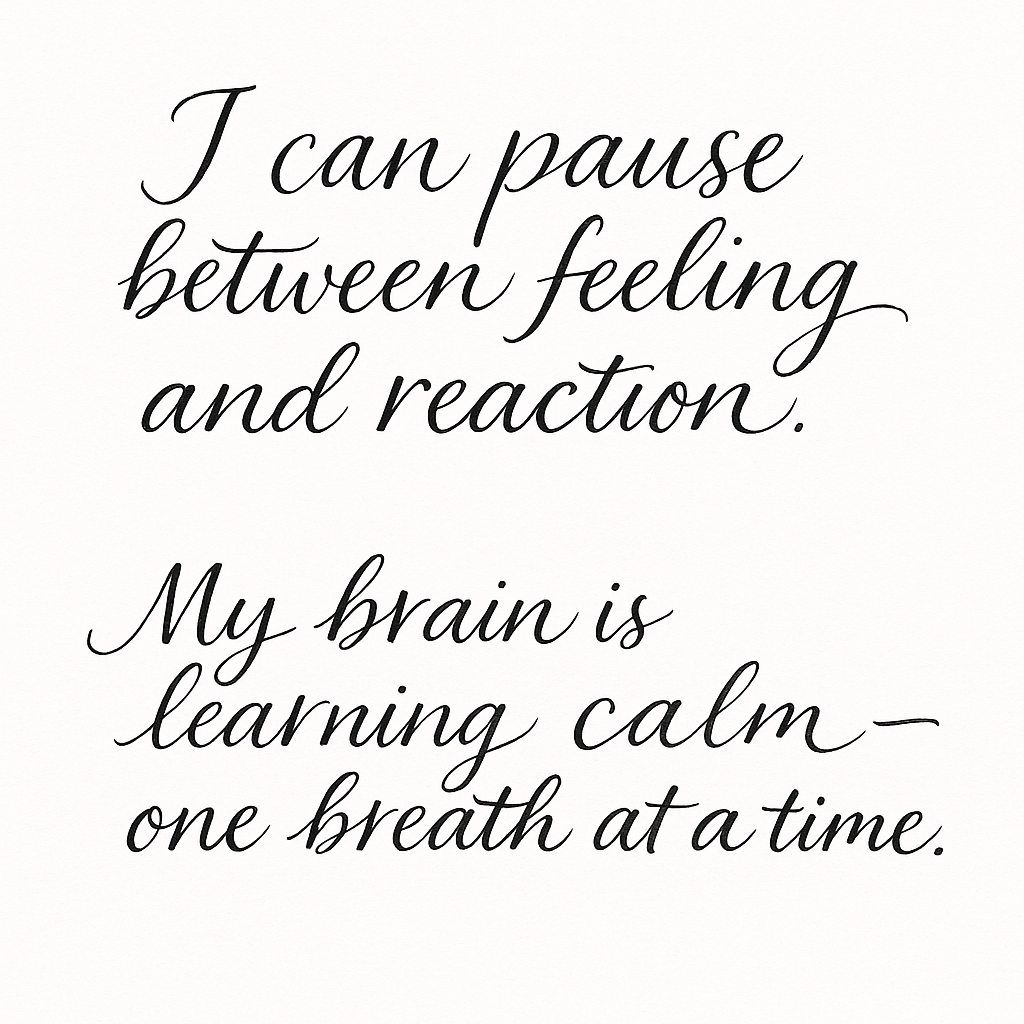
Excessive worry can cause your life to revolve around your symptoms. Calligraphy exercises, without specifying words or phrases, simply help shift your attention from physical alarms to the immediate action before starting to study, work, or go out. The calligraphy acts as a small transition, reminding you that you don't have to wait until all symptoms are gone before resuming your life. Writing a little, acting a little, resting a little—gradually reclaiming your life within safe boundaries is more powerful than constantly waiting for confirmation.
○ Art Therapy Guidance
Excessive worry can narrow your life. When drawing, make your symptoms and worries the center of the picture, and then draw your studies, work, social life, and hobbies that have been pushed to the side. Then add a little color to one of these aspects of your life to represent your willingness to gradually recover. This exercise is not about denying the symptoms, but about reminding yourself that life doesn't have to wait until you're completely numb to begin. Just gradually return to normalcy within a safe range.
Please log in before submitting your drawings and feelings.

○ Diary Healing Suggestions
The journal section is for you to write down the most impactful point from today's lesson, and a small action you'd like to try, after discussing "How Excessive Worry Affects Daily Functioning." Record where worry occupies your life, and also write down a small segment of time you'd like to reclaim today. Please write in an honest, concise, and manageable way. There's no need for deep analysis, and you don't need to write it for anyone else; the important thing is to let your feelings be gently seen. This journal is only for your care, not for judgment. Take your time. After you're finished, gently close the journal and take a slow breath.
Please log in to use.
May you gradually return to a more stable, clear-headed, and gentler version of yourself through today's practice.