

Lesson 1422: Coping with recurring symptoms and a sense of uncontrollability
Duration:60 minutes
Topic Introduction:
This lesson focuses on the deepest pain point for many clients with somatic symptom disorders: recurring symptoms that come and go without any discernible pattern. When you experience chest tightness, palpitations, dizziness, fatigue, drowsiness, poor appetite, weakness in the limbs, difficulty breathing, or unexplained pain, you might think, "This time I'm finally recovering," but the next week, the next day, or even the next hour, the symptoms suddenly return, leaving you feeling completely out of control. This recurring experience can easily lead to a profound sense of powerlessness.
"Why do I never know what my body will do in the next second?"“
"Why is everyone else's routine so chaotic, while mine is completely disorganized?"“
"Is your body really broken?"“
These thoughts are genuine psychological reactions, not your fault.
The reason why recurring symptoms feel so uncontrollable is that they trigger the brain's "threat detection mode," causing you to continuously scan your body and predict the next discomfort. This mode itself amplifies bodily sensations, exacerbating the recurrence. The body's instability is less a result of organic disease and more a result of the interplay between autonomic nervous system function, sleep rhythms, the stress system, and a sensitive constitution. This course will help you understand the mechanisms of recurring symptoms, learn to establish "control points" amidst uncertainty, and free yourself from being led by your body, allowing you to rediscover that "I still have control over my life's rhythm."
Why do recurring symptoms cause more anxiety?
- Repetition = Threat signal:The brain interprets "instability = danger".
- Unpredictable:Discomfort can arise at any time, making it impossible to plan one's life.
- Increased self-doubt:The more I repeated this, the more I felt like my "body was broken."
- Over-vigilance exacerbates recurrence:The act of scanning the body actually made the discomfort more pronounced.
[arttao_Healing_Course_tts_group1421_1425]
▲ AI Interaction: How to deal with repetition and uncertainty?
Question 1: What was the context of the most recent sudden "comeback" of symptoms?
Question 2: Is it related to fatigue, stress, or mood swings?
Question 3: Write down a reassuring statement: "Recurring symptoms ≠ out of control; I can still adjust my pace."“
○ Music-guided · Stable rhythm exercises
Using slow-paced, highly repetitive music can create a sense of "predictability" in the brain.
This sense of predictability can counteract physical instability, allowing you to find a balance point amidst repetition.
○ Eastern Healing Tea: Warm Tea for Calming the Mind
Recommended drinks:Silver Needle White Tea - Warm and Sweet Aftertaste
effect:Reduce over-vigilance and decrease the anxiety of "waiting for the next discomfort".
○ Healing Soup: Codonopsis and Astragalus Spleen-Strengthening Soup
Recurring physical discomfort often makes people feel weak and lacking energy. Soups that replenish qi and strengthen the spleen can enhance physical strength, stabilize the body's foundation, and prevent you from "falling down at the first blow" when facing recurring problems.
Strengthen confidence
Improve endurance
○ Mandala Viewing: Finding the Center in Fluctuations
A mandala is not about drawing something, but about observing it.
The outer ring symbolizes repeated fluctuations, while the center symbolizes the stable core where you always reside.

○ Chinese Calligraphy - Regular Script Practice
The squareness and solidity of regular script can stabilize your mind, giving you mental support even when your physical health is unstable.
Practice sentences:“"Volatility does not equal collapse."”
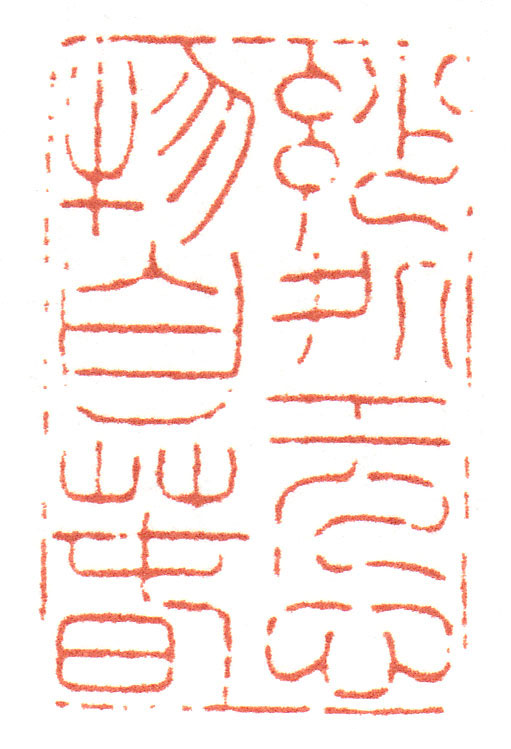
○ Recurring symptoms and a sense of "uncontrollability": Guided art therapy
Using drawing to depict the "fluctuations of symptoms" and the "inner stable point" can help you regain a sense of control.
1. Draw the "fluctuation curve"“
- Use different colors to represent the changes in your body's sensations each day.
- Make the fluctuations real and visible, rather than amplifying them in your mind.
II. Draw the "stable center point".“
- It symbolizes the habits, rhythms, or ways of rest that you can rely on.
- Make the screen show a "safe point" where you can go back.
Once the fluctuations are seen, they are no longer an out-of-control monster, but a rhythm you can manage.
Please log in before submitting your drawings and feelings.
○ 1422. Facing recurring symptoms and a sense of uncontrollability: Journaling guidance
① Write down the circumstances of the most recent sudden recurrence of symptoms.
② Describe your current emotional reaction.
③ Write down a stable statement: "I can establish rhythms within fluctuations."“
Please log in to use.
Uncertainty will not disappear, but you can establish your own stable rhythm within uncertainty.
 EN
EN  ZH
ZH  ES
ES  FR
FR  JA
JA