

Lesson 1428: Exposure Exercise: Facing Symptoms Instead of Avoiding Them
Duration:60 minutes
Topic Introduction:
This lesson focuses on "how to gradually practice living with physical symptoms without forcing yourself or overexerting yourself," which is one of the core strategies for improving somatic symptom disorder and reducing fear-based attention. People who are chronically experiencing health anxiety or somatization disorders often instantly enter a "danger prediction mode" when faced with sensations such as palpitations, chest tightness, dizziness, numbness, fatigue, shortness of breath, stomach discomfort, and decreased concentration. Subsequently, they exhibit avoidance behaviors: they are afraid to exercise, walk, go to crowds, sit for long periods, eat certain foods, attend meetings, or go out alone.
What seems like self-protective avoidance actually creates a vicious cycle: the more you avoid it, the more sensitive your body becomes; the more sensitive you are, the more fearful you become; the more fearful you are, the more persistent the symptoms become. Exposure practice is not about brutally "enduring" it, but about allowing you to experience, in a tolerable, gradual, and safe way, time and time again: "I can actually tolerate a little discomfort, and my body will stabilize."“
This course will guide you on how to create a graded exposure chart, how to determine the appropriate level of difficulty, how to observe your body's true reactions during exposure, and how to gradually bring your body back from a state of "danger alert" to one of "adaptability and recovery" through practice, so that fear no longer dominates your life.
○ Four principles of exposure practice
- Gradual rather than shocking:Start with the mildest discomfort, rather than tackling the most frightening task directly.
- Observe rather than control:The purpose of exposure is not to "make the symptoms disappear," but to learn that "it's okay to have symptoms."
- Persistence, not perfection:Even a brief period of tension is progress, as long as you don't revert to the old ways.
- Record, not evaluate:Record how the body deteriorates and recovers after each exposure to help the brain accumulate evidence that "the body can withstand it".
[arttao_Healing_Course_tts_group1426_1430]
▲ AI Interaction: Creating a "Personalized Exposure Ladder" for You“
Question 1: What are the three physical symptoms you fear most? (e.g., dizziness, palpitations, chest tightness, bloating)
Question 2: What activities did these symptoms cause you to avoid? List at least 5.
Question 3: Please sort these activities by "least severe → most frightening", and AI will help you generate your own exposure ladder.
○ Music-guided approach to maintaining a stable rhythm during exposure
During exposure exercises, incorporating music helps maintain breathing rhythm and body stability.
It is recommended to choose tracks with a steady rhythm and no strong emotional fluctuations.
Practice steps:
① Listen for 30 seconds before exposure to allow the brain to shift from a tense mode to an "adjustable" state;
② During exposure, focus on the rhythm of the music to distract yourself from the symptoms;
③ After exposure, listen for another 30 seconds to allow your body to experience "I survived".
The role of music here is not relaxation, but to establish an inner rhythm that allows me to continue even when I'm uncomfortable.
○ Eastern Healing Tea - Ginseng and Wheat Calming Tea
effect:It replenishes Qi and Yin, relieves tension, and calms the mind. It is suitable for drinking after outdoor exercise to help the body recover steadily from stress.
While drinking tea, repeat the exercise sentence: "Discomfort does not mean danger."“
Let tea drinking become a stable ritual after exposure.
○ Healing Soup: Prince Ginseng and Poria Spleen-Strengthening Soup
Exposure exercises are often accompanied by mild fatigue, tension, and decreased strength.
A soup made with Codonopsis pilosula, Poria cocos, hyacinth bean, and a small amount of wolfberry can invigorate the spleen and replenish qi, and help the nervous system return to a stable state.
The more stable your body's energy base, the better your brain can remain calm when exposed, gradually building your confidence that "I can handle it."
Support tolerance
Harmonize body and mind
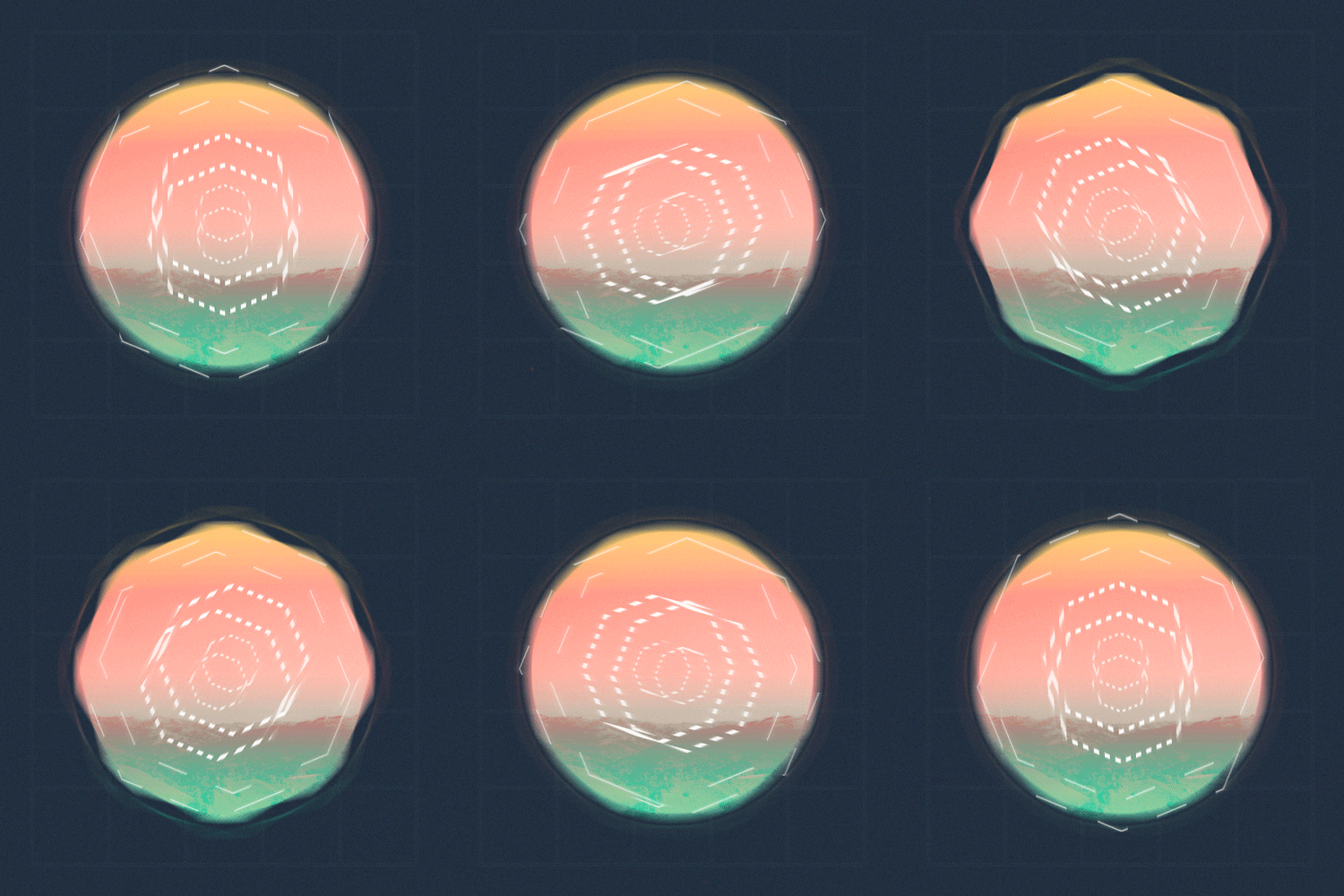
○ Mandala Viewing: From "Outer Circle Fear" to "Inner Circle Acceptance"“
A mandala is not about drawing something, but about observing it.
Imagine the outer circle as representing your most feared symptoms and the most terrifying situations; the inner circle as representing the smaller range you can tolerate.
While watching, you can slowly move your gaze from the outer circle to the inner circle and experience that "fear and acceptance can coexist."
The mandala offers a visual metaphor: you are gradually moving from the periphery of fear towards the center of your true abilities.
○ Chinese Calligraphy - Regular Script Practice: Incorporating Stability into Muscle Memory
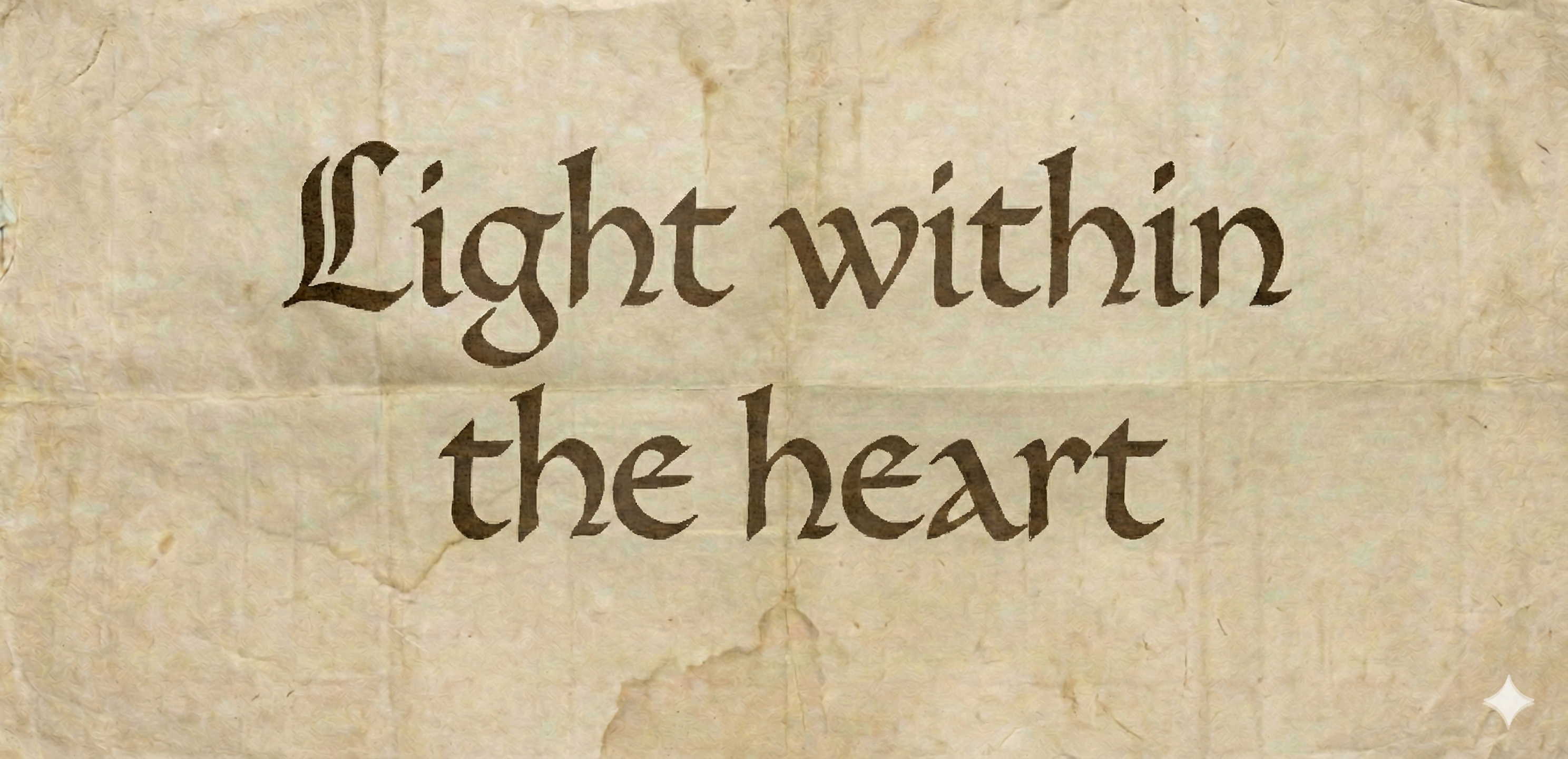
Before and after exposure exercises, writing regular script can stabilize breathing, slow down the pace, and allow the body to return from a state of tension to one of receptiveness.
With each stroke of the pen, I tell myself, "I can take my time."“
The solid structure of regular script symbolizes the "stability and endurance" you practice in exposure.
Practice sentences:“"Take it one step at a time."”
○ The Exposed Growth Curve: Art Therapy
This exercise helps you see that "exposure doesn't make you suffer more, but rather teaches your body that discomfort can be endured."“
Use drawing to help the brain understand that progress is not linear, but rather "fluctuating improvement".
1. Draw the "fear fluctuation line".“
- Draw a curve that fluctuates up and down but is generally downward.
- Each peak represents the tension when symptoms appear, and each trough represents the stability after recovery.
- This image symbolizes that although you may feel nervous, you will recover, and each time you recover faster than the last.
II. Draw the "Exposure Growth Ladder"“
- Draw a staircase that gradually ascends, and write down an exposure activity you have completed on each step (such as "walk for 5 minutes" or "go out to buy something alone").
- Make growth "visible".
Once completed, you can take a photo and upload it to let AI help you record your exposure growth trajectory.
Please log in before submitting your drawings and feelings.
○ 1428. Exposure Exercise: Facing Symptoms Instead of Avoiding Them - Journaling Guidance
① Write down one "small exposure" challenge you most want to take on today.
② Describe the physical and emotional reactions during the exposure (such as tension, palpitations, fear).
③ Record how your body recovered after the exposure ended, and the evidence you observed that "I withstood it".
Please log in to use.
Exposure doesn't make you suffer more, but rather allows you to experience it firsthand time and time again: your body will tense up, but it will come back; symptoms will appear, but they won't harm you; you are becoming bigger than your fear.
 EN
EN  ZH
ZH  ES
ES  FR
FR  JA
JA