

Lesson 1434: Exercise and Improving Physical Recovery
Duration:60 minutes
Topic Introduction:
This lesson focuses on how "Body Resilience" can be reawakened through appropriate exercise, and helps you understand why prolonged stress, anxiety, sleep deprivation, or symptom monitoring can make the body increasingly sensitive and weak, while proper exercise can conversely promote the body's recovery and stability. Many patients with somatic symptom disorders are afraid to exercise because of palpitations, dizziness, chest tightness, fatigue, limb weakness, or stomach discomfort, mistakenly believing that "exercise will worsen symptoms," thus falling into a vicious cycle of "inactivity—weakerness—more sensitivity."
However, what the autonomic nervous system needs most is not stillness, but **gentle, tolerable, and gradually increasing activity**. Exercise improves cardiovascular fitness, enhances blood circulation, reduces inflammation levels, improves sleep quality, and allows the body to relearn "I can handle discomfort," thereby significantly reducing catastrophic interpretations, health anxiety, and symptom amplification. This course will help you develop a safe, progressive exercise strategy that allows your recovery to improve naturally without pressure, resistance, or avoidance, enabling your body to regain strength and stability.
○ Three major mechanisms for enhancing resilience
- Strengthening autonomic nervous system stability:Exercise can help the body shift from a long-term high-alert mode to a "regulation mode".
- Improve physical endurance:Moderate workload makes the body less sensitive, less prone to fatigue, and less easily triggered.
- Improve mood regulation:Exercise promotes the release of dopamine and endorphins, preventing symptoms from being amplified by emotions.
[arttao_Healing_Course_tts_group1426_1431]
▲ AI Interaction: Is your body ready?
Question 1: What sports are you most worried about causing discomfort?
Question 2: What kind of light activity made you feel more comfortable in the past?
Question 3: Write an actionable small goal: "I am willing to move for 3 minutes today."“
○ Music-guided "nerve warm-up" before exercise“
Listen to some soothing music that gradually brightens before exercising.
It can help breathing, heart rate, and muscle tension enter "ready mode".
Reduce your fear of exercise and make your body more willing to cooperate.
Music is the first step in awakening resilience.
○ Eastern Healing Tea: Astragalus and Codonopsis Qi-Boosting Tea
effect:It invigorates qi and strengthens the spleen, improves physical fitness, and is suitable for drinking during the recovery period after exercise to enhance blood circulation after light exercise.
○ Healing Soup: Ginseng and Astragalus Spleen-Strengthening Soup
After light exercise, the body needs a steady supply of energy.
Soups that replenish qi and strengthen the spleen can improve basic physical strength.
It prevents you from experiencing "exhaustion, weakness, or aggravated discomfort" after exercise.
It supports the body in rebuilding strength and endurance.
Improve endurance
Reduce fatigue
○ Mandala Viewing: The Gradually Expanding Circle of Power
A mandala is not about drawing something, but about observing it.
The inner circle symbolizes the amount of activity you can currently handle;
The outer ring symbolizes your future goals and resilience.
Every time you look at the outer ring, you're telling your brain:
“My abilities are slowly expanding, rather than being limited by the symptoms.”

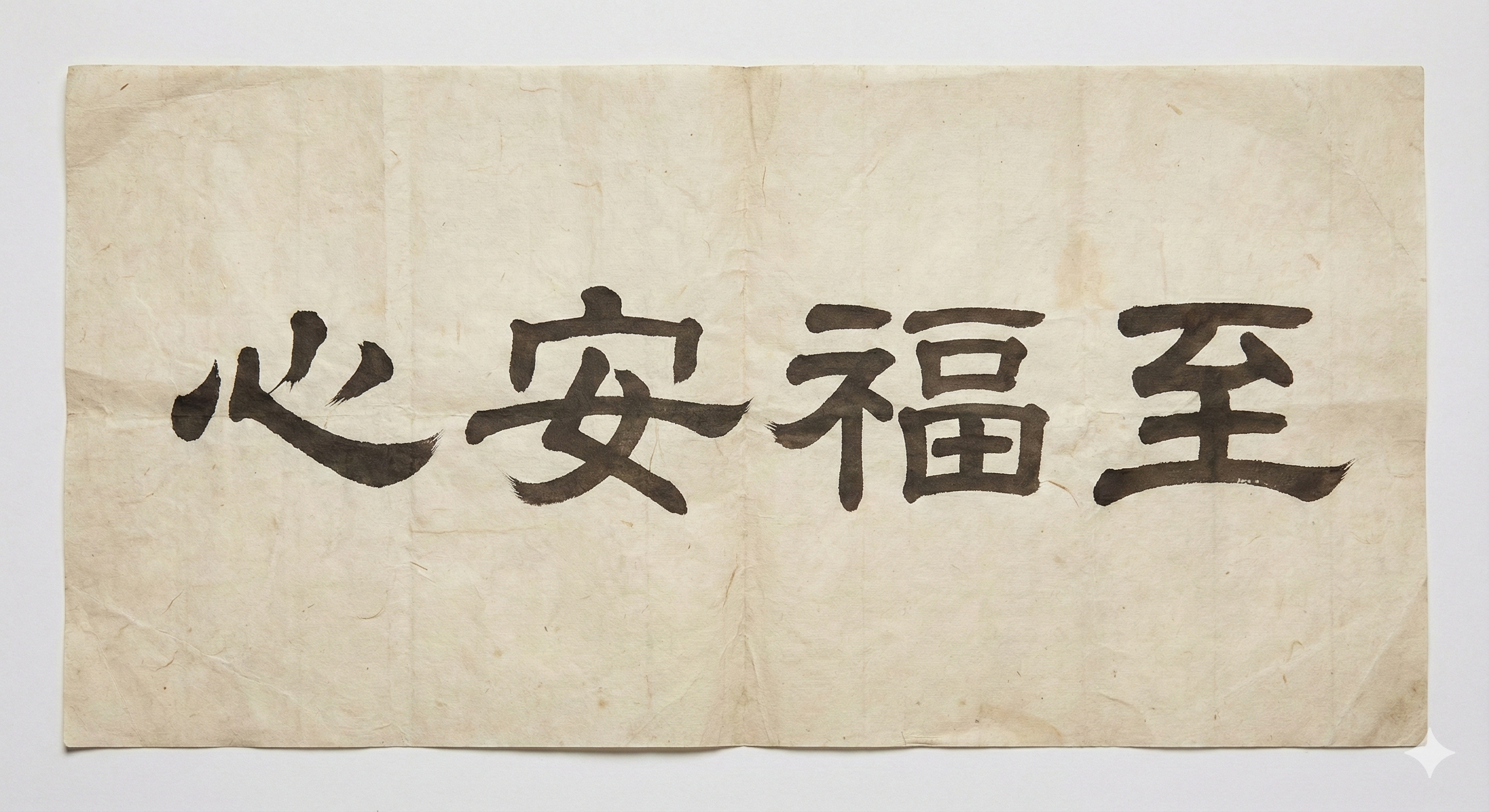
○ Chinese Calligraphy - Regular Script Practice: Rhythm and Endurance
The steady rhythm of each stroke in regular script;
Just like the body's recovery ability needs to be "slow, steady, and continuous".
The writing process itself is a form of mental endurance training.
It allows you to rediscover the connection between your body and rhythm.
Practice sentences:“"Power comes from a little bit."”
○ Resilience Growth Curve: Art Therapy
Visualize your recovery process "from sensitivity to tolerance, from weakness to stability".
It makes you more willing to stick to the results of exercise.
1. Draw your "current resilience".“
- Use a low, undulating line to represent your current situation.
- Mark the activities that are most likely to cause discomfort.
2. Draw the "Resilience Enhancement Line".“
- Draw a curve that gradually rises and then levels off, symbolizing increased tolerance.
- Write down the exercise you are trying, such as walking, stretching, or light yoga.
When you can "see progress," your body's power is more willing to be awakened.
Please log in before submitting your drawings and feelings.
○ 1434. Exercise and Improved Physical Recovery: Log Guidance
① Write down the smallest amount of exercise you did today (e.g., walk for 3 minutes).
② Describe your physical sensations before and after exercise.
③ Write a sentence to encourage yourself: "I am recovering little by little."“
Please log in to use.
Resilience is not about pushing yourself, but about steady, gentle progress.
 EN
EN  ZH
ZH  ES
ES  FR
FR  JA
JA