

Lesson 1435: Diet and Body Energy Balance
Duration:60 minutes
Topic Introduction:
This lesson focuses on the crucial role of diet and energy balance in somatic symptom disorders, helping you understand why seemingly ordinary foods profoundly affect a range of physical and mental experiences, including sensitivity, fatigue, palpitations, dizziness, stomach discomfort, chest tightness, and decreased concentration. Prolonged anxiety, tension, poor sleep, or symptom monitoring can keep the autonomic nervous system in a "high-energy-consumption mode" for extended periods, making the body particularly susceptible to problems such as hypoglycemia, insufficient energy, gastrointestinal disorders, and decreased physical strength.
Many patients, after experiencing symptoms, tend to reduce their food intake, become picky eaters, or fear certain foods, believing that "eating less is safer." However, this inadvertently makes their body's energy more unstable, further amplifying the symptoms. This course will help you establish a stable energy diet strategy, including: consuming sufficient energy sources, maintaining stable blood sugar levels, protecting spleen and stomach function, reducing irritants, and allowing your body to relearn "I have resources to recover." Through proper replenishment, you will find that your body's tolerance, emotional stability, and symptom recovery speed can all be significantly improved, preventing your body from repeatedly warning you of energy deficiency.
How does diet affect bodily sensitivity? Three key points.
- Maintain stable blood sugar:Avoid exacerbating palpitations, fatigue, dizziness, and anxiety caused by low blood sugar.
- Protect spleen and stomach function:Good digestion can reduce the burden on the body and make energy flow more smoothly.
- Supplementing basic nutrition:Protein, complex carbohydrates, and healthy fats help improve overall tolerance.
[arttao_Healing_Course_tts_group1426_1431]
▲ AI Interaction: Did you eat enough today?
Question 1: What time is your first meal today?
Question 2: Do you reduce your food intake because you feel unwell?
Question 3: Write a commitment about energy stability: "I am willing to give my body back its strength."“
○ Music-guided relaxation rhythm before meals
For some visitors, they may experience tension or a decreased appetite before eating.
Playing soft, slow-paced music can initially reduce the alertness of the gastrointestinal tract.
Make the body more willing to accept energy replenishment and reduce the amplification of discomfort after eating.
○ Eastern Healing Tea: Codonopsis and Poria Cocos Qi-Boosting Tea
effect:It strengthens the spleen and replenishes qi, boosting basic energy levels. It is suitable for those who experience fatigue, poor digestion, and physical sensitivity due to long-term stress and weak spleen and stomach.
○ Healing Soup: Astragalus and Hyacinth Bean Qi-Boosting Soup
When the body is in a state of chronic energy deficiency, discomfort can be easily amplified.
Soups that replenish qi and strengthen the spleen can replenish basic energy and enhance the body's tolerance and stability.
It will prevent you from feeling weak or panicked even with mild symptoms.
It also allows the body to have more resources for repair and recovery.
Boost energy
Reduce feelings of weakness
○ Mandala Viewing: The Flow of Inner Energy
A mandala is not about drawing something, but about observing it.
While watching, pay attention to the rhythm of the rings expanding outwards from the center.
Experience the process of energy going from "insufficient → gradually stable → abundant".
This helps the brain establish the perception that "the body is recovering."
Reduce anxiety and catastrophic thinking caused by feelings of weakness.

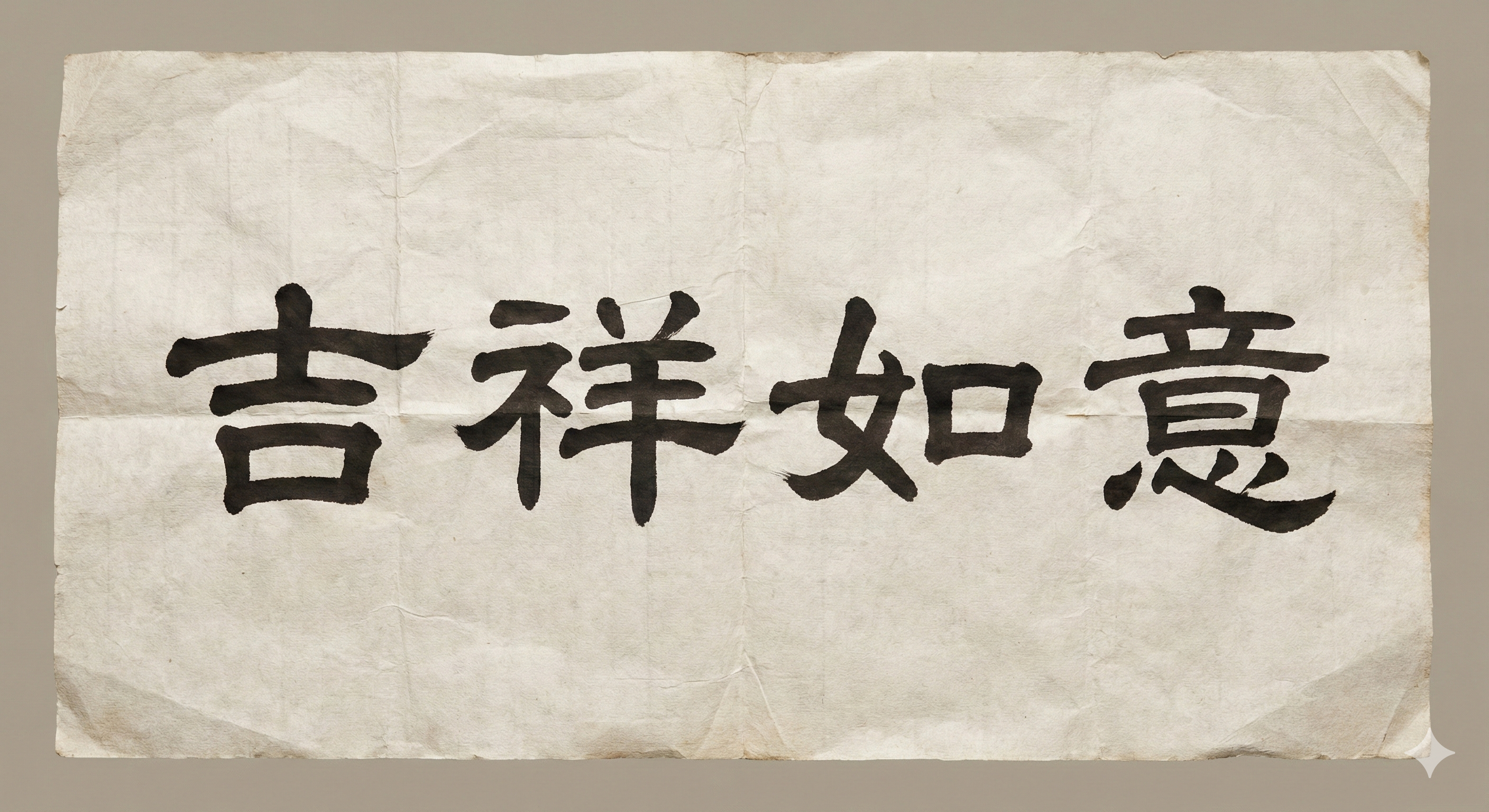
○ Chinese Calligraphy - Regular Script Practice: Nourishment and Stability
The rhythm, clarity, and stability of regular script itself represent a kind of "inner nourishment".
In the process of writing, you can gradually experience that "I am replenishing, not depleting".
This is another way to restore physical strength and mental stability.
Practice sentences:“Nourishing makes me more stable.”
○ Energy Balance Diagram - Art Therapy
Through painting, you can visually see how energy input and output affect bodily sensitivity.
This will help you understand that "my body needs a steady supply of nutrients, not something to be endured or ignored."
1. Draw the "Energy Input Zone"“
- Write down the foods that provide you with energy, such as protein, soups, and grains.
- Mark the supply methods that are particularly effective for you.
2. Draw the "energy consumption zone".“
- These include anxiety, tension, poor sleep, and digestive problems.
- Observe whether the energy flow is balanced.
When you realize that your energy is imbalanced, you are more willing to actively nourish your body instead of continuing to deplete it.
Please log in before submitting your drawings and feelings.
○ 1435. Diet and Body Energy Balance - Journal Guide
① Write down what you ate for your three meals today and when you ate them.
② Describe the changes in the body before and after eating.
③ Write a promise that empowers your body: "I am willing to take good care of myself."“
Please log in to use.
When you are willing to nourish your body, it will reward you with stability and strength.
 EN
EN  ZH
ZH  ES
ES  FR
FR  JA
JA