

Lesson 1436: Strategies to Reduce Repeated Medical Visits
Duration:60 minutes
Topic Introduction:
This lesson focuses on the maintenance mechanism of "recurrent medical visits" in somatic symptom disorders and helps you understand why, even with normal medical test results, you still want to confirm, get another test, or seek another doctor's opinion. When you experience discomfort, tightness, pain, or inexplicable sensations, your brain's "danger monitoring system" becomes highly sensitive, making you mistakenly believe you are ignoring a serious illness, thus creating an urge to "check immediately." Each visit, examination, and consultation brings temporary reassurance, but this reassurance is highly unstable and quickly disappears, leading you to rely more on the next medical visit to alleviate anxiety.
This lesson will help you understand how this cycle forms, why the more frequently you seek medical help, the stronger your anxiety becomes, and how to gradually reduce the urge to seek medical help through methods such as "delay strategies," "alternative behaviors," the "symptom observation window," and "counterfactual thinking correction." The goal is not to stop you from seeking medical help, but to help you build more stable and rational judgment, so that your body is no longer led by excessive worry, and you can regain your rhythm and sense of autonomy in life.
Why do I become more anxious the more I investigate?
- Brief reassurance → quickly disappears:Seeking medical help provides immediate relief, but not long-term stability.
- Excessive monitoring of the body:The more you focus on your body, the more your symptoms are amplified and the more worries you experience.
- “The fear of "missing a diagnosis":It makes you want to "check it again" again and again.
[arttao_Healing_Course_tts_group1426_1431]
▲ AI Interaction: What triggers your urge to seek medical help?
Question 1: What physical sensation led you to seek medical attention the last time?
Question 2: What kind of "certainty" do you think a doctor can give you?
Question 3: Write a reassuring reminder: "I can observe first, rather than act immediately."“
○ Music Guidance: Stabilizing the Rhythm Before Panic
When the urge to seek medical help arises, try playing soft, steady-tempo music.
Switch your brain from "emergency mode" to "observation mode".
Many visitors find their impulses gradually decrease in the calming effect of music.
Instead of letting anxiety lead you to make decisions.
○ Eastern Healing Tea: Ginseng and Goji Berry Soothing Tea
effect:It replenishes Qi, stabilizes the mind, and relieves tension, and has a significant calming effect on the "must be certain" impulse caused by anxiety.
○ Healing Soup: Codonopsis and Yam Spleen-Strengthening Soup
When the body's energy is stable, the brain is more likely to make rational judgments;
Conversely, when you are in a state of weakness, fatigue, and low energy for a prolonged period of time,
The urge to seek medical help will be particularly strong because the instability of your body will make you more afraid of losing control.
Soups that strengthen the spleen and replenish qi can stabilize the body, making you more resilient to uncertainty.
Replenishing Qi and strengthening the spleen
Enhance endurance
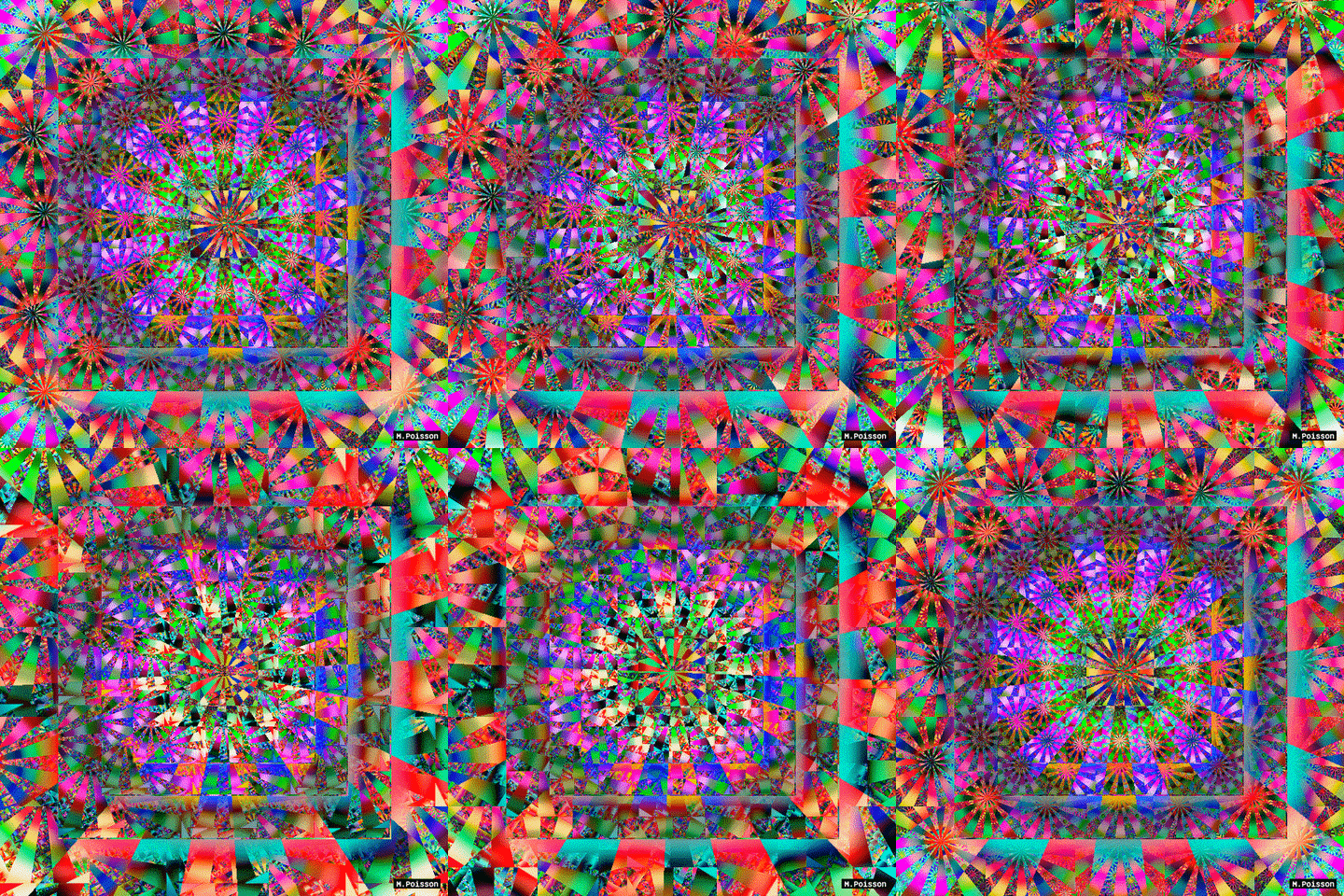
○ Mandala Viewing: The Stabilizing Point of the Cycle
A mandala is not about drawing something, but about observing it.
If you look at the center of the mandala, you will find:
Even as the outer pattern continues to cycle, the center remains stable, quiet, and reliable.
This is similar to how external checks, explanations, and searches can cause your anxiety to fluctuate.
But you can return your attention to the "center of stability".
This is an important exercise to reduce the urge to seek medical help.
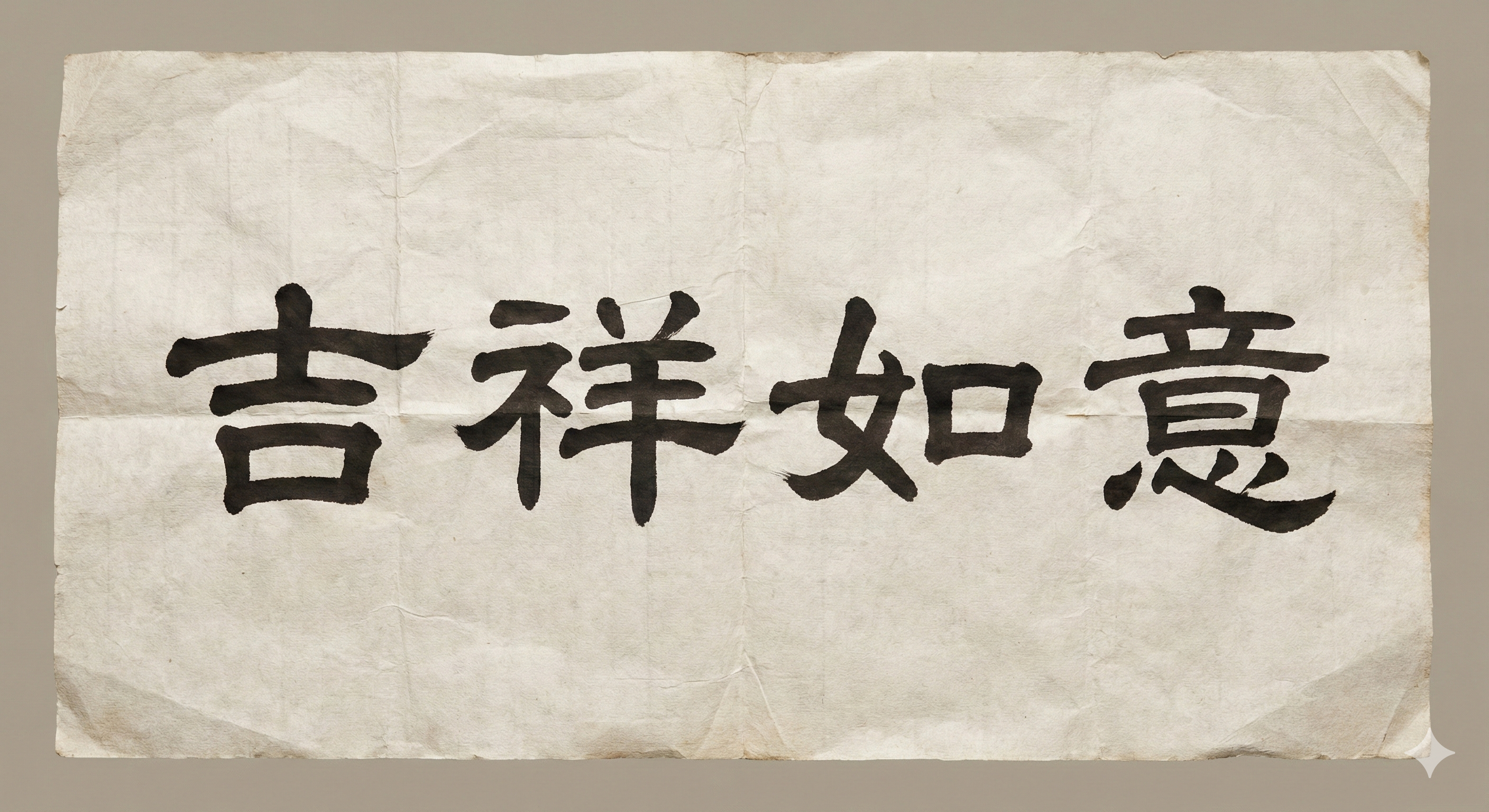
○ Chinese Calligraphy - Regular Script Practice: Maintain a Stable Center
Every stroke in regular script is clear, orderly, and stable, like a reconstruction of an "inner order".
In writing, you can experience a sense of rhythm and control.
This is especially important for the body, which is anxious due to uncertainty.
Practice sentences:“"The center makes me feel secure."”
○ Medical Treatment Cycle Chart & Art Therapy
Through drawing, you can observe the process of "symptoms → fear → seeking medical help → brief reassurance → fear again".“
This is a common loop, and we can learn to add a "buffer step" in the middle.
Only by recognizing the cycle can one break free from it.
1. Draw the "impulse ascent point".“
- Write down the typical feelings that make you want to seek medical attention: chest tightness, dizziness, palpitations, etc.
- The context in which this is marked: at night, when alone, when under a lot of work pressure, etc.
II. Draw the "buffer zone".“
- Incorporate methods such as delay, observation, reinterpretation, and deep breathing.
- Mark the map with "I can wait 10 minutes".
When impulses are gently delayed, you won't be led astray by them.
Please log in before submitting your drawings and feelings.
○ 1436. Strategies to reduce repeated medical visits: Journaling
① Write down the direct trigger that made you want to seek medical help the most recently.
② Record what alternative options you might have had if there had been a 10-minute delay.
③ Write a reminder: "I can observe first, rather than take immediate action."“
Please log in to use.
Stability comes not from more tests, but from rebuilding trust in your body.
 EN
EN  ZH
ZH  ES
ES  FR
FR  JA
JA