

Lesson 1440: Long-term strategies for improving somatic symptom disorders
Duration:60 minutes
Topic Introduction:
This course focuses on "long-term improvement strategies" to help you establish a lasting, stable, and sustainable recovery rhythm on your path to overcoming physical symptoms. Many clients, after experiencing fluctuations in symptoms, rises and falls in anxiety, and periodic relapses, gradually realize that physical discomfort is never caused by a single factor, but is closely related to multiple areas such as sleep, stress, emotions, daily rhythms, autonomic nervous system stability, exercise volume, diet quality, cognitive habits, and focus of attention. Therefore, long-term improvement is not about "pursuing complete symptomlessness," but about cultivating a resilience—that allows me to continue living and moving forward even when I occasionally feel unwell.
This lesson will integrate the four pillars covered in previous lessons:
—A stable daily routine and sleep;
—Reduce symptom monitoring and health anxiety;
—Build trust and a sense of security in your body;
— Maintain a gentle and regular exercise routine, diet, and emotional regulation.
Through continuous, small adjustments, you will gradually develop greater "physical resilience," no longer being led by symptoms, but instead being able to lead your body towards a stable and sustainable lifestyle.
○ Core structure for long-term improvement
- Stable rhythm:Maintain regular sleep patterns, engage in moderate physical activity, and reduce excessive stimulation.
- Reduce surveillance:Reduce the frequency of focusing on symptoms to break the cycle of anxiety.
- Building Trust:Learning that "the body can handle it" doesn't mean being in constant danger.
- Improve physical fitness:Gentle exercise and a diet that strengthens the spleen and replenishes qi can improve the body's foundation.
[arttao_Healing_Course_tts_group1437_1440]
▲ AI Interaction: Your Long-Term Stable Strategy Framework
Question 1: What have you been most worried about regarding your health in the past month?
Question 2: Which habits most significantly affect your physical stability (such as sleep, diet, and mood)?
Question 3: Write down a small habit you would like to maintain, such as "take a 10-minute walk every day".
○ Music-guided reconstruction of steady-state rhythms
Choose music with a steady rhythm to allow your body to gradually develop a "stable rhythm memory" while listening.
Long-term improvement depends on rhythm, and rhythm can be trained through music to help the nervous system learn to relax and stabilize.
○ Eastern Healing Tea: Teas that Nourish Qi and Heart
Recommended drinks:American ginseng and red date tea: Nourishes Qi and heart, stabilizes weak energy.
effect:Suitable for those who are easily fatigued, weak, or anxious due to insufficient energy, it helps rebuild the body's underlying energy.
○ Healing Soup: Codonopsis and Astragalus Spleen-Strengthening Soup
Long-term improvement requires a stable physical foundation. The combination of Codonopsis pilosula and Astragalus membranaceus can gently replenish Qi, improve fatigue, and enhance endurance, making the body more able to withstand daily changes and reducing the recurrence of symptoms caused by weakness.
Enhance endurance
Long-term conditioning
○ Mandala Viewing: Steady Expansion Outward from the Center
A mandala is not about drawing something, but about observing it.
The center symbolizes the body's current state, while the outer circle symbolizes the stable life you aspire to.
The feeling while watching: Stability is not achieved all at once, but is a gentle process of slowly expanding outward.

○ Chinese Calligraphy - Regular Script Practice: Long-Term Rhythm and Stability
The regular script has a stable structure and balanced rhythm, making it suitable for mental training for "long-term improvement".
Every stroke of the pen is an exercise in "stability and sustainability".
Practice sentences:“"Stability is a strength."”
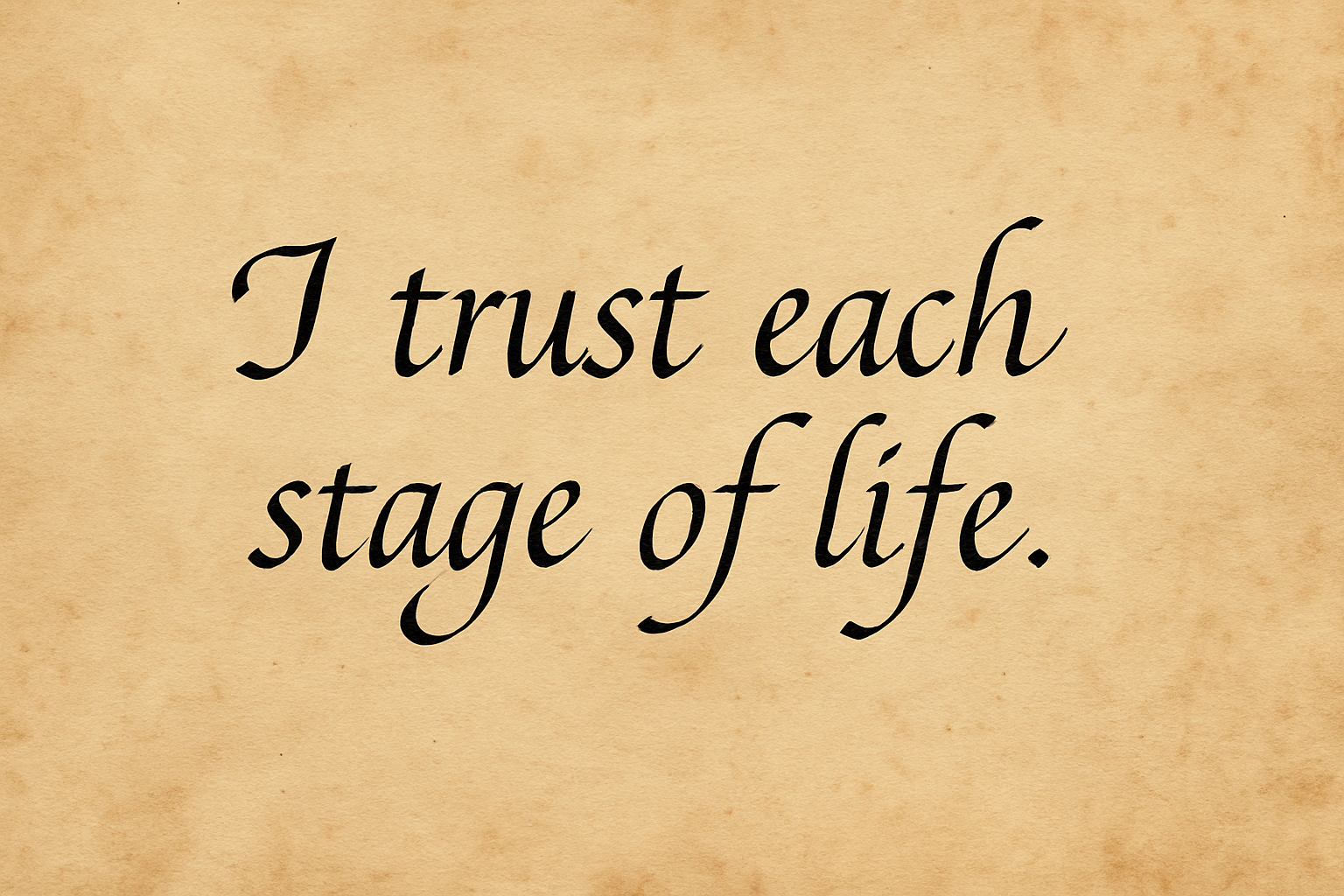
○ Long-term rhythm mapping and art therapy
Visually map your "stable path" to help you concretize, make visible, and make actionable long-term improvements.
1. Draw the "Four Quadrants of Life Stability"“
- Sleep, Exercise, Diet, Emotions
- Mark your current status and goals in each quadrant.
II. Draw your "Daily Micro-Actions"“
- For example: "Take a 10-minute walk", "Go to bed 30 minutes earlier", "Reduce symptom monitoring".
Stability is not a miracle, but the result of accumulated small actions.
Please log in before submitting your drawings and feelings.
○ 1440. Long-term improvement strategy: Log-guided approach
① Write down your long-term health improvement goals.
② Describe a "small stabilizing action" you completed today.
③ Write a sentence to encourage yourself: "I am becoming more stable step by step."“
Please log in to use.
Long-term improvement is a steady path forward, and you are already on it.
 EN
EN  ZH
ZH  ES
ES  FR
FR  JA
JA