

Lesson 1445: Treatment Methods for Illness Anxiety Disorders
Duration:70 minutes
Topic Introduction:This course will comprehensively introduce various methods for treating illness anxiety disorder, including cognitive behavioral therapy (CBT), mindfulness training, exposure and response prevention (ERP), supportive nutrition, and daily life adjustment strategies. It will help students understand that illness anxiety can be scientifically intervened, alleviated, and even cured.
○ Common treatment strategies
- Cognitive behavioral therapy (CBT):Identify and correct patterns of catastrophic thinking and body misreading.
- Exposure and Response Prevention (ERP):Gradually confront the “fear situation” and break the avoidance behavior.
- Mindfulness meditation training:Improve your awareness of the present moment and reduce your body's anxiety reactions.
- Art and Writing Therapy:Transform inner fears into visible expressions and gain cognitive liberation.
▲ AI interaction: setting your treatment starting point
Treatment may include psychotherapy, medication, relaxation training, or lifestyle adjustments. They are tools, not burdens.
Write down two things you would like to try, such as limiting your research time or taking a ten-minute walk every day.
Make a “peace list” of three small things that help you relax and stick to it for a week.
Write down one small action you completed today and give yourself a pat on the back. Small progress is still progress.
Conclusion: Treatment is a journey, you don’t need to be perfect, just move forward slowly.
Click the button below to work with AI to choose the starting healing path that suits you and record your small but real progress every day.
○ Treatment of disease anxiety disorder · Music therapy
Let the bright but not noisy melody serve as the background to remind you: there are many ways and the steps can be small.
Choose two of the following: "Reduce Verification Seeking," "Limit Searching," and "Regulate Sleep and Work Schedule" and do them for a week. Write down the execution times and the replacement behaviors.
Create an “evening slow-down playlist”: low light—light stretching—music—write three sentences of gratitude to bring your body back to safety.
Track small successes: checking one less time than yesterday, being able to refocus on your breathing. Music adds a touch of light to these small moments.
Write down words of encouragement: I am practicing new ways of protection, and fear is no longer the only gatekeeper.
○ Warm milk therapy drink
Recommended drinks:Golden Milk with Vanilla
Recommended reasons:Vanilla has the effect of calming the nerves and enhancing well-being. Combined with the anti-inflammatory effect of turmeric and the nourishment of warm milk, it is suitable as a soothing night drink during treatment.
usage:To 200ml of milk, add 1/2 teaspoon of turmeric powder and a few drops of vanilla extract, stir and heat over low heat. Add honey to taste before drinking.
Mung Dal
A balanced combination of plant protein and soluble fiber provides mild satiety and a stable sugar profile. Potassium and polyphenols work synergistically to alleviate heatiness and fatigue. Suitable as a lightweight staple food alternative and a supplement for recovery periods.
Healing Recipes
/home2/lzxwhemy/public_html/arttao_org/wp-content/uploads/cookbook/mung-dal.html(Please confirm that mung-dal.html has been uploaded)🎨 Themed Mandala
This lesson suggests drawing a "Healing Path" mandala. The structure can adopt spiral advancement or step-by-step symmetry, symbolizing the journey from fear to recovery, and combining keywords such as "trust", "relaxation", "courage" and other color symbols.
Applicable issues:Chronic, recurring health anxiety, skepticism about treatment, or lack of motivation.

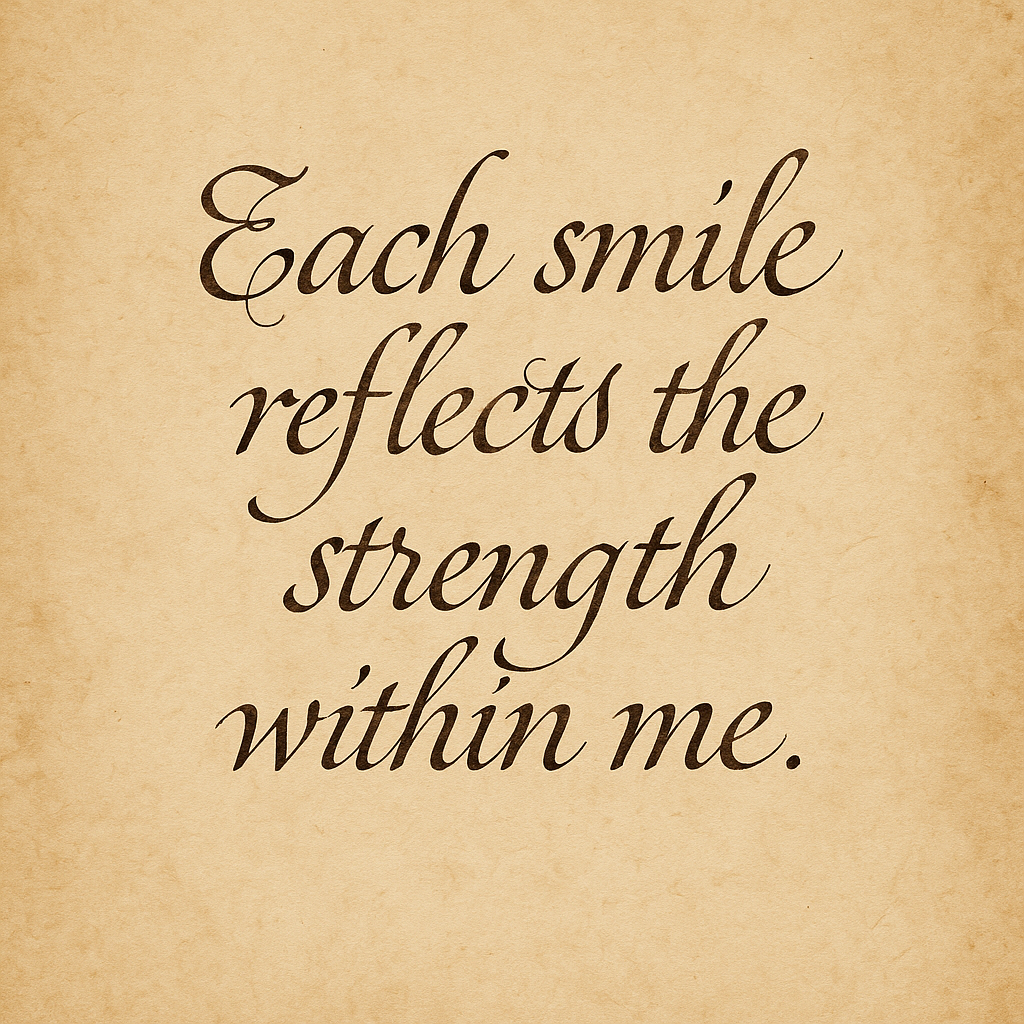
○ Medieval Gothic calligraphy practice
Writing your inner convictions in beautiful form is a symbolic act that reinforces your resolve to heal. Each stroke represents a "choice" rather than a "reaction."
Practice sentences:
“I choose healing over fear every day.”
Each day, I choose healing over fear.
It is recommended to write it 1 to 3 times before starting the healing practice every day to help yourself return to the state of mind of "willing to change".
○ Treatment methods for disease anxiety disorder: Suggestions for guidance on painting therapy
This page provides a visual representation of "treatment and self-help". Intervention for illness anxiety disorder is usually combined withMedical treatment, psychotherapy, lifestyle adjustments and self-practiceDrawing can help us externalize abstract treatment steps into clear paths and toolboxes, thereby enhancing our sense of execution and control.
1. Treatment Pathway (Medicine-Psychology-Life)
- Draw three parallel paths: ① Medical diagnosis and treatment (regular physical examinations, medication as prescribed by the doctor, and follow-up examinations); ② Psychological therapy (cognitive behavior, mindfulness practice, emotional expression); ③ Lifestyle adjustments (regular schedule, exercise, nutrition, and social support).
- Draw “road signs” on each road: the path I have tried and the next move I am prepared to make.
- Draw “support stations” at the intersections: companionship from friends, understanding from family members, and professional guidance, to remind multiple parties to collaborate.
2. Psychological Intervention Toolbox (Rewriting × Exposure × Mindfulness)
- Draw a toolbox containing three cards: ① Thought rewriting card (original sentence → balanced sentence), ② Exposure practice card (delay 10 minutes before searching/fixed frequency physical examination), ③ Mindfulness practice card (3 minutes of breathing, focusing on the five senses).
- Write a sentence of encouragement next to each card: "Rewriting your thoughts is a step to reducing your burden", "Delaying is a small experiment to train your patience", "Take three breaths and your anxiety level may drop a little."
- Every time you use a tool, draw a ✓ or ★ on the side to accumulate a sense of accomplishment.
Tip: Drawing can help you visualize treatment pathways and actions, but it cannot replace medical diagnosis and treatment. If acute red flags occur (sudden chest pain, unilateral limb weakness, slurred speech, persistent high fever, black stools or unexplained bleeding, difficulty breathing, etc.), please seek medical attention immediately.
Please log in before submitting your drawings and feelings.
○ 1445. Treatment methods for anxiety disorders related to illness: Journal-based guidance suggestions
① Common treatments: Psychotherapy, medication, relaxation training, and lifestyle adjustments. Each step is gentle and effective.
② Write down two things you would like to try, such as exercising regularly or reducing your searches for health information.
③ Make a “daily calming list” consisting of three small things that can help you feel calm.
④ Record a small action you completed today, even if it’s just checking one less symptom than yesterday.
Please log in to use.
Illness anxiety isn't who you are; it's how you've tried to adapt to an uncertain world. Now, you can choose a gentler path to healing.
 EN
EN  ZH
ZH  ES
ES  FR
FR  JA
JA