

Lesson 1446: The Difference Between Health Anxiety and Somatic Symptom Disorders
Duration:60 minutes
Topic Introduction:This course focuses on the differences and overlaps between "health anxiety" and "somatic symptom disorder." Both involve amplified worries about bodily sensations, but the former emphasizes "I might have a serious illness," often leading to unease even when medical checkups are repeatedly normal; the latter centers on persistent or recurring physical discomfort, with thoughts and emotions constantly driven by actual symptoms. This course will use real-life examples to help you distinguish whether you are primarily worried about future illnesses or overwhelmed by current symptoms; and will teach you to transform hypochondriacal self-examination into more evidence-based decisions regarding medical treatment and self-care. You don't need to immediately label yourself with a diagnosis, but rather learn to understand your body's signals in a gentler, more nuanced way.
○ Health anxiety and somatic symptom disorder: key differences
- Different focus:Health anxiety focuses more on the idea of "whether there is a serious disease", and people continue to worry even if the symptoms are mild or the tests are normal; somatic symptom disorder is centered on persistent experiences such as pain, discomfort, and fatigue, and the symptoms themselves are very prominent.
- The role of medical test results:In health anxiety, repeated tests are difficult to be comforted by negative results; in somatic symptom disorder, there may be cases where no obvious cause can be found, as well as cases with mild organic problems, but psychological and behavioral reactions far exceed the symptoms themselves.
- Differences in behavioral patterns:People with health anxiety are more likely to seek verification, compare data, and listen to multiple opinions; those with somatic symptom disorders may repeatedly change treatment plans or have their daily functions limited by chronic pain and fatigue.
- Commonalities:Neither is "being dramatic" or "overthinking," but rather a psychological cycle formed under multiple factors such as anxiety, lack of security, and past experiences. This course invites you to observe with curiosity, rather than judgment, which pattern you are closer to, or a little bit of both.
▲ AI Interaction: Which of these concerns is closer to yours?
Reflect on your most recent intense health concerns: were you more afraid of a "serious illness that hasn't been discovered yet," or were you overwhelmed by real pain and discomfort? Write down your three most prominent thoughts at that time.
Please describe your physical sensations at that moment (e.g., chest tightness, rapid heartbeat, stomach tightness, dizziness, weakness, etc.), and mark the intensity on a scale of 0–10. Also, record approximately how long they lasted.
Try to distinguish between "facts" and "guesses": facts are what specifically happened to the body; guesses are your interpretations of these phenomena. Write down at least three of each and list them in two columns.
Finally, please describe to the AI: Are you more afraid of "missing out on a serious illness" or "being overwhelmed by long-term symptoms"? The AI will help you make decisions about medical treatment and self-care in a gentler, less self-blaming way.
Click the button below to send the scenario you just noted to the AI, practice distinguishing between health anxiety and somatic symptom disorder together, and get specific and gentle coping suggestions.
○ Health Anxiety and Identification of Somatic Symptoms: Music Therapy
Choose a piece of instrumental music with a steady rhythm and slow melody, and play it in a quiet environment. Let the music flow like a background river, simply moving behind you, rather than being used to "fight" your symptoms.
With music as your accompaniment, reflect on a typical health-related worry that occurred today: Write three lines each, describing "what my body is experiencing," "what I'm worried about," and "what actions I actually took." Let the music help you differentiate between these three aspects.
When the melody transitions into the second half, try a small experiment with your breathing: inhale for 4 counts and exhale for 6 counts, counting with the music, not with your fear. Observe whether there are any slight changes in your body's intensity; there's no need to try to relax immediately.
Before the music ends, write down a sentence that is "fair to both your body and yourself," such as: "I do feel uncomfortable, but I am also learning to use more complete information to make judgments, instead of just listening to the voice of fear." This sentence can serve as a "stabilizing sentence" for your next episode.
Repeating this musical exercise several times is not to cure any symptoms immediately, but to allow the brain to gradually experience: I can be uneasy at the same time, but also be supported by the rhythm, instead of being completely led astray by fear.
○ Herbal Healing Tea
Recommended drinks:Chamomile Lemon Balm Soothing Tea
Recommended reasons:Chamomile helps relax tension and relieve mild anxiety; lemon balm is widely used to soothe the nervous system and help calm the mind before sleep. The combination of the two provides a small, reliable window of respite for the mind and body when facing health anxieties or chronic physical discomfort.
usage:Steep 2 grams of chamomile and 1 gram of lemon balm in 300 ml of hot water for 5–7 minutes. You can drink it in the evening, after writing in your journal, or after completing the exercises in this lesson. With a slow drinking rhythm, make "tea time" a fixed and safe moment in your day.
○ Alkaline Healing Meal: Green Vegetable Quinoa Energy Bowl
Primarily composed of quinoa, dark green leafy vegetables (such as spinach and kale), and colorful green vegetables, with a small amount of nuts and olive oil. Overall, it leans towards plant-based foods, is rich in minerals and dietary fiber, which helps reduce the burden on the body from a high-sugar, high-fat diet, resulting in a more stable blood sugar and energy curve, and providing gentle support for the body experiencing long-term anxiety and chronic discomfort.
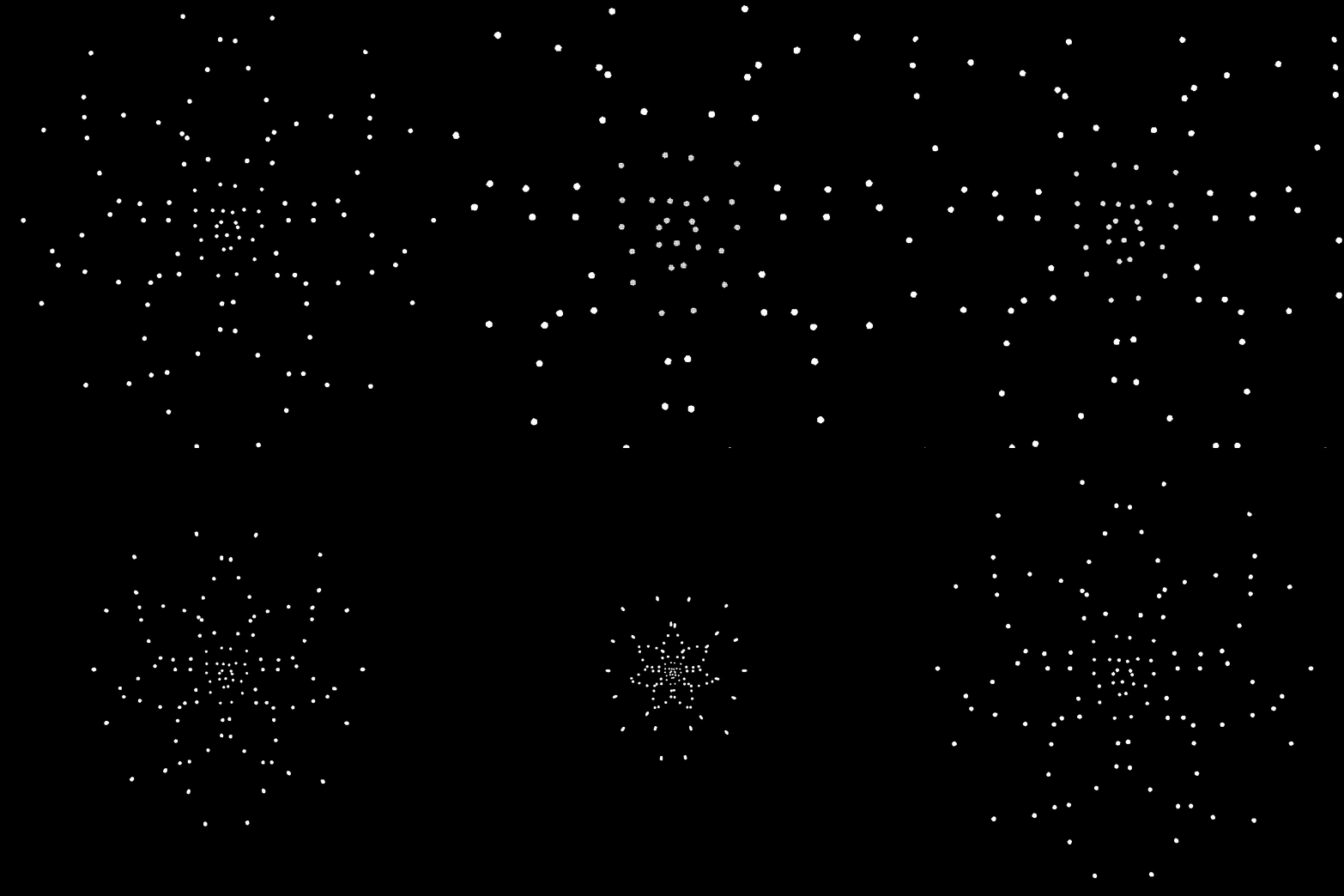
○ Theme Mandala: From Fear to Discernment (Viewing Exercise)
The mandala exercises in this lesson emphasize "looking" rather than "drawing" anything. Please choose a completed mandala image or open an artwork in the mandala gallery on this site and allow yourself to gaze at it quietly in a safe space.
First, view the whole picture: Notice the contrast between the outer and inner circles. Imagine the outer circle as "various test results and other people's opinions," while the inner circle represents "the actual physical sensations and emotional fluctuations at this moment." You don't need to analyze; simply confirm that both are present in the image, yet no longer overwhelm each other.
Next, slowly move your gaze and find three areas in the image that make you feel relatively calm and allow your breathing to flow smoothly. You can silently repeat, "At this moment, I don't need to draw conclusions immediately; I just need to observe what I am experiencing." Let observation become a short pause in automatic fear-based reasoning.
Note: The purpose of mandalas here is not to "create a perfect artwork," but rather to learn to coexist with complex bodily sensations and emotions by viewing ready-made images. After each peak of health anxiety, you can spend 2-3 minutes returning to the same artwork and observing whether your gaze is no longer solely focused on the most tense area.
○ Modern art calligraphy practice
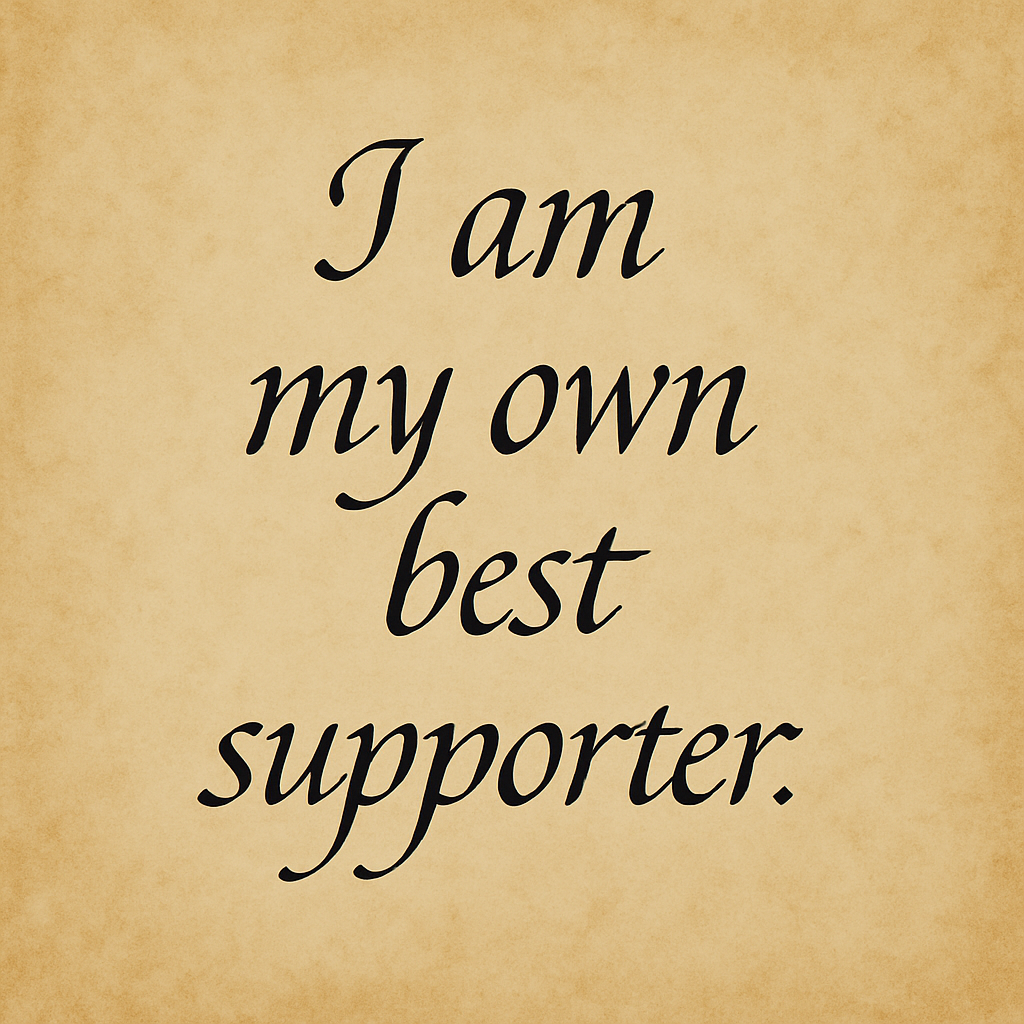
When you write sentences with lines, you are also organizing the rhythm of your relationship with your body. This lesson recommends writing a short phrase about "distinction and trust" using the free structure of modern calligraphy.
Practice sentences:
“"I can distinguish between worries and facts, and learn to gradually trust the signals from my body."”
I can tell worry from facts and learn to trust my body's signals.
When writing, allow for variations in letter spacing and line thickness, symbolizing your search for a new balance and rhythm within the fluctuations of reality. After each completion, spend a few seconds observing the overall shape of the line, rather than focusing on "badly written parts," allowing appreciation to replace criticism.
○ The difference between health anxiety and somatic symptom disorder: Guidance suggestions for art and image therapy
This page uses simple visual exercises to help you separate the "content of your worries" from "what your body is actually experiencing." The focus isn't on how well you draw, but on seeing how these two types of experiences intertwine: one is the persistent worry about a serious illness, and the other is being driven by recurring physical discomfort. Drawing and visualizing are merely tools for processing information and do not replace medical diagnosis or professional evaluation.
I. Two-Column Comparison: Focus of Concern vs. Physical Facts
- Draw two columns on a piece of paper: write "What I'm worried about" in the left column and "What has actually happened to my body" in the right column. In the left column, record thoughts such as "Is it cancer?" or "Will I suddenly collapse?" In the right column, record specific phenomena such as "My heart rate has increased for 5 minutes" or "I have a dull stomach pain that appears 2 hours after a meal."
- Label the source of each piece of content: is it from doctor's examination results, online information, statements from relatives and friends, or past experiences? Use different symbols to help you see which concerns are amplified by the information.
- Once finished, take a few seconds to quietly observe this "comparison table," noting which items still lack evidence and which are supported by objective data. You don't need to change them immediately; simply acknowledge that the differences have been observed.
II. Body and Mind Cycle Mini-Map
- Write "Body Feelings" in the center of the paper, and then draw several circles around it in sequence: "Worries and Thoughts", "Research/Verification", "Emotional Changes", and "Behaviors (Repeated Checking or Complete Avoidance)". Connect them with arrows.
- Write down your most frequent path next to the arrow, for example: "Fast heartbeat → Thinking of serious heart disease → Immediately search → Seeing extreme cases → Increased fear → Monitoring heart rate again."
- Choose an arrow that you are willing to try to change, and write down some feasible actions next to it, such as "Take ten slow breaths first", "Contact a regular doctor first instead of searching on a different platform", "Note the intensity and duration before making a judgment", etc.
Note: If you experience acute red flag signs (such as sudden, severe chest pain, weakness in one side of the body, slurred speech, persistent high fever, black stools or unexplained bleeding, significant difficulty breathing, etc.), please seek medical attention immediately. This page is more suitable for assisting you in communicating with doctors and mental health professionals about long-term problems and patterns after emergency risks have been ruled out.
Please log in before submitting your drawings and feelings.
○ 1446. The difference between health anxiety and somatic symptom disorder: journaling guidance suggestions
① Reflect on your most recent health concern: Write down the first physical sensation you noticed at the time, and your first thought that followed. Try to record it in your original words.
② In the same record, write in two lines: "What I suspect is..." and "What I do know is..." to help you distinguish between what you are worried about and the existing factual evidence.
③ Observe your behavior that day: Are you more inclined to frequently seek verification, search, and ask people, or are you disrupted by persistent physical discomfort? Try to describe in a few sentences "What impact did this have on my day?"
④ Finally, write a milder conclusion to this situation, such as: "I am still worried, but I have seen more of the facts and am practicing handling things more systematically." Allow yourself to move forward with imperfect peace.
Please log in to use.
You don't need to figure out all the answers overnight. May this lesson be a starting point to help you gradually distinguish between worries and facts, and build a more reliable sense of security for yourself as you understand your body's signals.
 EN
EN  ZH
ZH  ES
ES  FR
FR  JA
JA