

Lesson 147: Fatigue and Recovery Management After Panic
Duration:70 minutes
Topic Introduction:
Post-panic attack fatigue is a real and common phenomenon. The brain goes through a "life-or-death battle of false alarms," and the body releases a large amount of adrenaline in a very short time, then quickly falls into a state of exhaustion.
This lesson will help you understand the mechanisms of physical and mental fatigue after panic attacks and teach you how to help your body recover safely and avoid "secondary panic attacks".
Why do we feel extremely tired after experiencing panic?
- Nervous system rebound:After the peak of adrenaline, the body enters a "decline phase" and automatically enters a low-energy protection mode.
- Muscles are tense for a long time:During periods of panic, neck and shoulder stiffness and chest contraction often occur, leaving muscles feeling sore and weak afterward.
- The brain's "threat surveillance" is overworking:The cortex needs additional time to return from a high alert level to a stable state.
Lesson 147: Post-panic Fatigue and Recovery Management (Click to listen to the reading and view the content)
Many people, after a panic attack subsides, mistakenly believe the danger is over and their bodies should immediately return to normal. When fatigue, weakness, emptiness, or low mood follow, they develop new worries, wondering if "something bigger has happened." In fact, post-panic fatigue is not abnormal, but a natural recovery after high activation. A panic attack is equivalent to the body undergoing a short period of high-intensity emergency mobilization; adrenaline, heart rate, respiration, and muscle tension are rapidly increased. When these systems return to baseline, there is a noticeable feeling of energy depletion. The problem is not fatigue itself, but how you interpret and manage this phase. Many people try to immediately remedy the situation by forcing themselves to perk up, excessive rest, or repeatedly monitoring their bodies to confirm "full recovery." These behaviors actually prolong the recovery period. Truly effective recovery management is acknowledging that the body is undergoing post-pandemic cleanup, rather than demanding it immediately return to a high-efficiency state. What you need is rhythm, not judgment. Rhythm means eating normally, sleeping normally, and engaging in gentle activity, not lying down completely or forcing yourself to behave normally. Fatigue is not regression; it is simply the nervous system reallocating resources. You can focus on "What can I gently accomplish today?" rather than "When will I be completely healed?" When you allow recovery to happen at its own pace, your body will gradually rebuild trust, and fatigue will naturally dissipate. True recovery after a panic attack is not about proving you're okay, but about learning to treat yourself kindly even during periods of weakness, letting your system know that you are safe even when you're not at your peak.
▲ AI Interaction: In which parts of your body are you most likely to "collapse" after a panic attack?
Tell me your most obvious fatigue points: chest, stomach, shoulders, head, or is your whole body feeling "sluggish"?
I will help you determine whether it is muscle exhaustion, nerve fatigue, or relaxation after psychological tension.
You haven't become weaker; you're just going through a natural recovery cycle.
We can work together to find the best recovery method for you.
Fatigue following panic is often accompanied by an unstable heart rate. A gentle, slow rhythm can help the body re-establish a "safe pace".
Focus your attention on the melody, and let the rhythm guide your breathing.
○ Eastern Healing Tea - Red Date and Longan Warm Tea
Recommended reasons:After a period of panic, the body feels cold and energy is depleted. Warm tea can help stabilize blood flow and restore inner peace.
practice:Soak 2 red dates and 2-3 longans in hot water for 5 minutes.
○ Stable Diet and Nourishment - Sweet Wine and Mint Cold Drink (ID147)
During the recovery phase after a shock, the body is often more sensitive to stimulation and stress, requiring a gentle, nourishing replenishment without overstimulation. Amazake provides stable and easily absorbed energy, while the refreshing aroma of mint helps alleviate the heaviness and fatigue commonly experienced during recovery. This chilled drink is suitable for when you are mentally exhausted or in warm weather; it's not meant to be energizing, but rather to help the body slowly return to balance with gentle support.
Replenish energy
Relieve fatigue
Open Recipe
◉ Japanese Dietary Therapy: Amazake Mint Cold Drink (ID 26)
In Japan, amazake is known as "drinking drip" because it's rich in glucose, amino acids, and B vitamins. This drink is made by chilling the warm and nourishing amazake and adding refreshing mint leaves. The natural, mellow sweetness of the amazake instantly replenishes the energy the brain desperately needs, while the coolness of the mint acts like a gentle breeze, dispelling the heat accumulated from tension and fatigue. This is an energy drink that gently lifts you from a state of tension.
Gentle and cool Soothe nerves Improve tightness
I. Recommended Dietary Therapy and Reasons
Recommended dishes:Amazake Mint Cold Drink (ID 26)
Recommended reasons:Anxiety and stress deplete the brain's energy, leading to lethargy yet tense nerves that cannot relax. The natural glucose in amazon (sweet rice wine) is quickly absorbed by the brain, providing a sense of security; simultaneously, its GABA (gamma-aminobutyric acid) content has a significant anti-anxiety effect. Combined with the calming and cooling effect of menthol, this drink regulates the autonomic nervous system, allowing the tense body to relax naturally.
2. Recipe and Method
Recipe (1 serving):
- Amazake (rice koji amazake or rice koji amazake) 150ml
- A small handful of fresh mint leaves (about 5–6 leaves)
- Ice cubes as needed
- A dash of lemon juice (optional, to balance the sweetness).
- Add soda water as needed (optional, if you prefer a bubbly texture).
- Add a very small amount of ginger paste (you can add more if you have a cold stomach).
practice:
- Choose amazake:Commercially available amazon (sweet sake) mainly comes in two types. "Rice koji amazon" is alcohol-free, naturally sweet, and has the highest nutritional value, making it the most recommended. "Sake lees amazon" contains trace amounts of alcohol and added sugar, resulting in a richer flavor. Please choose according to your personal preference.
- Processing mint:Wash the mint leaves, pat them firmly in your palm to release their aroma, then place them at the bottom of a glass and gently stir with a spoon to release the essential oils.
- mix:Add ice to a glass and pour in chilled amazon.
- Seasoning:Adding a few drops of lemon juice can neutralize the strong sweetness of the amazake, making it more refreshing.
- Dilution (optional):If you find the amazake too thick, you can dilute it with a little baking soda or cold water.
- decorate:Garnish with a whole mint leaf on top.
3. Small rituals for body and mind
Watching the milky white amazon and the emerald green mint blend together in the glass, this gentle color combination itself has a calming effect.
As you crush the mint leaves, inhale the burst of cool aroma, take a deep breath, and tell yourself, "Coolness is replacing the heat."“
Swallow the first bite slowly, savoring how the simple aroma and sweetness of rice warm your stomach, while the coolness of mint refreshes your mind.
4. Dietary Therapy Experience Record
- Record whether the body's fatigue was quickly relieved after drinking it.
- Observe whether drinking it in the afternoon when you are mentally tense will make you feel that your shoulders and brows naturally relax.
- Pay attention to how your stomach feels; amazake is rich in probiotics, which usually makes your abdomen feel comfortable.
V. Instructional Videos (approximately 3–5 minutes)
◉ Video Title:Amazake Mint Iced Drink: A Gentle and Relaxing Drink
6. Precautions
- Differences between types:If you are allergic to alcohol or are driving, please be sure to select [the appropriate option].“Koji Amazake”(The alcohol content is usually labeled as 0.1 TP3T on the packaging). Sake lees sweet sake contains trace amounts of alcohol (approximately 1.1 TP3T or less).
- Sugar control:Although it contains natural sugars, amazake is not low in calories. It is recommended to drink only 100-150ml at a time and not drink it like water.
- Temperature recommendation:Besides cold drinks, warm amazake with mint is also a great bedtime calming drink.
hint:This dietary therapy utilizes the nutrients from fermented foods to nourish the nerves, making it suitable for anxiety caused by overwork.
○ Humanist Script of the Italian Renaissance - Lesson 147 Writing Exercises
Today's healing phrase:
stable and auspicious
In-depth analysis:
Fatigue following a panic attack is often misinterpreted as a "deterioration in condition," while ignoring the fact that it is an integral part of recovery.
The stable proportions and quiet rhythm of Humanist Script help you maintain a sense of order even during low-energy periods.
stable and auspicious Just so you know, stability itself is a good sign, and recovery doesn't need to be proven urgently.
Writing Skills (Advanced Version):
- The characters are well-formed:We don't pursue speed; we emphasize stability.
- Spacing is generous:Leave room for fatigue.
- The brush dips downwards at the end:Shift your focus back to your body.
- Consistent rhythm:Avoid the urge to write quickly or slowly.
- Repeat the entire sentence:Strengthen recovery signals while maintaining stability.
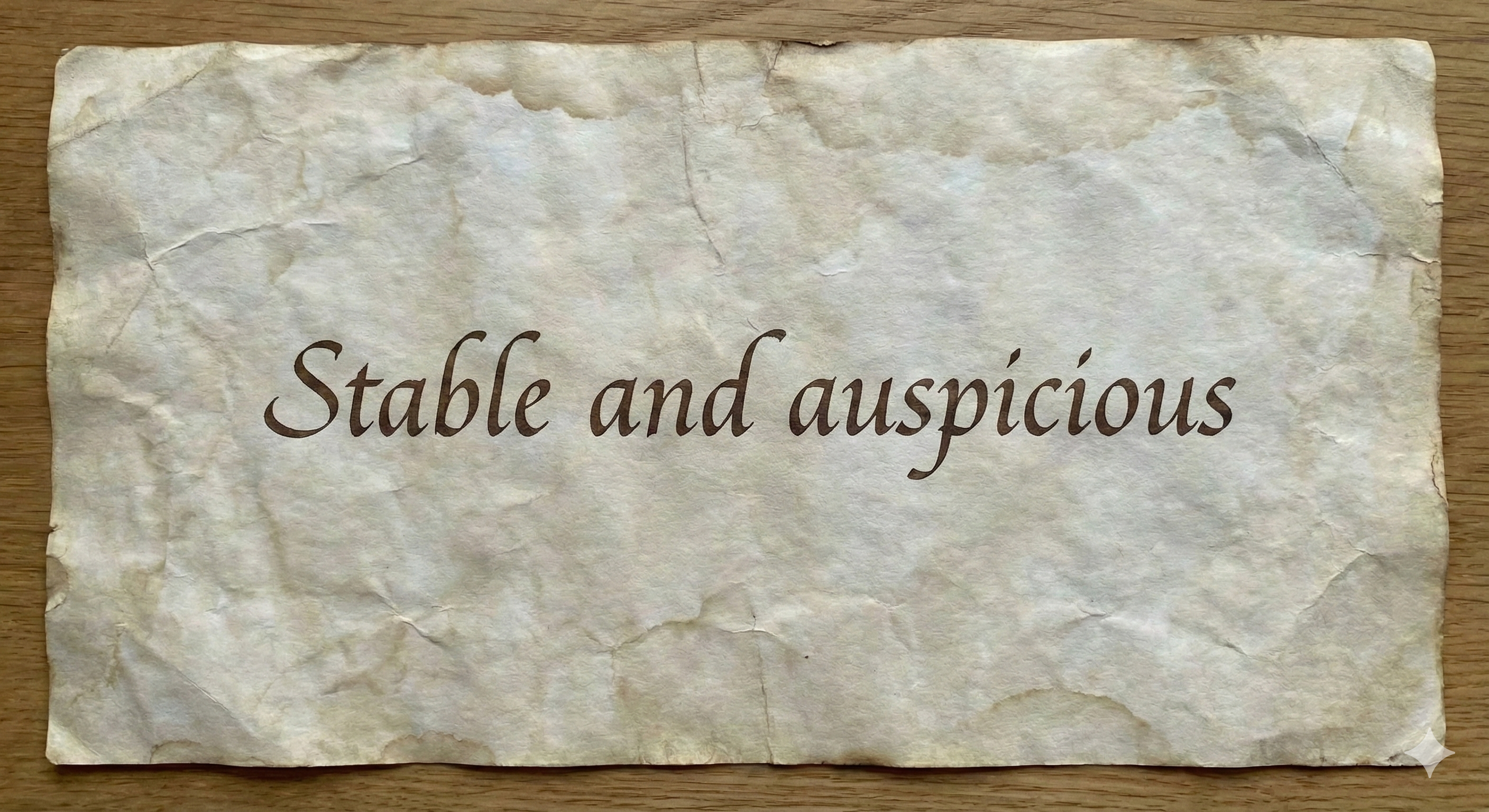
Image Healing: Guided Mandala Viewing - Lesson 147
Please observe a mandala with a slow rhythm and soft colors. It does not emphasize sharp contrasts, but rather overall balance.
Let your gaze rest naturally on the graphic; there's no need to follow a specific path, just allow your eyes to rest.
If you feel sleepy or your concentration drops, continue watching instead of stopping; this is part of recovery.
Mandalas are not about drawing something, but about observing it. When you allow a low-energy state to exist, your body will repair itself more quickly.
The mandala in this lesson focuses on "gentle rhythm and overall stability," symbolizing the recovery phase after the shock.
◉ One gaze is sufficient; no need to repeat.

Lesson 147: Guided Drawing - "Energy Recovery Diagram"“
① Draw a soft circle in the center of the paper to symbolize "core energy".
② Draw outward-spreading lines around the perimeter, then use light-colored arrows to slowly guide them back to the center.
③ Add a small warm color in the very center to symbolize "the power is returning to me".
Please log in before submitting your drawings and feelings.
○ 147. Post-panic fatigue: Journaling guidance suggestions
① Where is the most noticeable point of fatigue today? (Physical or mental)
② Which action helped me recover even a little bit?
③ Do I allow myself to be "slow"? What does it feel like to be allowed to be?
④ Rate your recovery experience today on a scale of 0–10.
Please log in to use.
The fatigue following a shock is not a sign of regression, but a natural recovery period. Fatigue does not indicate weakness, but rather that your body is working hard to heal.
 EN
EN  ZH
ZH  ES
ES  FR
FR  JA
JA