

Lesson 1481: An Overview of Conversion Disorder
Duration:60 minutes
Topic Introduction:This course introduces the basic concept of conversion disorder, exploring its manifestations (such as movement disorders, sensory paralysis, and non-epileptic seizures), and its relationship to emotional repression and subconscious conflicts. Students will gain a preliminary understanding of how physical symptoms may be symbolic expressions of psychological conflicts.
○ Typical features of conversion disorder
- Functional neurological symptoms:Symptoms include paralysis, tremors, difficulty speaking, and sensory loss, but medical examinations show no organic lesions.
- Stress-induced:It often occurs after a major psychological conflict or trauma.
- Symbolic expression mechanism:The body speaks "on behalf of" the mind, which is the subconscious way of resolving conflicts.
- Involuntary:The patient is not "faking illness" but experiencing symptoms unconsciously.
▲ AI Interaction: Moments when my body speaks for me
Conversion disorder is a way of translating psychological stress into physical manifestations. It is not a false emotion, but a specific expression.
Please write down the three most recent times you felt physically unwell, including the times and the emotions that accompanied them.
Write down three ways these symptoms are impacting your life and try to understand them with tenderness.
Try giving these physical experiences a name, such as “the body’s signal lights.”
Conclusion: When you start listening, the channel for healing opens.
Click the button below to explore with AI whether you have ever experienced the moment when "your body speaks your mind" and gradually understand the psychological motivations behind it.
○ Overview of Conversion Disorder · Music Therapy
When stress is unresolved, your body will speak for you. Play a calming melody to realign your mind and body.
Write down a timeline of your most recent physical discomfort: what happened before it occurred, how you felt, and how you took care of yourself after it ended.
Treat symptoms as signals rather than enemies, and say to them: I hear you, let’s find a solution together.
Just one small thing to do today to be kind to your body: a heat compress, a light walk, a relaxation exercise. Music to keep you warm.
Record your energy and mood at this moment, and leave a gentle signpost for tomorrow.
○ Warm milk therapy drink
Recommended drinks:Golden Milk with Chili
Recommended reasons:Turmeric calms the nerves, while cayenne pepper boosts metabolism and sensory arousal, supporting the transition process from a "body freeze" mood. Perfect for morning consumption to boost energy.
usage:Add 1/2 teaspoon of turmeric powder and a little dried chili powder to 200ml of milk, stir over low heat, and add honey to neutralize the spiciness.
Chickpea Curry (Chickpea Masala)
Plant protein, fiber, and minerals work together to boost satiety and maintain stable blood sugar levels, while spices promote a sense of alertness and stimulate appetite. This cost-effective main dish is perfect for vegetarians and those recovering from training.
Healing Recipes
/home2/lzxwhemy/public_html/arttao_org/wp-content/uploads/cookbook/chana-masala.html(Please confirm that chana-masala.html has been uploaded)🎨 Themed Mandala
It is recommended to draw an "emotional outlet" mandala, using contrasting color blocks to express the tension between body and emotions, and explore the symbolic language of "when I can't say it, my body expresses it for me."
Applicable issues:Functional impairment with no obvious organic cause, silent and repressed emotional distress, and disconnection between body and mind.

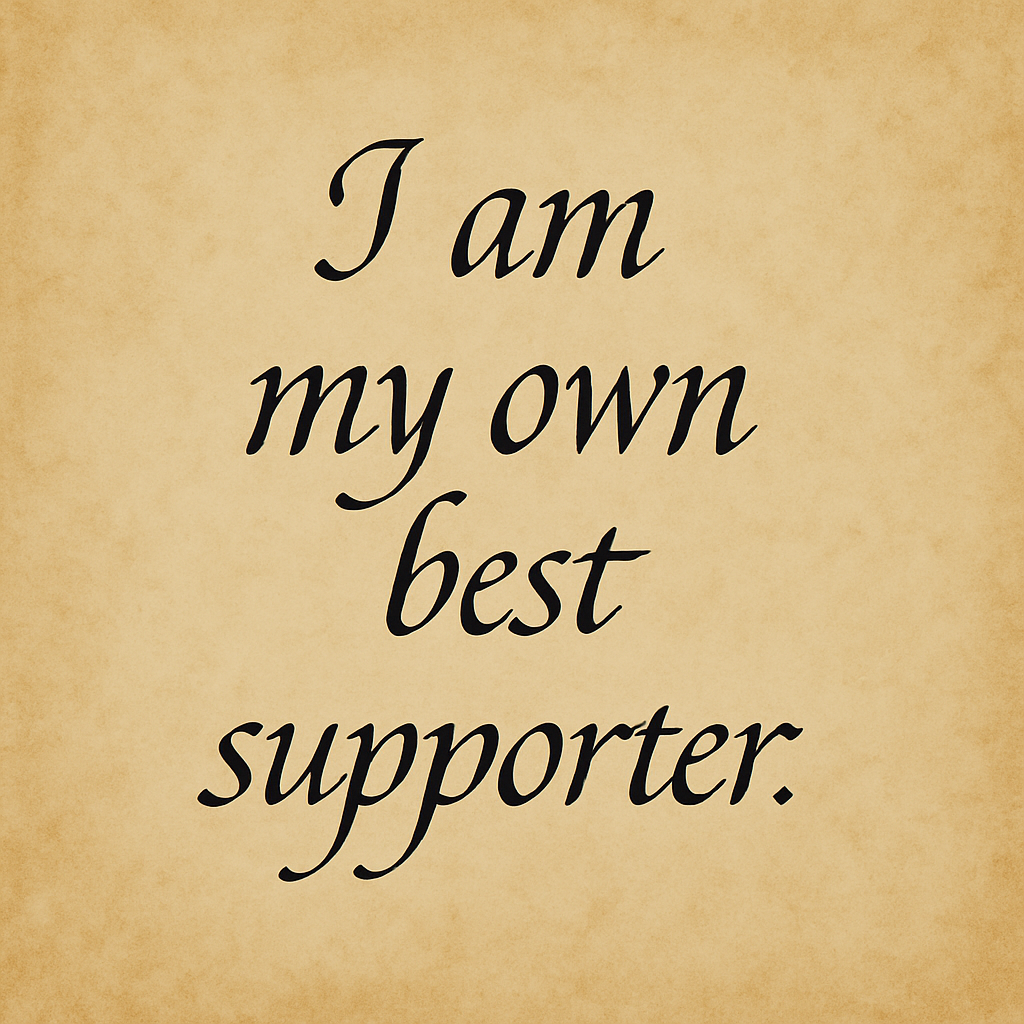
○ Medieval Gothic calligraphy practice
When language is insufficient, calligraphy becomes a way to communicate with the body, providing rhythm, stability, and an outlet for non-verbal expression.
Practice sentences:
“I allowed myself to express my emotions with my body, and I also learned to soothe them with words.”
I allow my body to express emotions, and I'm learning to soothe it with words.
It is recommended to use dark ink and soft lighting, and to be aware of your breathing and body posture while writing as a daily emotional regulation ritual.
○ Overview of conversion disorder: Suggestions for guiding painting therapy
This page uses painting to externalize the process of "body-mind signal conversion". Conversion disorder often manifests asMotor, sensory, or cognitive symptoms without an organic cause, such as limb weakness, aphasia, convulsions, and blindness, often appear after stressful or conflicting situations. Through painting, we can connect physical manifestations with psychological triggers, helping ourselves to face them with more gentleness and understanding.
1. Body Map and Functional Loss Images
- Draw an outline of your body and mark the areas of your symptoms (such as weakness in your hands and feet, blurred vision, or difficulty speaking) with different colors or textures.
- Write three keywords next to the symptom area:Symptom description、Situation、Duration.
- Draw a "magnifying glass" next to the body diagram to symbolize that we use awareness to understand rather than immediately interpret it in a catastrophic way.
2. Trigger Chain and Conversion Bridge
- Draw a three-segment chain:Psychological stress/conflict → Emotions (anxiety, fear, anger) → Physical manifestations(limb weakness, convulsions, etc.).
- Add a "bridge" between the chains: Write feasible transition methods on the bridge, such as taking a deep breath, expressing emotions, and painting to release.
- Draw a safety symbol (green leaf, star) at the other end of the bridge as a reminder that emotions can be transformed in non-symptomatic ways.
3. Support Triangle (Medical-Psychological-Social)
- Draw a triangle and write the three corners as follows:Medical evaluation(Exclude organic causes),Psychological intervention(emotional expression, cognitive adjustment),social support(Family understanding and companionship).
- Write "My Position" inside the triangle: mark the angle of support you currently need most.
- Draw “communication arrows” on the sidelines to symbolize the need for flow and cooperation between different support forces.
Tip: Drawing can help you organize and express the relationship between your body and mind, but it cannot replace medical treatment. If you experience acute symptoms (such as sudden blindness, loss of speech, or seizures), please seek medical attention immediately. Carrying your artwork with you daily can help doctors or psychologists understand your situation.
Please log in before submitting your drawings and feelings.
○ 1481. Overview of Conversion Disorders • Journal-Guided Recommendations
① Conversion disorder is an expression of psychological stress in physical form, which reminds us to pay attention to the mind.
② Write down the time, place, and circumstances of the last three physical symptoms and consider them as “signals.”
③ Record the impact of these symptoms on your life, such as learning efficiency or mood swings.
④ Write down the relief methods you have tried, even if it is as simple as breathing.
⑤ Give these symptoms a gentle name, such as "the body's distress signal."
⑥ Conclusion: When you are willing to listen, your body will slowly return to balance.
Please log in to use.
Your body never betrays you, it just wants you to hear the stories you can't tell.
 EN
EN  ZH
ZH  ES
ES  FR
FR  JA
JA