

Lessons 1441-1480: Traditional Theme Mandalas (Supplementary Lessons)
A traditional themed mandala is a symbolic painting centered around a specific psychological experience, event, or intention. More than just an image, it's a process of self-narration, integration, and reorganization. In psychological painting therapy, it's often used to express deeper meaning, such as traumatic memories, significant relationships, growth goals, and self-vision.
▲ AI Interaction: What is the inner theme you most want to focus on right now?
Click the button below to explore your current subject with AI and get painting suggestions.
2. What is a “Traditional Theme Mandala”?
This is a form of mandala painting with direction, purpose and symbolism, characterized by:
- Focus on a single topic: Such as "sense of security", "family", "boundaries", "love and loss", etc.
- Guided expression: Express your understanding of the subject through shapes, colors, and layer structures
- Individualized structure: Different from traditional symmetry, the layout can be organized according to the internal rhythm
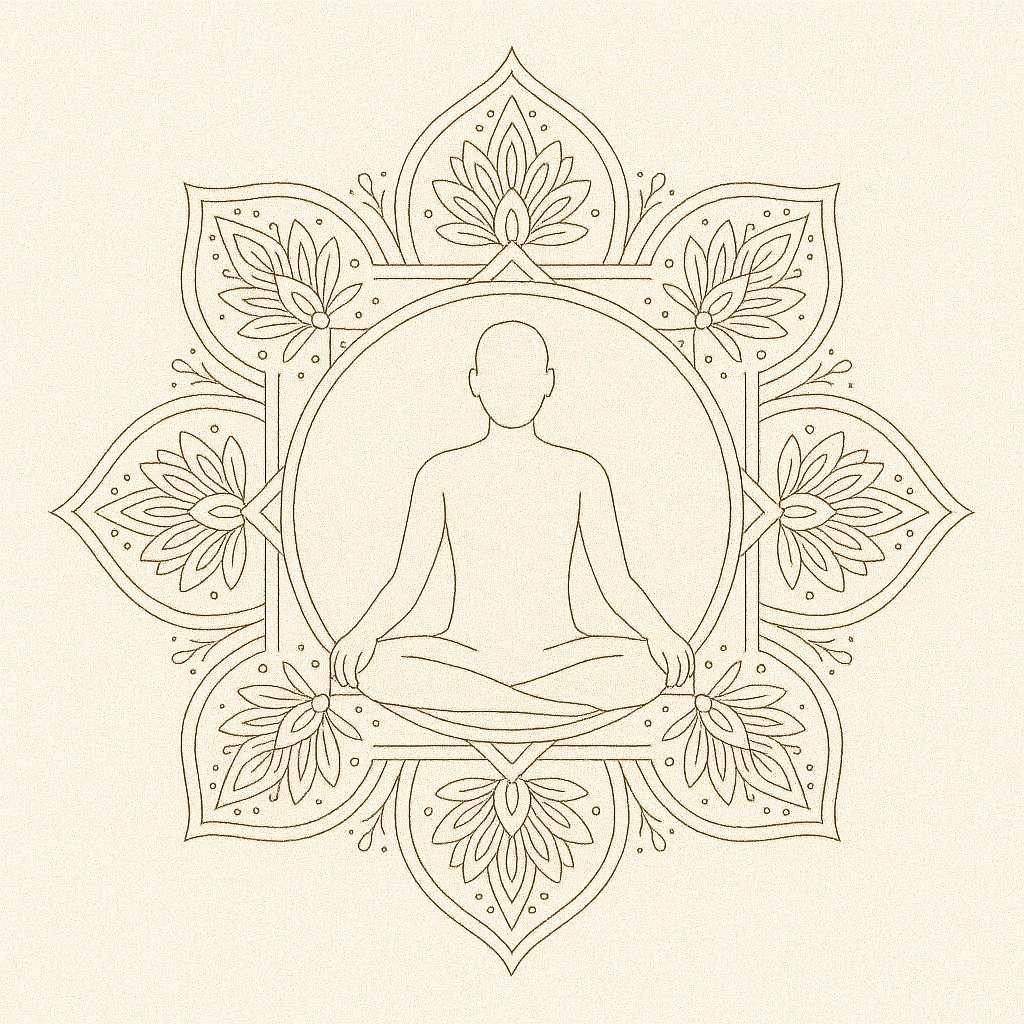
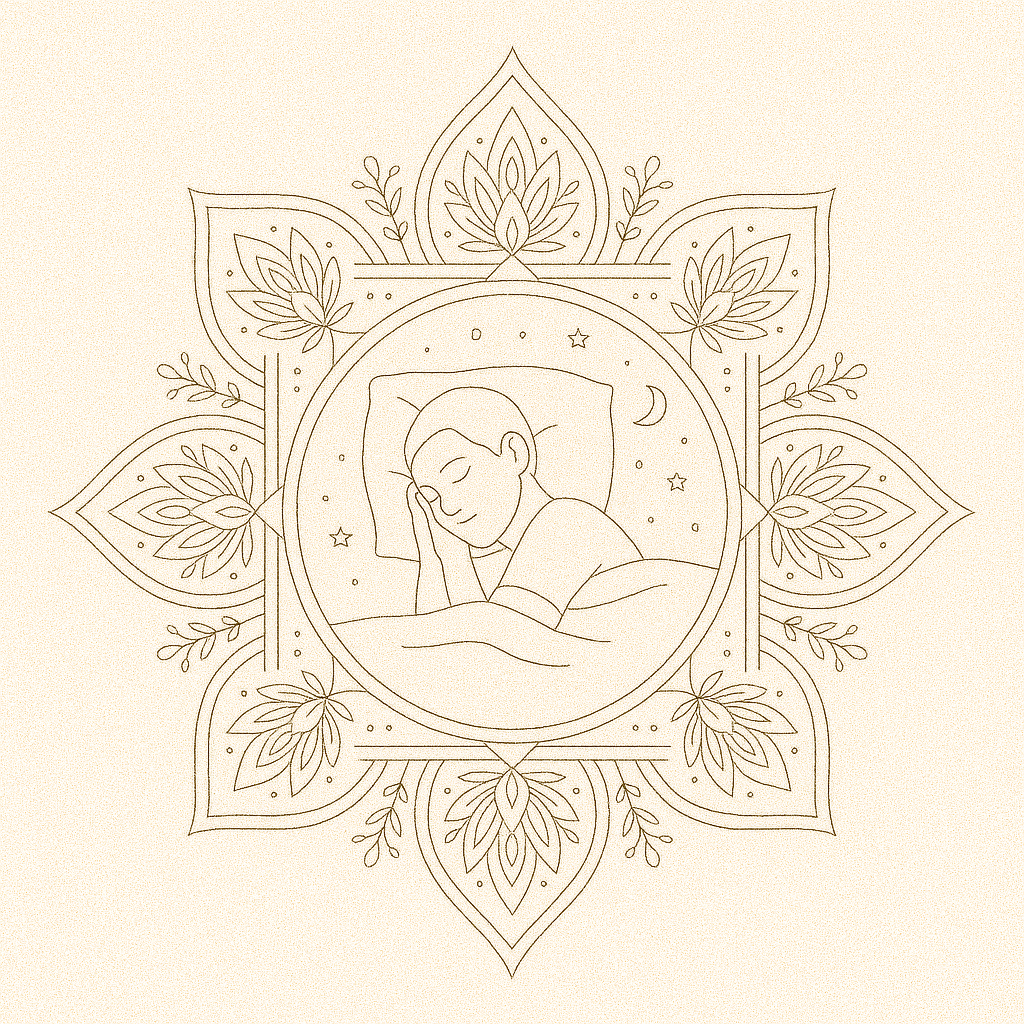
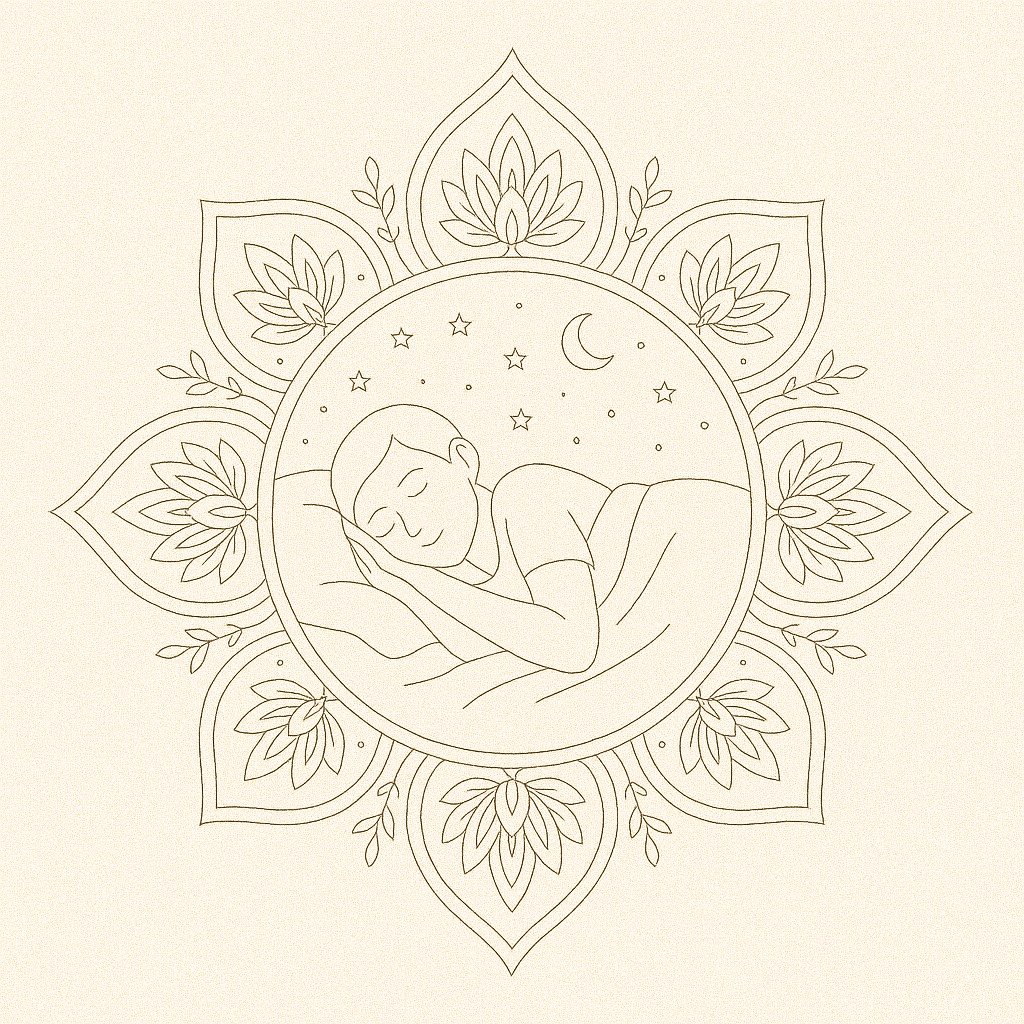
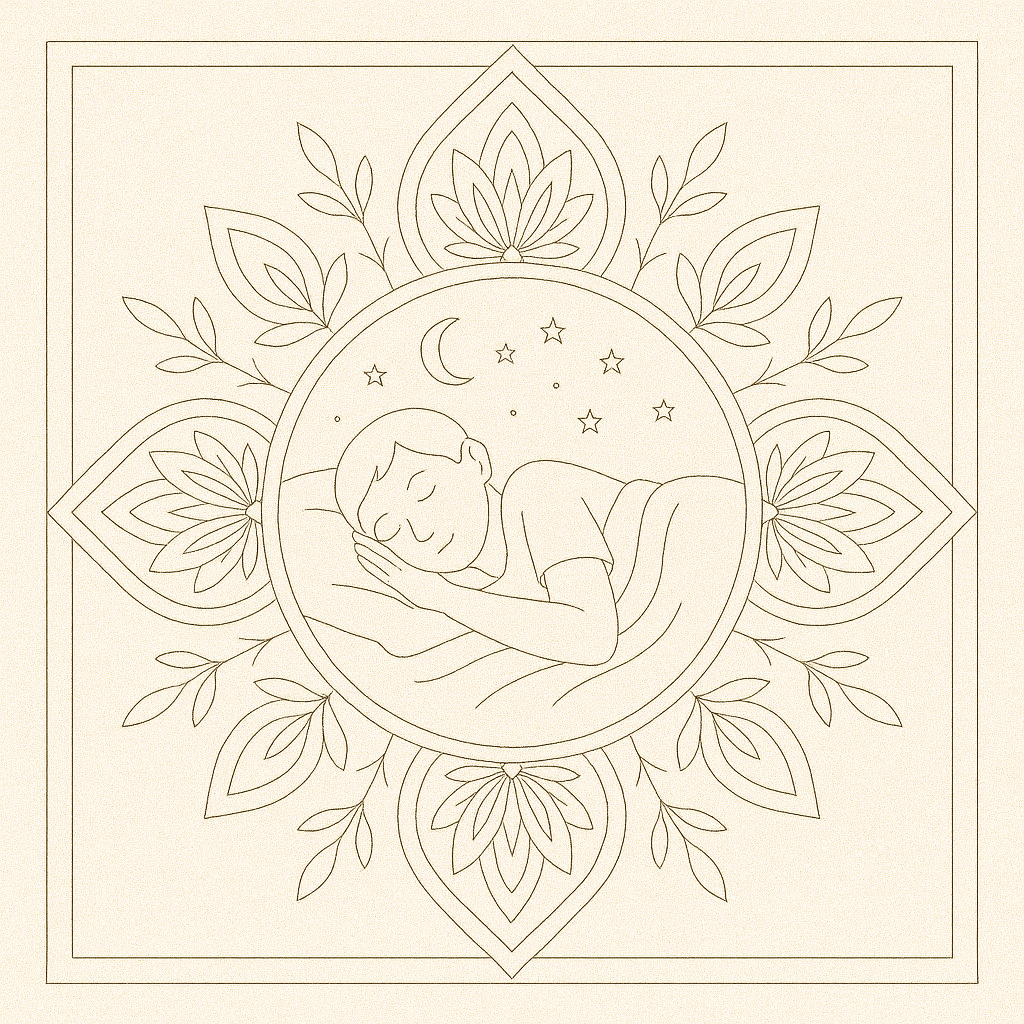
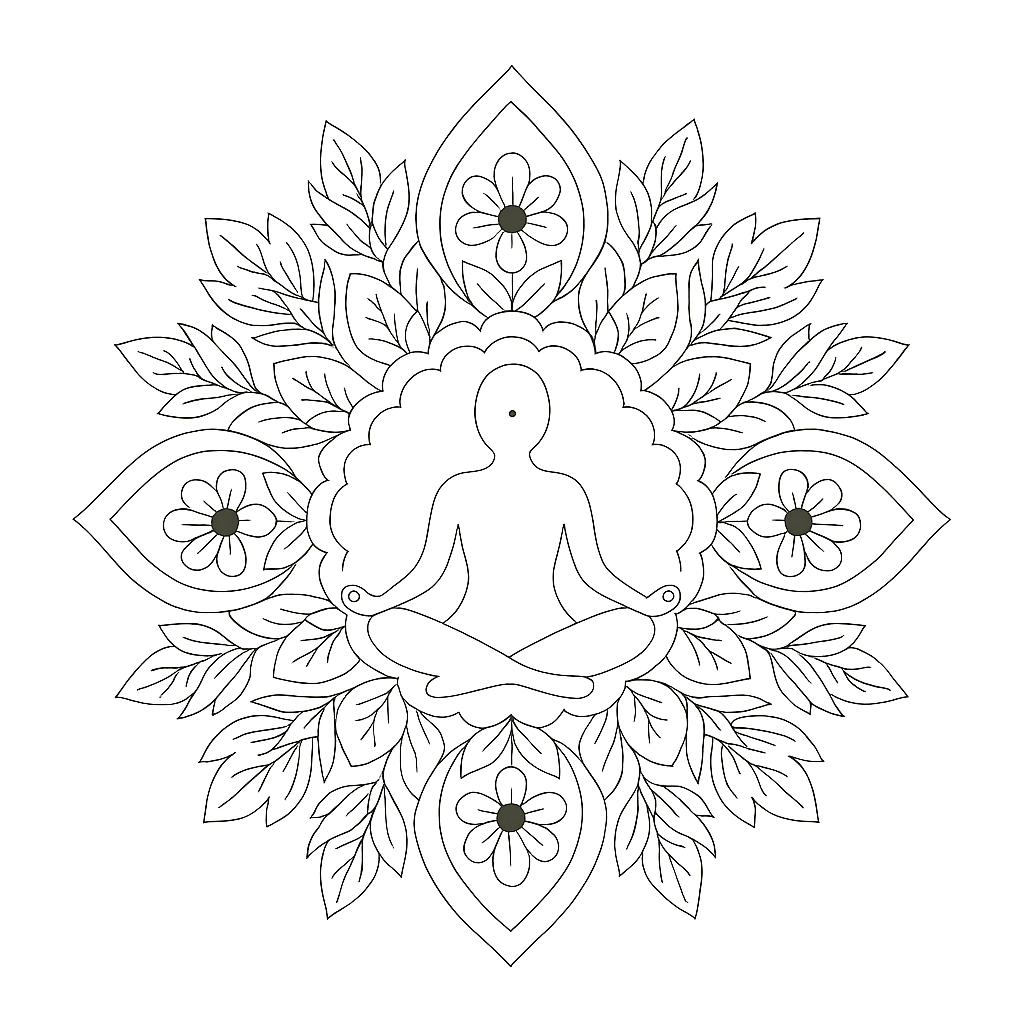
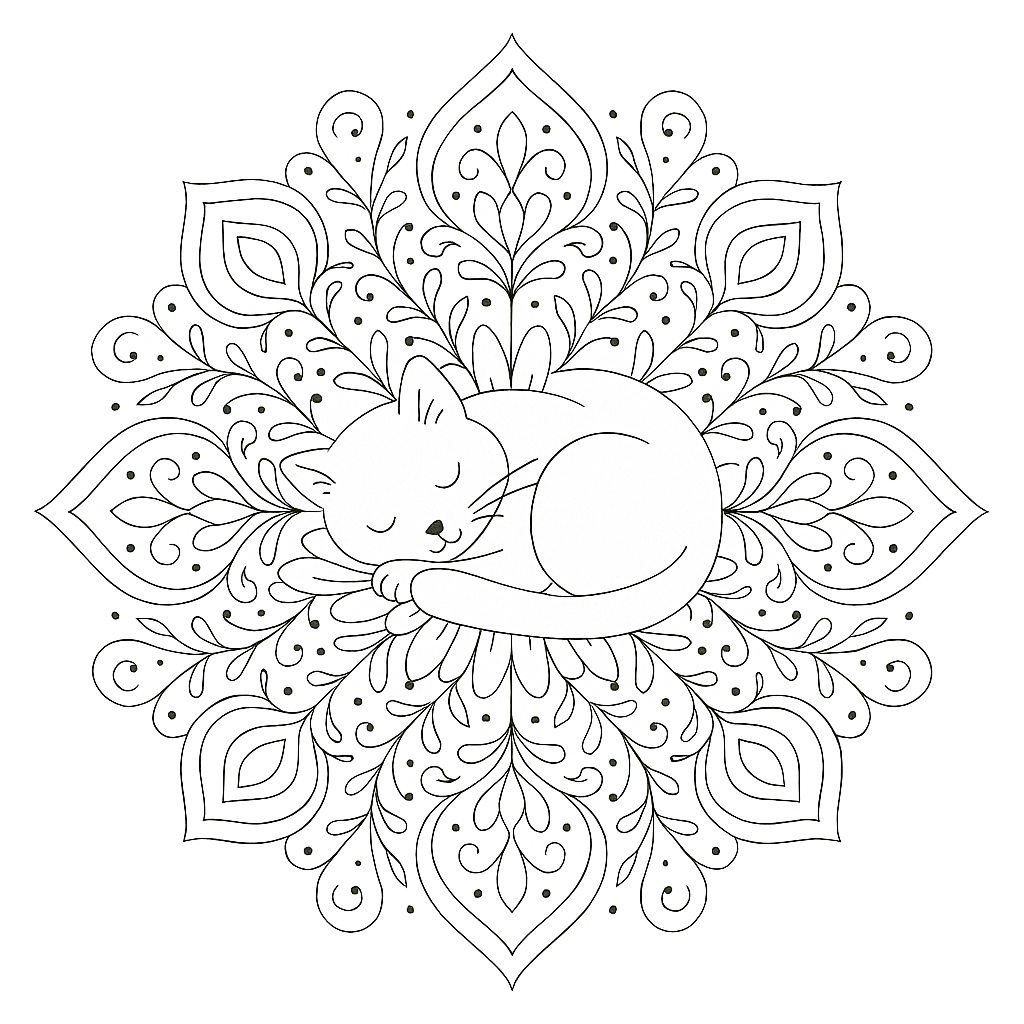
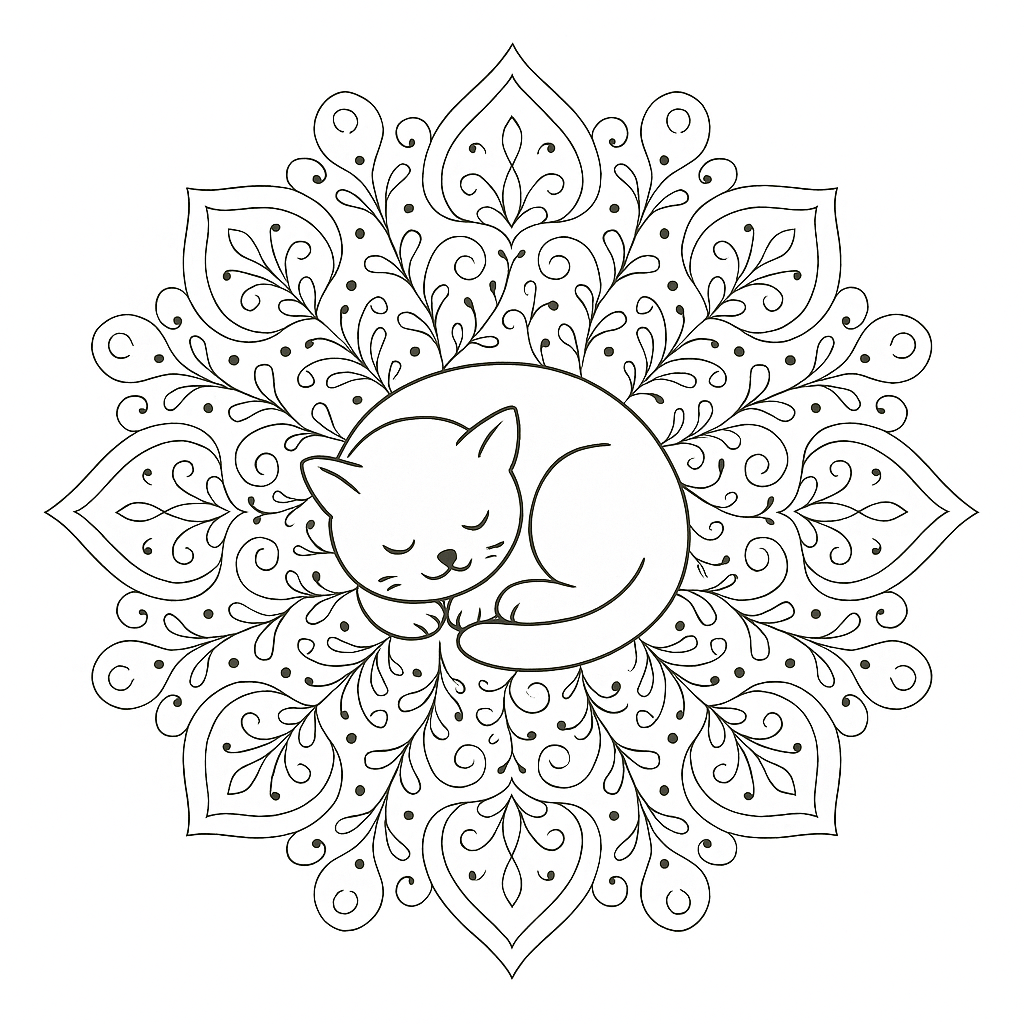
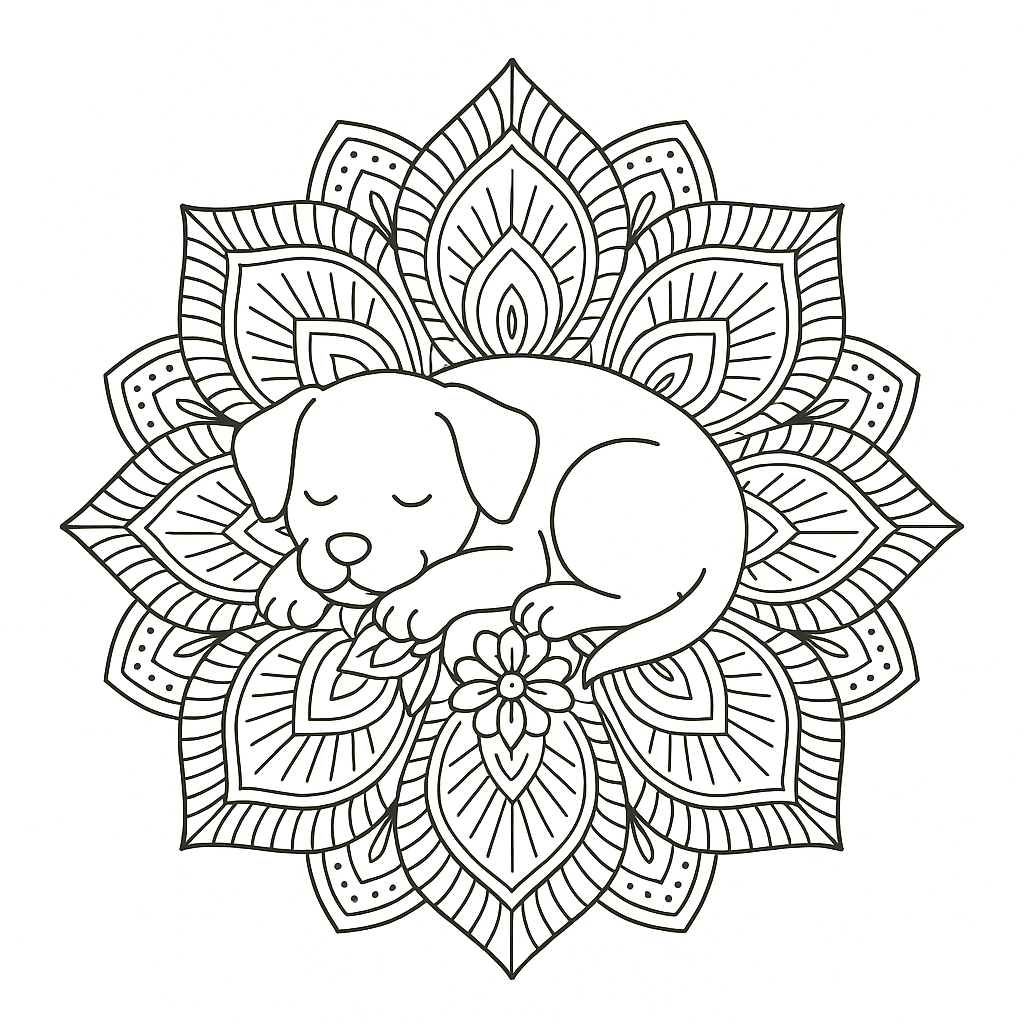
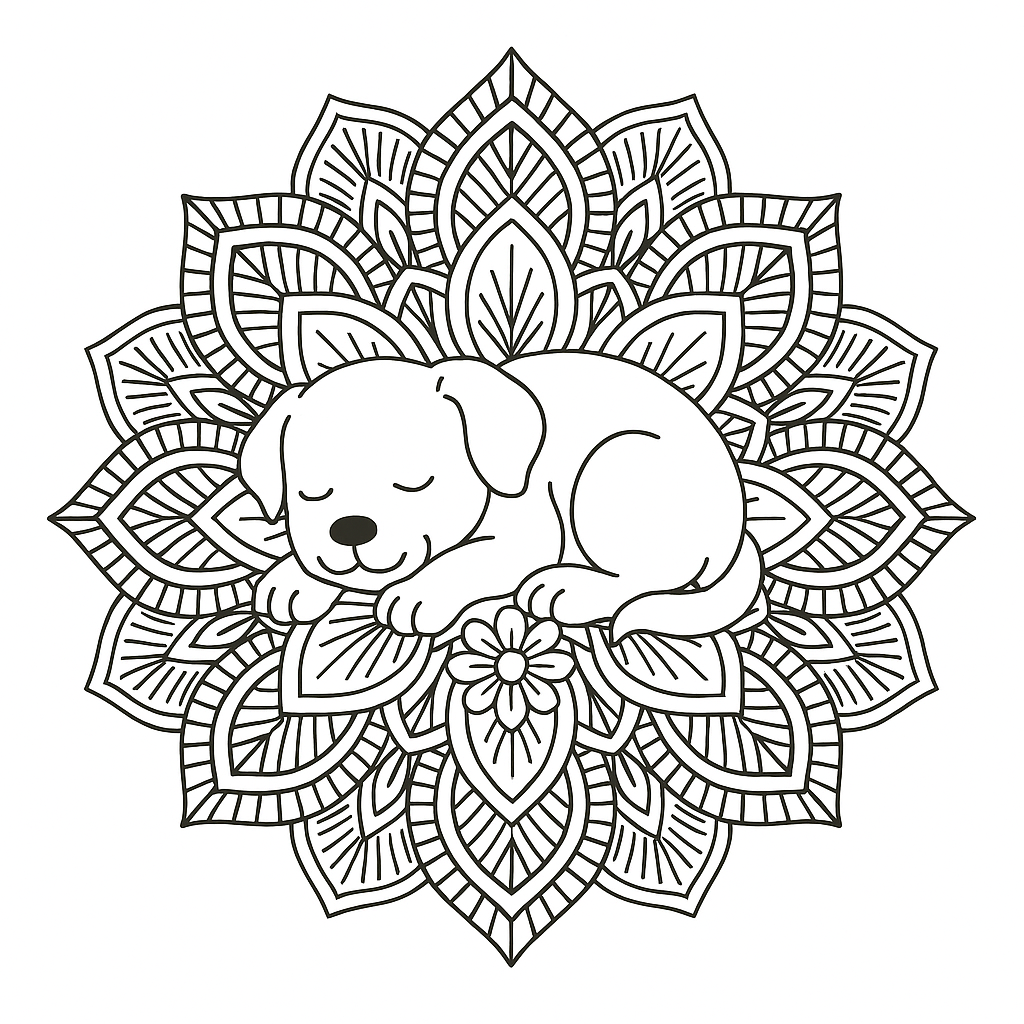
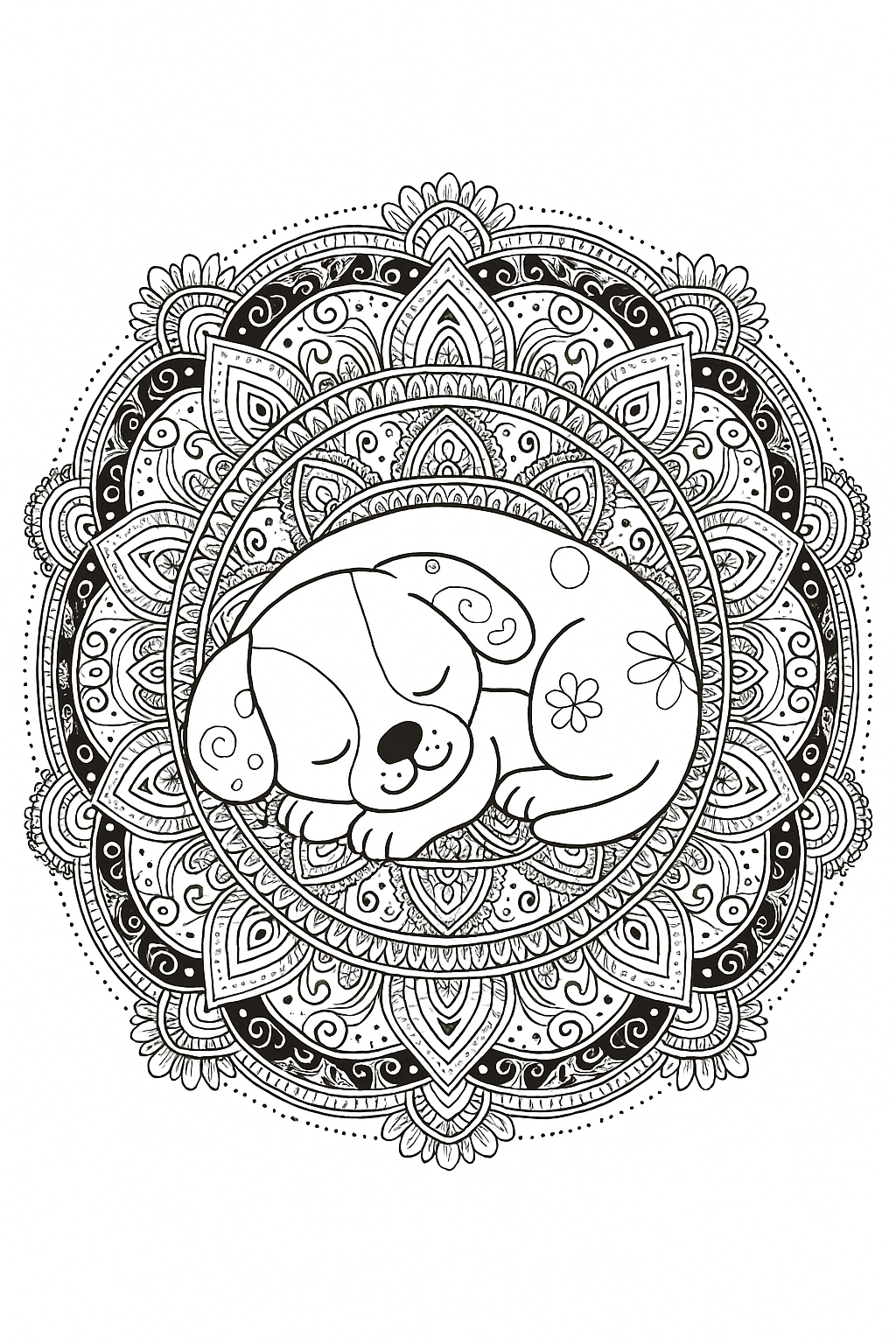
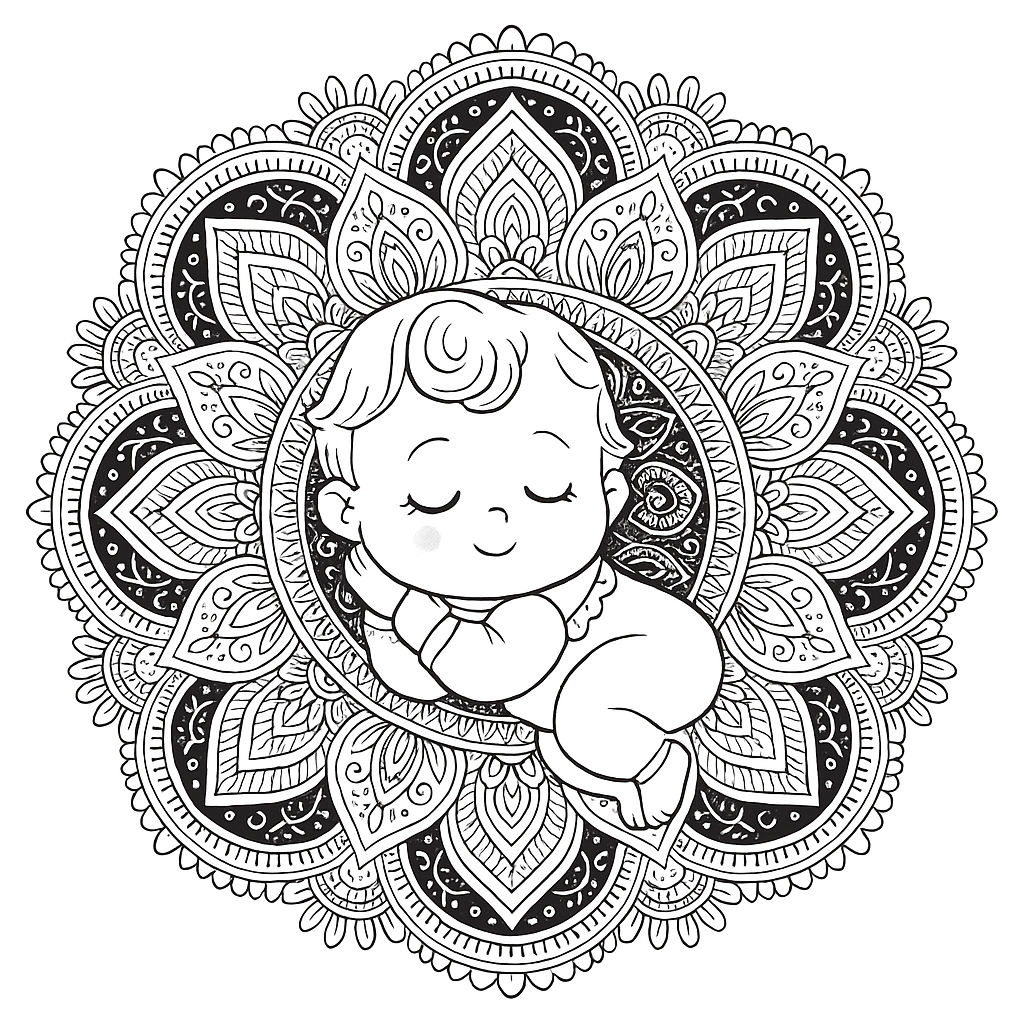
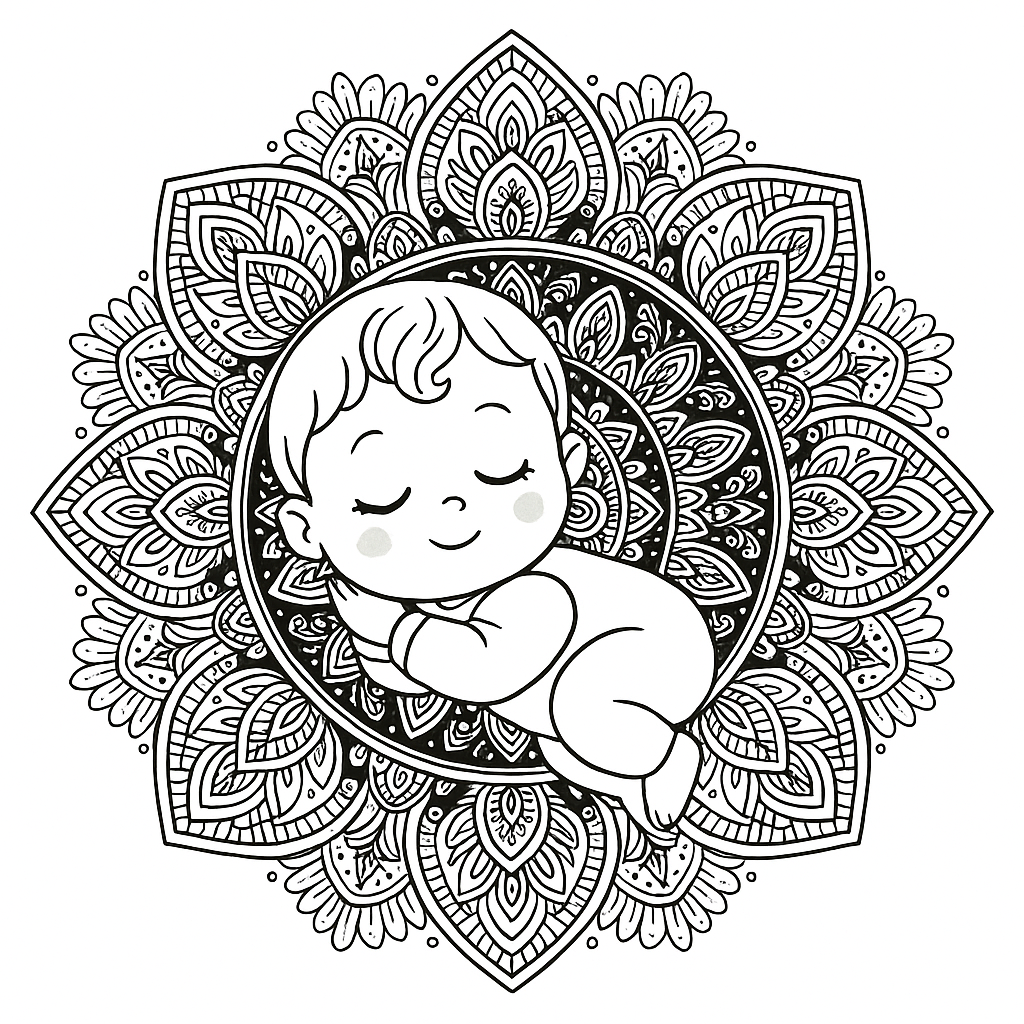
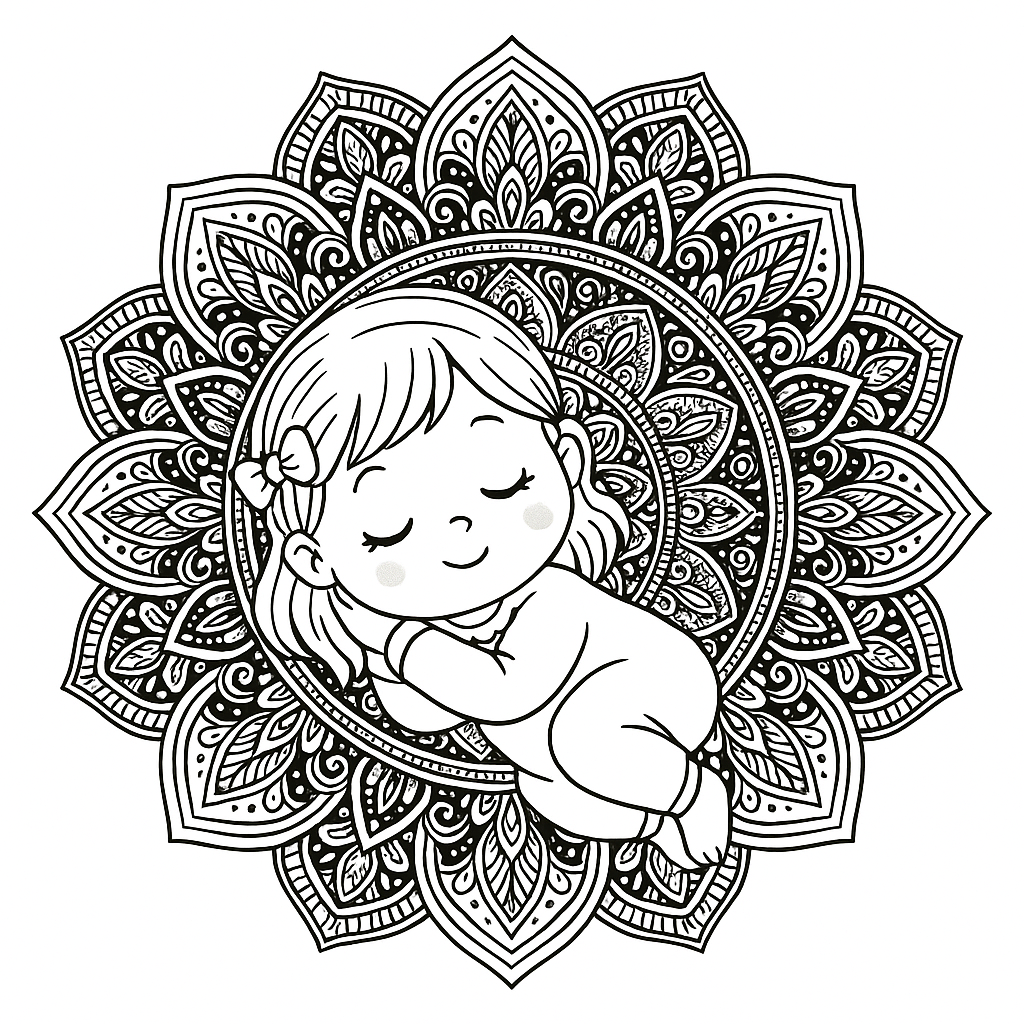
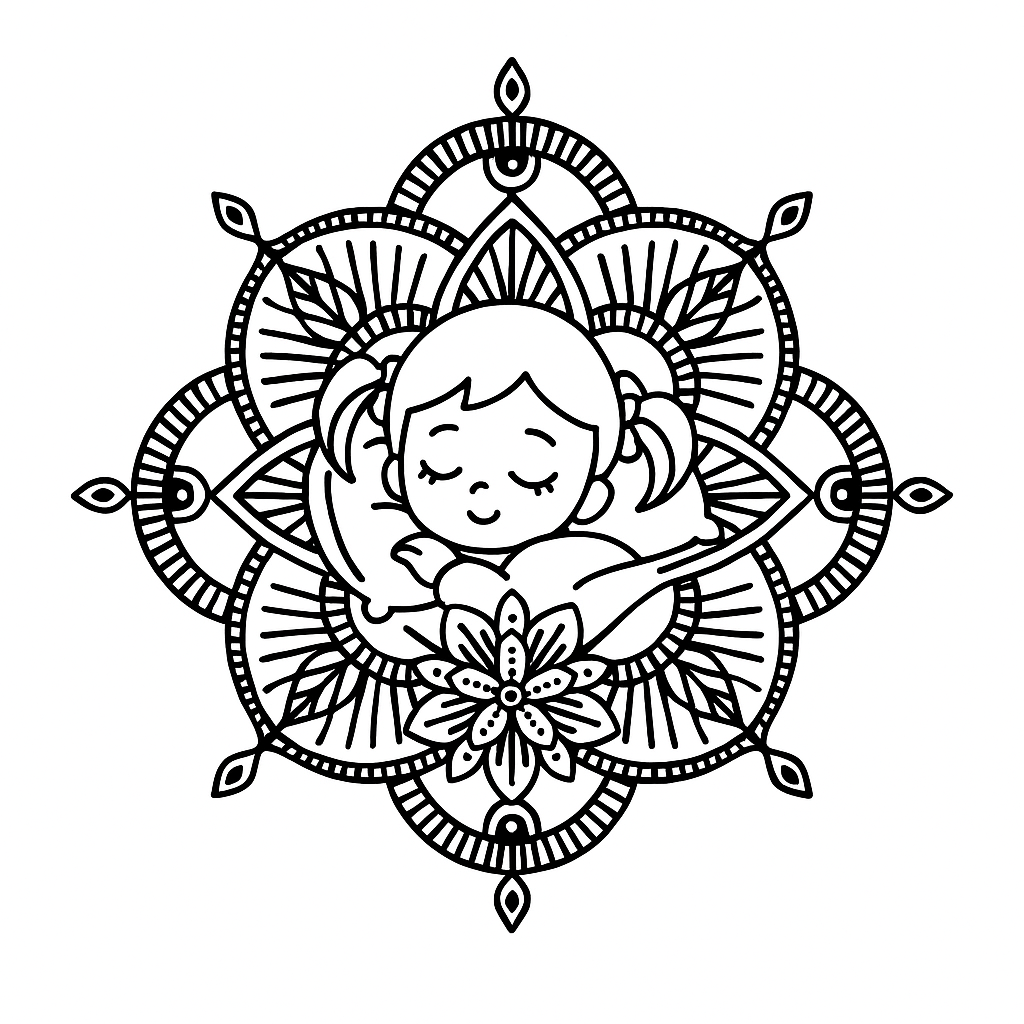
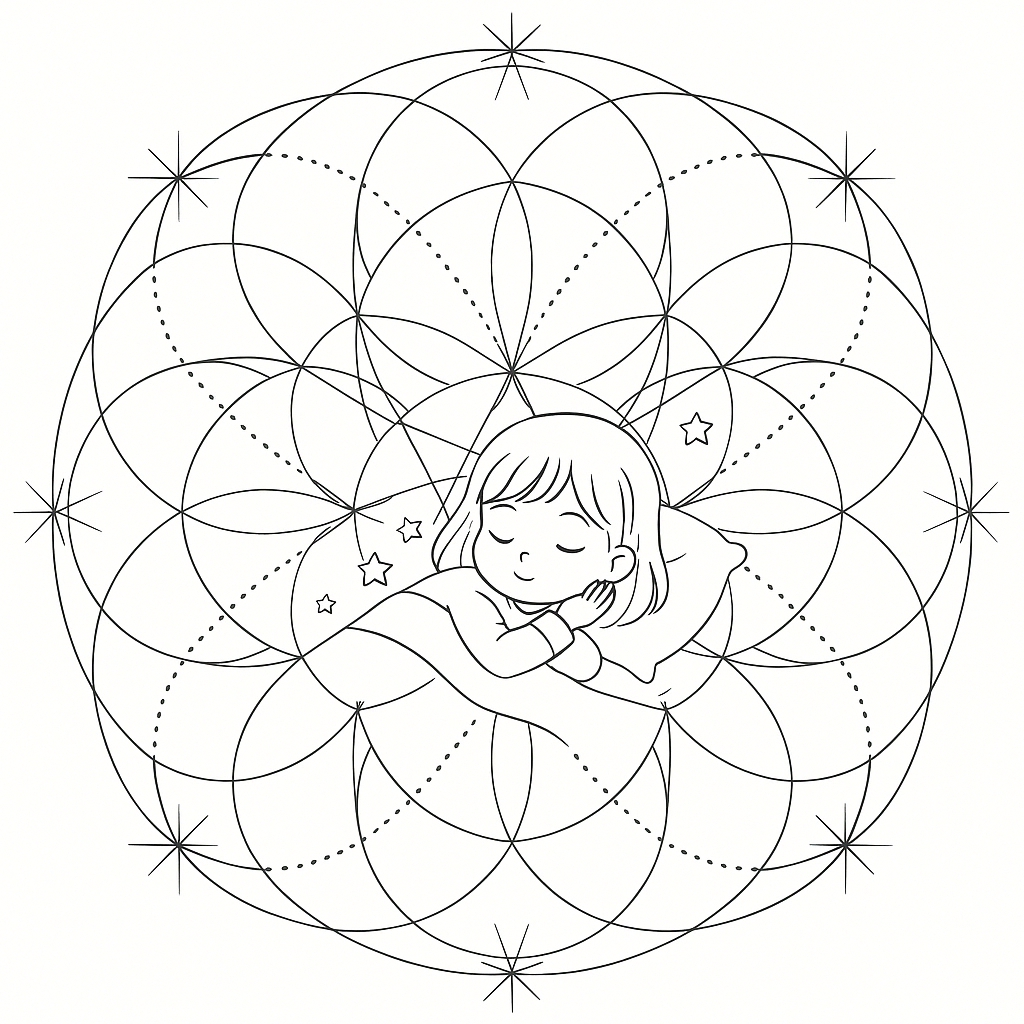
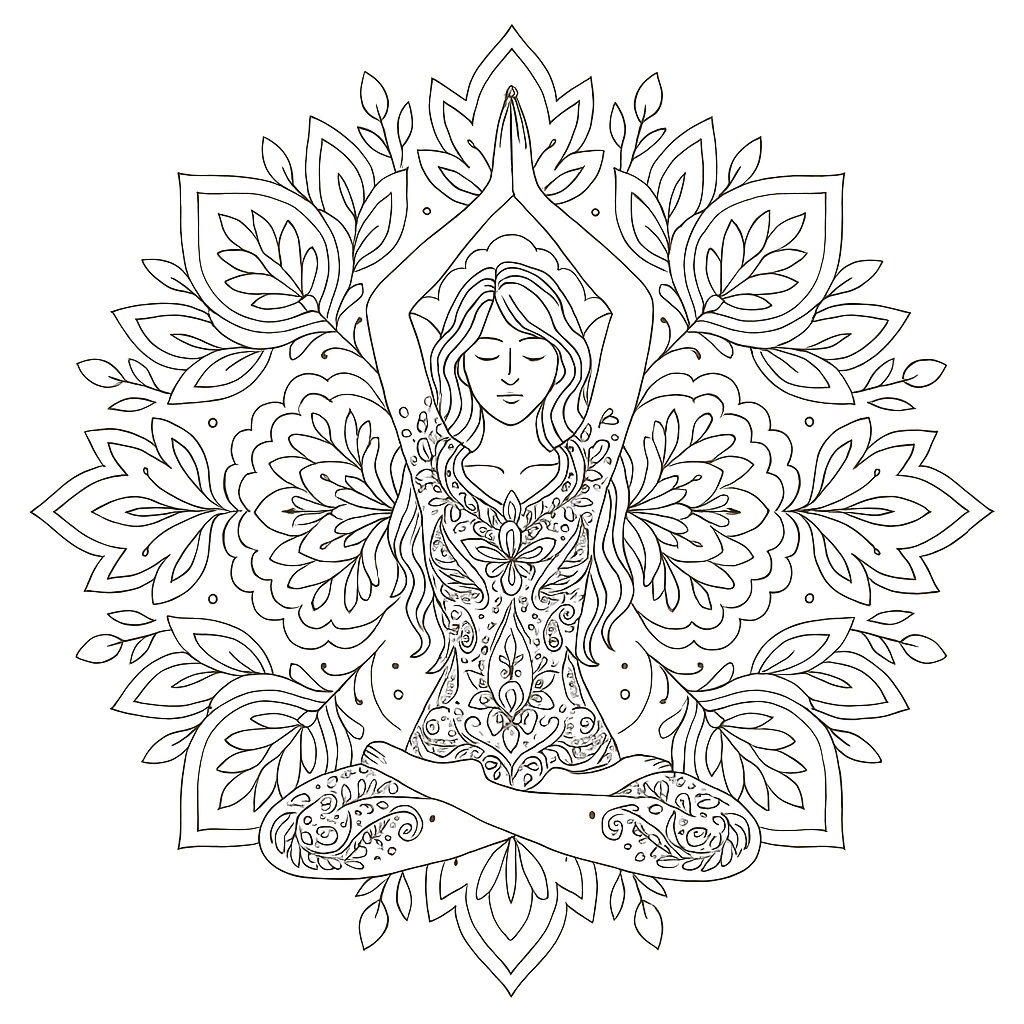
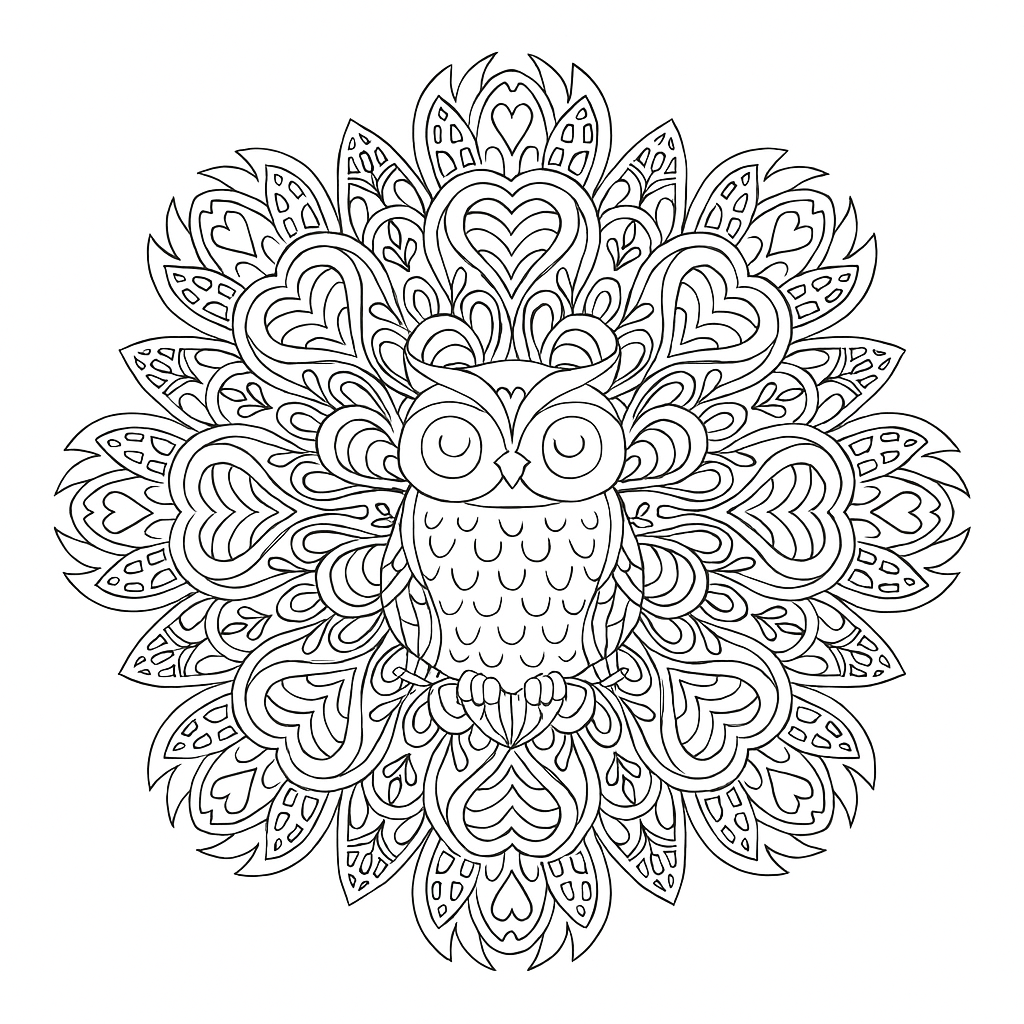

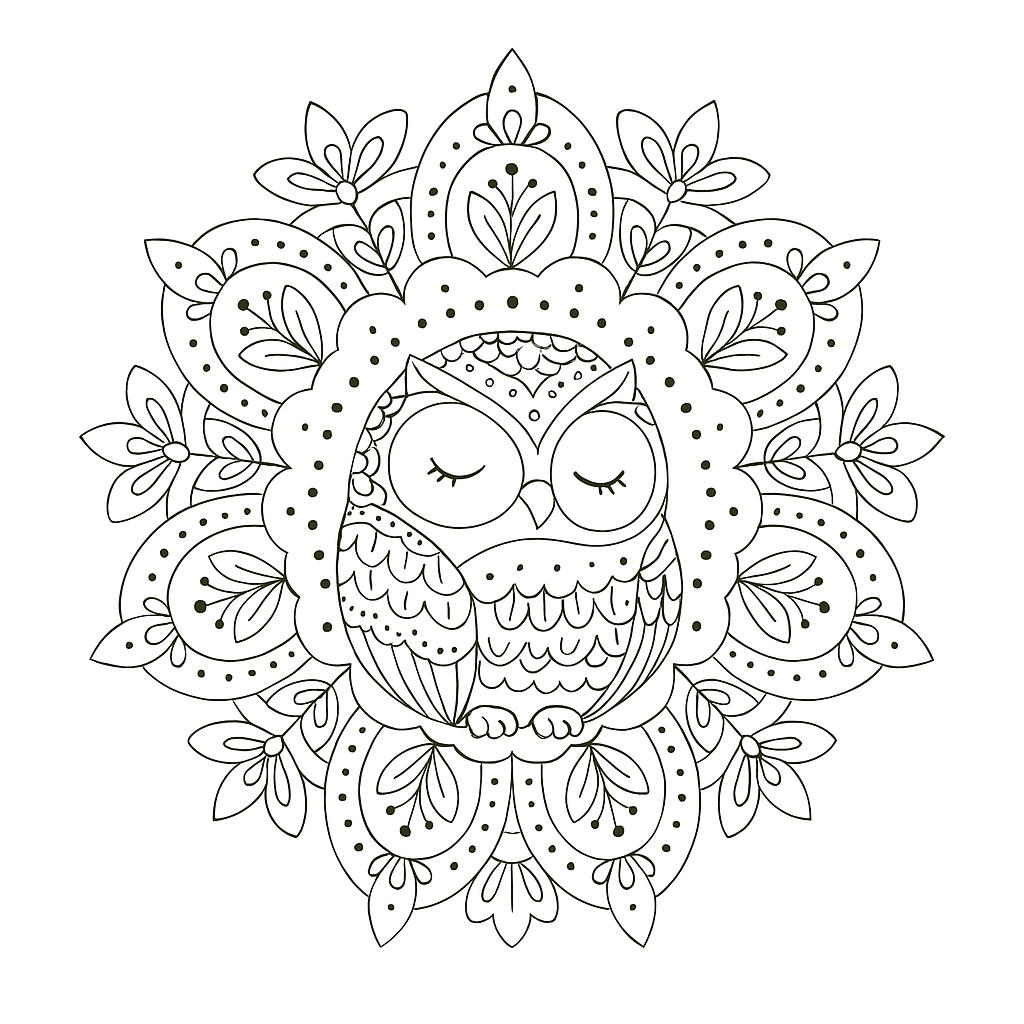
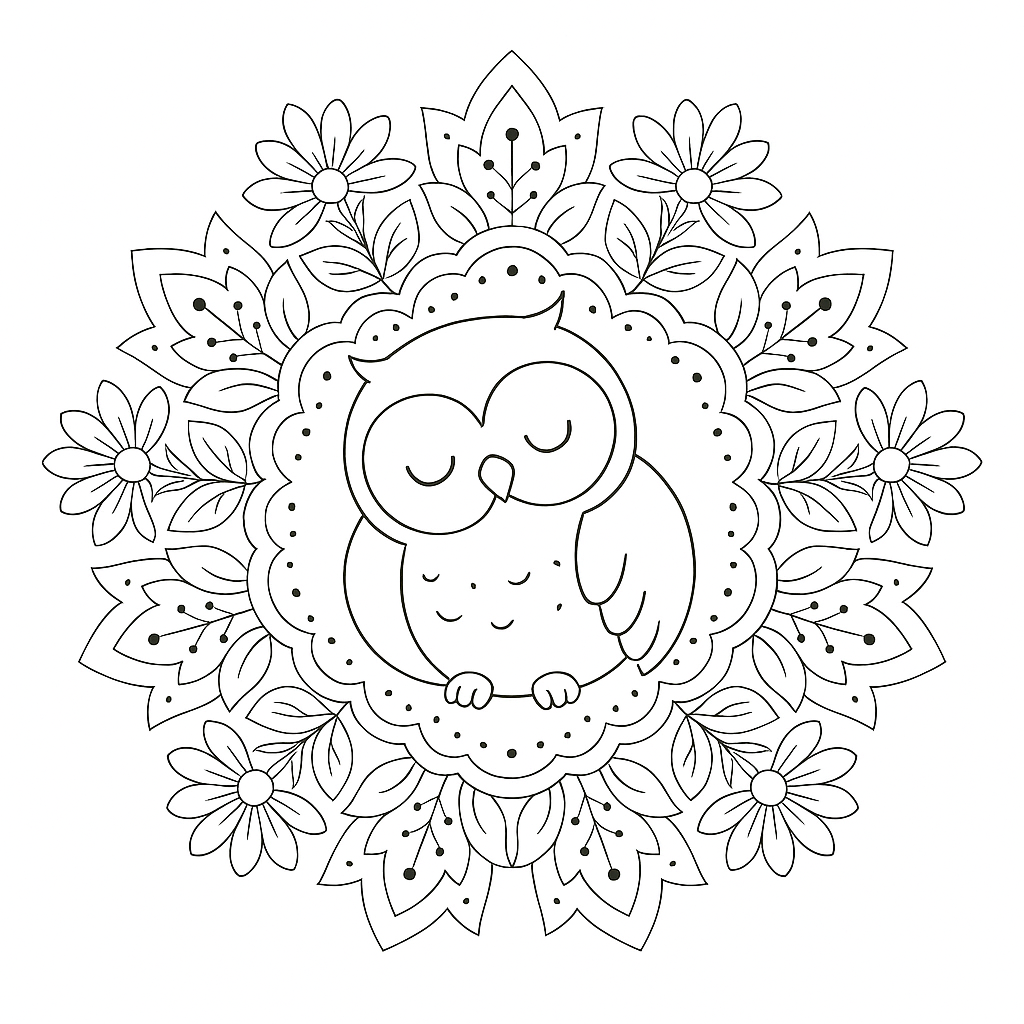
○ Traditional Themed Mandala: Painting Therapy Guidance Suggestions
This page presents a practical creative process combining "traditional patterns x mandala structure." Through a progression of center, radiating, and finally ring-shaped bands, traditional imagery such as cloud patterns, spiral patterns, and lotus petals is transformed into rhythm and order, achieving stability and focus through repetition and symmetry. Creation emphasizes physical and mental rhythm and aesthetic experience. Please respect diverse cultural contexts and refrain from offering alternative interpretations based on religion or medicine.
1. Structure and Rhythm Framework (Center → Quadrant → Outer Ring)
- Determined with a compass or round objectCenter PointWith the circumscribed circle; use light lines to divide the picture into 4/8 equal parts and establish radial axes.
- Set on each axisBreathing scale: Inhale to the small scale and exhale to the large scale (you can use a 4-4-6 or 4-6-4 rhythm).
- SureThree-layer ring belt: inner core (simple symbol), middle layer (repetition and deformation), outer layer (guard ring or petals), each layer uses only 1-2 basic line types (straight line/arc/sawtooth/dot matrix).
2. Traditional symbol vocabulary (collection → simplification → combination)
- collection3-5 elements: cloud patterns, spiral patterns, lotus petals, ruyi heads, wave patterns, thunder patterns, etc.; extract outlines from objects and architectural details.
- simplifyDefine the stroke adjectives for the "basic unit" of one or two strokes: soft/sharp, wide/thin, fast/slow.
- combinationIt is divided into two modules: radial module (from the center outward) and annular module (repeated along the circumference). After each circle is completed, a small dot is made on the axis as a rhythm mark.
3. Color and Construction Method (Color Matching → Layering → White Space)
- ColorSuggestions: Use dark blue/peacock blue, cinnabar/ochre, off-white/ivory, and dark gray as structural lines; first determine the main color 1, auxiliary color 2, and finishing color 1.
- CascadeSequence: structural lines → light-colored base → dark-colored outlines → finishing touches (small dot in the center or very fine highlights); the contrast between light and dark colors reflects order.
- White spaceIt is a "breathing zone": a narrow white ring is retained between every two circles to avoid information crowding; if small errors occur, "offset symmetry" or "secondary outlining" are used to unify them.
4. Review and Archiving (Three Lines)
Please write in the margin of your work:
- Three key words for this work (pattern/rhythm/emotion): ______/______/______
- The most stable circle and the reason: ______; The circle to be improved next time: ______
- Filing information (number-date-color): ______ (e.g., MTR-2025-08-25 – dark blue/cinnabar/off-white)
Tip: Prioritize rhythm over detail; when your attention wanders, return to your axis and breath. If you use specific cultural symbols, please credit their source and meaning, maintaining respect and understanding.
Please log in before submitting your drawings and feelings.