

Lesson 1521: An Overview of Alcohol Use Disorders
Duration:60 minutes
Topic Introduction:This course will introduce the definition, clinical manifestations, and developmental process of alcohol use disorder. It will cover key characteristics such as physical dependence, psychological addiction, and functional impairment, and guide participants to initially reflect on: What does alcohol mean to me? How does it become my way of coping with my emotions?
○ Core features of alcohol use disorder
- Difficulty controlling:Difficulty stopping or reducing drinking, even when aware of the serious consequences.
- Dependence symptoms:Withdrawal symptoms occur, tolerance develops, and drinking becomes the center of life.
- Functional impairment:Affects interpersonal relationships, work, and physical and mental health.
- Behind addiction:Alcohol is often used to mask stress, emotions, trauma, or feelings of emptiness.
▲ AI Interaction: What role does alcohol play in your life?
Alcohol use disorder is not laziness or weakness of will, but a psychological and physical dilemma that needs to be understood and helped.
Please write down three typical drinking situations in the past week, recording the situations, emotions, and thoughts at the time.
Observe the role alcohol plays in your life: is it a tool for relaxation, escape, or connection with others?
Allow yourself to be non-judgmental and simply see the facts gently, paving the way for further healing.
Conclusion: When the truth is recorded, change has a starting point.
Click the button below to chat with the AI and explore whether your drinking patterns may reflect some kind of emotional replacement behavior.
○ Overview of Alcohol Use Disorder · Music Therapy
Play a gentle guitar piece, and let the melody, like a gentle light, accompany you to see the relationship between alcohol and life. It is not just a bad habit, but the body and mind are looking for an outlet.
Please write down your most typical drinking situation over the past week: the time, place, mood, and thoughts at the time. Let the record help you see the truth.
Write down three more effects you hope to get from alcohol, such as relaxation, numbness, and social integration. Music will remind you that these needs can be met more gently.
Conclusion: When music slows your heart down, you will find that there is always room for change.
○ Oriental healing tea
Recommended drinks:Chrysanthemum & Goji Berry Tea
Recommended reasons:Chrysanthemum clears the liver and improves eyesight, while wolfberry nourishes the liver and replenishes blood. It is suitable for the recovery period after drinking, clearing internal heat, and stabilizing the nervous system.
usage:Take 6 dried chrysanthemum flowers and 10 wolfberries, brew with hot water for 5 minutes, and drink 1-2 cups daily.
○ Japanese Food Therapy, Salt-Grilled Sanma Shioyaki
Rich in DHA/EPA and protein, it helps protect your heart, lower blood lipids, and enhance mental clarity. It provides a stable, satisfying feeling without feeling heavy. Suitable for daily omega-3 supplementation, it improves mental performance and recovery after training.
Healing Recipes
/home2/lzxwhemy/public_html/arttao_org/wp-content/uploads/cookbook/sanma-shioyaki.html(Please confirm that sanma-shioyaki.html has been uploaded)🎨 Freedom Mandala Healing
Image Healing: Free Mandala Stability Guidance 01
Please gaze at the center of the mandala and maintain slow breathing. Do not think about its meaning, just look. You will find that the interplay of light and form is replacing language, helping you return to a state of tranquility.
Free Mandala contemplation is a practice of mental relaxation. It does not require understanding, but simply invites you to be present in the moment.
Free mandalas have no fixed form, allowing the artist to express themselves freely based on their emotions. There are no rules for drawing free mandalas, encouraging individuals to express their inner world, and they are often used to help with emotional release and self-awareness.

○ Suggestions for seal carving calligraphy practice
The purpose of this course is to help you improve your sense of self-control and emotional regulation through the focused carving of each stroke, and to assist in the treatment and self-management of alcohol use disorder. Depending on your needs, you can try the following methods:
- Written words:
Fine Pen and Ink · A Joy in Life
Refined Craftsmanship · A Joyful Life - Psychological Intention:
Alcohol use disorder is often accompanied by impulsivity and a desire for pleasure. Seal carving requires slow and meticulous work, cultivating patience and a sense of self-control through carving, which helps reduce dependence on immediate stimulation. - Knife skills:
Slow down your carving pace and focus on the starting and ending points of each cut and the blank spaces left. During practice, you will experience emotional stability and body rhythms, and improve your awareness of impulsive behavior. - Emotional transformation:
Transform impulsive and anxious energy into meticulous carving movements, cultivate the ability to delay gratification, strengthen inner stability and sense of accomplishment, and help with emotional self-regulation.
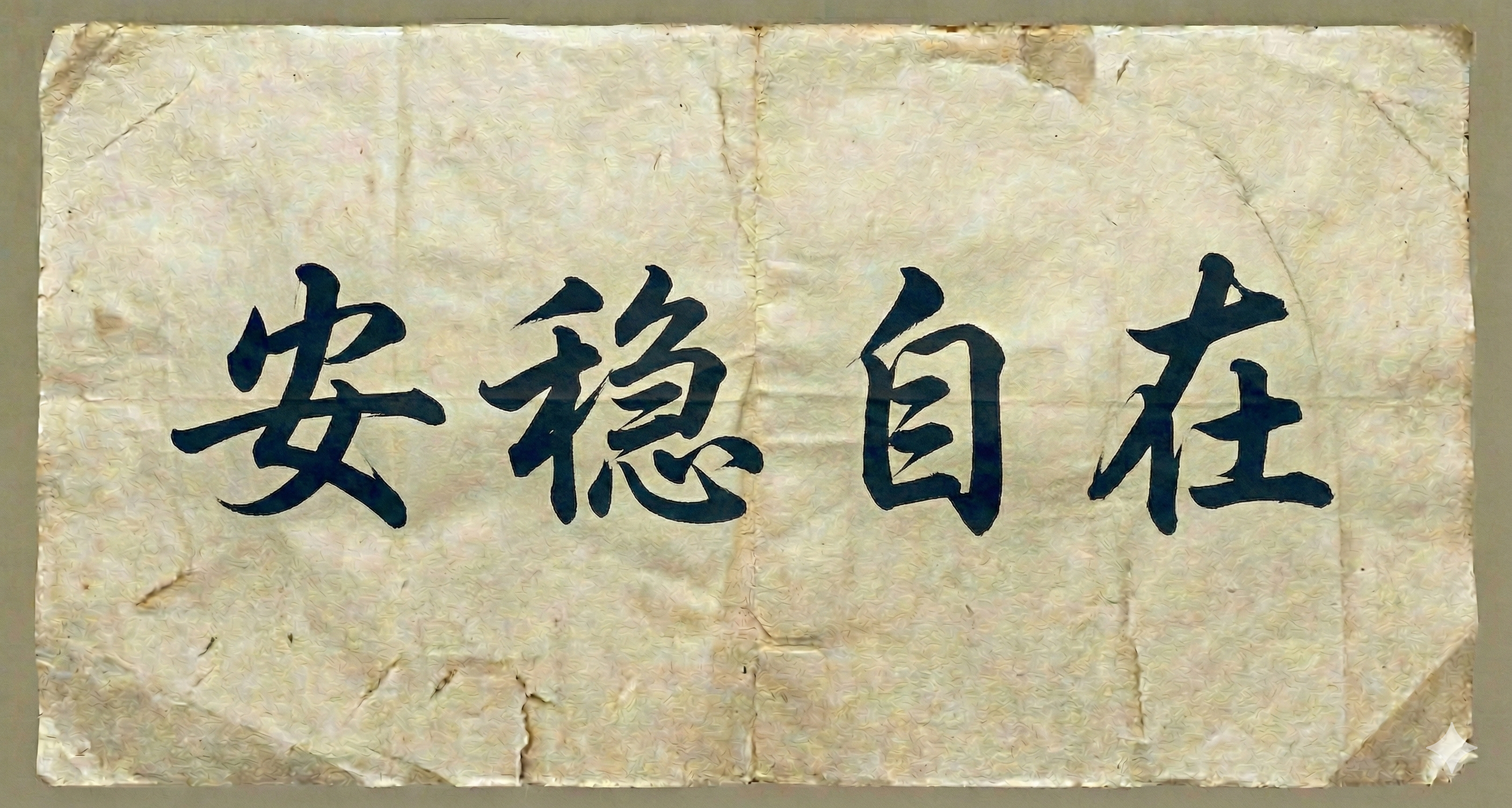
○ Overview of Alcohol Use Disorder: Suggestions for Drawing Therapy Guidance
This page uses pictures to show the characteristics of "alcohol use disorder". Its core manifestations areDifficulty controlling drinking, cravings, withdrawal symptoms, and impaired functioningThe purpose of painting is to help people externalize the relationship between drinking and life, to see the conflicts and support points, and to explore alternative behaviors in a gentle and controlled way. Painting cannot replace medical diagnosis and treatment, but only for self-awareness and expression.
1. The River of Drinking (Origin—Tributaries—Consequences)
- Draw a river running from left to right: write “Starting Point/Opportunity” (socializing, relieving stress, habitual drinking) on the left bank.
- Draw tributaries in a river:Desire(Strong desire to drink),out of control(Beyond plan),withdrawal(Headache, anxiety, sweating).
- The right bank depicts the consequences: work and school impairment, relationship conflicts, and health risks. Use different colors to indicate severity: light = mild, dark = severe.
2. Wine Glass Balance (Short-Term Relief vs. Long-Term Burden)
- Draw a scale: put "short-term effects" (relaxation, sleep aid, social courage) on the left, and "long-term consequences" (liver damage, cognitive impairment, alienation of relationships) on the right.
- Under the scale write: "Which side is heavier? How do I adjust it?"
- Draw a "green leaf" or "water cup" on the right side of the plate to symbolize alternative ways (exercise, breathing, tea, social support).
Tip: Alcohol use disorder involves multiple medical and psychological interventions. If severe withdrawal symptoms (such as seizures, hallucinations, and confusion) occur, seek medical attention immediately. Drawing exercises can serve as a self-observation and communication tool, helping to record drinking patterns and replacement strategies.
Please log in before submitting your drawings and feelings.
○ 1521. Overview of Alcohol Use Disorder • Journaling Recommendations
1. Gentle perspective: View "out-of-control drinking" as a difficult situation that can be understood and helped, rather than a character flaw. Write down your original intention and expectations for your decision to record and change.
② Describe the truth: Recall your drinking scenes in the past two weeks (three times), record the time, place, amount of drinking, mood and companions, so that the problem can be clearer from vagueness.
③ Functional impact: Give an example of the specific impact on study/work/relationships/sleep. No judgment, just a truthful description to help you find the priority adjustment direction.
④ Trigger identification: Write down the three situations that most often push you towards alcohol (stress, partying, loneliness), and note for each one “what you could have done earlier.”
Please log in to use.
Being awake is not only a state, but also a choice - a choice to stop escaping and to live truly.
 EN
EN  ZH
ZH  ES
ES  FR
FR  JA
JA