

Lesson 1522: Symptoms and Manifestations of Alcohol Dependence
Duration:65 minutes
Topic Introduction:This course will analyze the clinical manifestations of alcohol dependence, including the psychological, behavioral, and physiological aspects of addiction. Participants will learn to identify early symptoms and signs of aggravation, building a foundation for self-observation and awareness, preparing for further intervention and recovery.
○ Common manifestations of alcohol dependence
- Psychological dependence:Drinking becomes the preferred way to relieve emotions and stress.
- Improved tolerance:A larger amount is needed to achieve the same effect.
- Withdrawal symptoms:After stopping drinking, reactions such as sweating, tremors, anxiety, and insomnia may occur.
- Life is damaged:Drinking affects work, interpersonal relationships and physical health, but it is still difficult to quit.
▲ AI Interaction: Do you feel that alcohol has affected your life?
Alcohol dependence is often manifested by intense cravings, withdrawal discomfort, increased tolerance, and difficulty in control.
Please write down the three times today when you most wanted to drink, and how you felt physically and mentally at that time.
Try giving these cravings gentle names, like “waves in my heart,” to remind yourself that they will come and go.
Record a time when you successfully delayed or reduced your drinking and write about how you did it.
Conclusion: When symptoms are clearly described, they no longer have complete control over you.
Click the button below to work with AI to identify if you've entered dependency mode and explore the first steps you can take to change.
○ Symptoms and manifestations of alcohol dependence · Music therapy
Play some steady piano music and allow yourself to quietly feel your body and emotions. Alcohol dependence is often manifested by cravings, withdrawal discomfort, and increased tolerance.
Write down the three times today when you felt most craving a drink, and what triggered it. Music can help you observe more tenderly, rather than judging too quickly.
Give these cravings a name, such as "inner waves," to remind yourself that waves will rise and fall, but they will eventually subside.
Conclusion: Let melody be your anchor, helping you find a safe reef amidst the waves.
○ Oriental healing tea
Recommended drinks:Licorice & Ginger Tea
Recommended reasons:Licorice harmonizes the spleen and stomach, and ginger dispels cold and boosts yang, which helps to relieve gastrointestinal coldness, anxiety and tension in the early stages of quitting alcohol.
usage:Take 3 slices of licorice and 3 slices of ginger, brew with hot water for 10 minutes, and drink warm before or after meals.
○ Japanese Food Therapy, Teriyaki Eel (Unagi Kabayaki)
Rich in high-quality protein and omega-3s, it supports cardiovascular and mood homeostasis. Vitamins A and B complex work synergistically to support vision and physical recovery. Filling yet not greasy, it's ideal as a high-energy main course after intense focus or training.
Healing Recipes
/home2/lzxwhemy/public_html/arttao_org/wp-content/uploads/cookbook/unagi-kabayaki.html(Please confirm that unagi-kabayaki.html has been uploaded)🎨 Freedom Mandala Healing
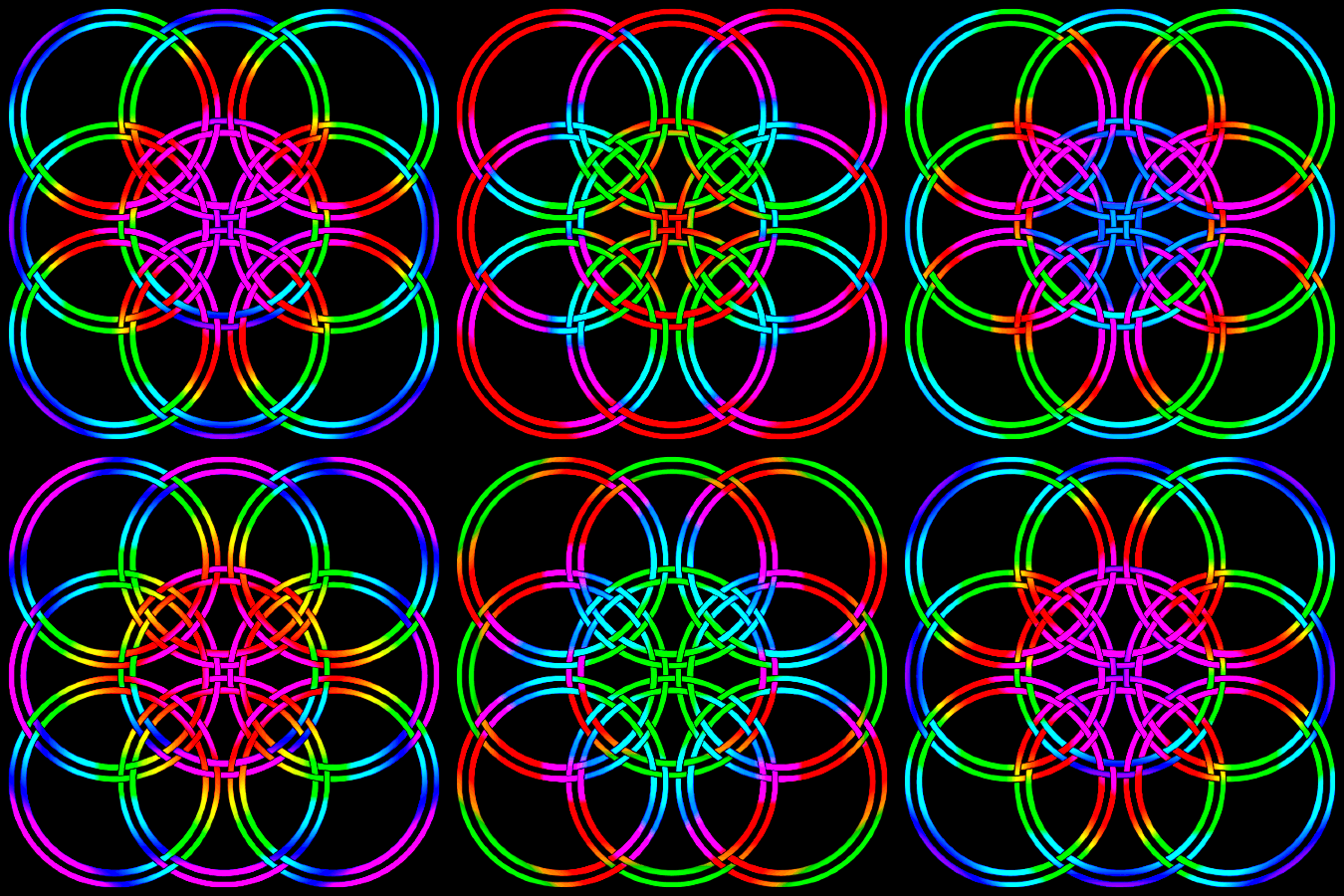
Image Healing: Free Mandala Stability Guidance 02
Let your gaze wander gently among the colors of the mandala. Don't follow logic, just feel the rhythm. The breath of the colors will guide your emotions from tension to balance.
When you stop trying to control it, the fluidity of the image will naturally bring peace.
Free mandalas have no fixed form, allowing the artist to express themselves freely based on their emotions. There are no rules for drawing free mandalas, encouraging individuals to express their inner world, and they are often used to help with emotional release and self-awareness.
○ Suggestions for seal carving calligraphy practice
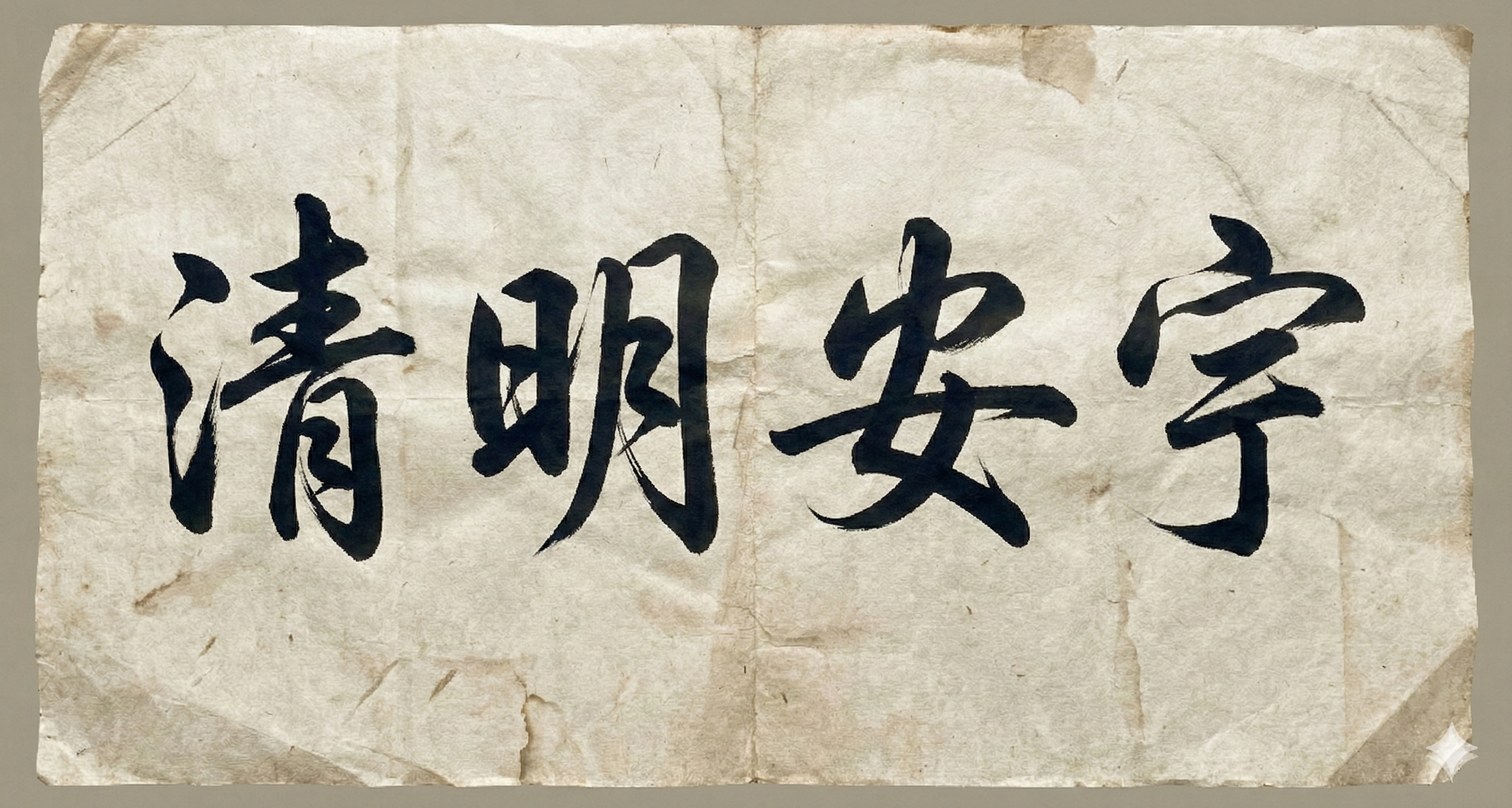
The purpose of this course is to help you improve your sense of self-control and emotional regulation through focused, every-stroke carving. This can help you manage the symptoms of alcohol dependence and help you recover from it. Depending on your needs, you can try the following methods:
- Introduction to the characteristics of seal carving:
Seal carving emphasizes meticulous composition and balanced composition, employing a blend of square and round strokes, creating a harmonious interplay of solid and void. Each stroke incorporates a sense of rhythm and concentration, helping to mitigate impulsive behavior, enhance patience, and cultivate emotional stability. This slow and meticulous process can help restore inner order and strengthen a sense of control over emotions and behavior. - Written words:
Living in the city, but thinking about the mountains
Living in the City · Longing for the Forest - Psychological Intention:
Alcohol dependence is often accompanied by internal escape and environmental pressure. When writing "Living in the City, My Heart in the Mountains," the process of carving helps rebuild a stable inner space, reducing dependence on external stimuli and awakening an inner sense of nature and belonging. - Knife skills:
Slow down the pace while carving and carefully observe every pause and turn of the blade. By perceiving details, you can train your awareness, improve your focus in the present moment, strengthen your self-control, and reduce impulsive behavior. - Emotional transformation:
Transform anxiety and restlessness into fine carving movements and experience the restoration of your inner rhythm. Through the steady movement of each stroke, you can train your inner rhythm, promote emotional balance, and help alleviate the emotional distress caused by alcohol dependence.
○ Symptoms and manifestations of alcohol dependence: Suggestions for guidance on painting therapy
This page makes a visual record of typical manifestations for easy identificationCraving, tolerance, withdrawal, uncontrolled drinking, and functional impairmentDrawing is used for awareness and communication, not as a substitute for medical diagnosis and treatment.
1. Desire Radar (Intensity - Frequency - Trigger - Duration)
- Draw a four-axis radar chart: craving intensity, frequency of occurrence, number of triggers (situations/emotions/people), and duration. Use this week's average to plot the current curve.
- Make a “common trigger list” next to the radar: after get off work, socializing, insomnia, stress, loneliness, etc.; connect to the radar with small dots.
- Draw another "goal curve" (smaller and more balanced overall) and mark a controllable action (such as fixing alternative drinks or taking a 10-minute walk first).
2. Tolerance and Withdrawal Scale (Change in Drinking Volume × Physical Response)
- Draw two parallel scales: the upper "drinking scale" (from less to more in the past three months) and the lower "physical reaction scale".
- Mark the "physical reactions": hand tremors, sweating, anxiety, palpitations, nausea, insomnia, the urge to "sober up" in the morning, etc.; align them with the corresponding drink amounts with vertical lines.
- Different line types are used to distinguish between "increased tolerance" (needing more alcohol to feel the effects) and "withdrawal" (discomfort after stopping drinking), helping to determine the level of risk.
3. Functional Impact Four Grids (Work/Study, Sleep, Relationships, Health and Safety)
- Draw four squares, record the specific situation and duration of the most recent impact, and score the degree of impact from 0 to 10.
- List "high-risk behaviors" in the "Health and Safety" column: driving under the influence of alcohol, falling and getting injured, taking drugs together, etc.; draw a mark each time it occurs.
- Write a micro-action at the bottom of each box (e.g., “Change to non-alcoholic beverages in the evening,” “Agree with family on a return home time,” “Turn off the screen 30 minutes before bed”).
4. Out-of-control cycle diagram (plan → over-deliver → regret → compensation)
- Draw a circle with four segments: plan a small amount → drink too much on the spot → regret/physical discomfort the next day → "compensate" by drinking again or avoiding; use arrows to form a loop.
- Draw an "interception gate" on each arrow: pre-set quantity and alternative plan, leaving/changing table, asking for help from teammates, regular review the next day and hydration exercise.
- The axis that stands out in this week's Craving Radar is: ______; an alternative action I'm planning to try is: ______
- The one point of alignment on the tolerance/withdrawal scale that alerts me is: ______; the safety steps I will take are: ______
- My micro-action today in the function box is: ______; physical feeling score after completion (0-10): ______
Tip: If you experience severe withdrawal symptoms (confusion, convulsions, hallucinations, high fever/significantly abnormal heart rate, etc.), seek medical attention immediately. Keep this page handy to discuss with your doctor or psychologist when withdrawal symptoms become more pronounced and what methods are most effective.
Please log in before submitting your drawings and feelings.
○ 1522. Symptoms and Manifestations of Alcohol Dependence • Journal-Guided Suggestions
① Symptom Checklist: Cravings, increased tolerance, withdrawal discomfort, loss of control, and substituting alcohol for activities. Circle the three that best describe you.
② One-day review: Record the moment you first wanted to drink, the intensity (1-5), how long it lasted, and whether the shift was successful. This helps you train your awareness rather than suppressing it.
③ Physical signals: Write down your physical sensations during withdrawal or overdose (palpitations, sweating, nausea, poor sleep). If any danger signs appear, please seek medical attention as soon as possible.
④ Cost Inventory: List the things you missed or were affected by drinking, and gently write down the parts you tried your best at that time to reduce the energy consumption of self-blame.
⑤ Stabilizing sentences: Prepare three self-soothing and delaying sentences, such as “Thirst is like a wave, it will pass” and “I will drink some water and walk for five minutes first.”
⑥ Record of small victories: Write down the experience and methods of successfully postponing or reducing a task, mark the key points that can be replicated, and continue tomorrow.
⑦ Conclusion: Symptoms are signals. The earlier you identify them, the more options you have.
Please log in to use.
Every time you choose to see yourself clearly, you are creating a world that is no longer dependent.
 EN
EN  ZH
ZH  ES
ES  FR
FR  JA
JA